Skip to content
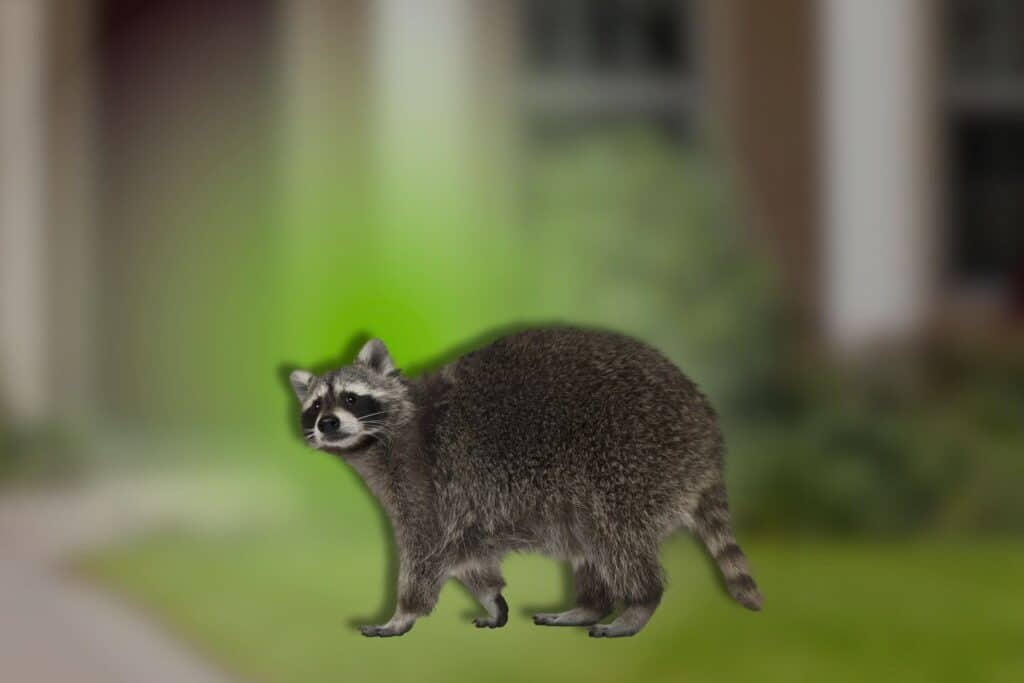
If you notice strange droppings near your deck, attic, or crawl space, you may wonder if they came from a raccoon. Raccoons are common in Georgia and Florida, and their poop can carry serious health risks if handled the wrong way.
Spotting raccoon poop early helps you stop the spread of germs and protect your family and pets, and it may signal the need for a professional raccoon removal service in Georgia.
Raccoons often use the same latrines, or bathroom spots. These areas can build up piles of poop that spread parasites like raccoon roundworm and bacteria that cause leptospirosis. Knowing how to clean these areas safely helps lower health risks for everyone around you.
This guide explains how to spot raccoon poop, the diseases it can spread, where raccoons leave latrines, and how to clean those areas safely.
Key Takeaways:
- Raccoon poop is dark, tubular, and often contains bits of undigested food.
- It carries health risks, including raccoon roundworm and leptospirosis.
- Raccoons use designated latrines in attics, woodpiles, or flat surfaces.
- Always wear disposable gloves and a respirator, and follow cleanup safety procedures.
Video Guide: How Do You Identify A Raccoon?
This short video explains raccoon behavior and the early signs of activity. You will learn how to tell raccoon tracks, sounds, and droppings apart from other wildlife before problems grow.
What Does Raccoon Poop Look Like?
To many people, raccoon poop can look like small dog poop. Raccoon poop is usually dark brown or black, about 2 to 3 inches long, and often shows berries, seeds, or other food pieces.
Because raccoons eat many foods, their poop may be soft or firm, but it often breaks apart easily. You may notice shiny seeds, insect shells, or plant parts mixed in.
Raccoon poop often appears in piles instead of being spread out like other animal droppings from scavengers such as skunks or opossums. These piles form at raccoon latrine sites that raccoons may use night after night. In Georgia, raccoons often use roofs, decks, attics, and areas near woodpiles as latrines.
If you see poop with visible food particles in the same spot, a raccoon is likely responsible.
Where Raccoons Leave Their Latrines
Raccoons often return to the same latrine spots. Common latrine sites include crawl spaces, attics, garages, and areas under decks that are dry, flat, and hidden.
You may also find raccoon poop on large rocks, fallen trees, or near outdoor pet food. These animals choose places close to food and shelter.
Raccoon latrines can quickly build up layers of feces and urine, making them unsafe to touch without proper protection. In suburban areas such as Sandy Springs or Alpharetta, these animals often establish latrines near food sources, including trash bins and compost piles.
Some homeowners try to clean these areas themselves, but this is often unsafe without proper training and equipment.
Health Risks Linked to Raccoon Feces
Handling raccoon poop without proper care can expose you to several serious diseases and pose a public health concern.
The most dangerous of these diseases is raccoon roundworm (Baylisascaris procyonis). These roundworm eggs can infect humans if accidentally ingested or inhaled, causing severe damage to the central nervous system.
Raccoon droppings can also carry leptospirosis, a bacterial infection spread through raccoon urine that can lead to kidney or liver problems. Children and small dogs are at the highest risk because they may touch or sniff contaminated areas.
Because of these health risks, you should never sweep, vacuum, or pressure-wash raccoon feces without proper safety gear. Professional wildlife removal services thoroughly disinfect the area and exclude raccoons from your property.
How to Clean Up Raccoon Droppings Safely
If you must clean up raccoon poop, wear disposable gloves, boots, and a respirator. Do not touch the droppings with your bare hands.
Lightly mist the area with boiling water or a disinfectant to prevent dust from spreading. Carefully scoop the poop into a plastic bag, seal it tightly, and place it inside a second bag before disposing of it.
After removing the droppings, disinfect the surface with a strong cleaner or boiling water to kill any remaining roundworm eggs. If you find droppings in crawl spaces or attics, replace contaminated insulation to remove lingering odor and bacteria.
These steps are critical, but they only address part of the problem. Professional wildlife removal focuses on both cleanup and exclusion to get rid of raccoons fast and permanently.
This process can be risky without proper training. Even though some online DIY guides exist, they often skip safety steps or fail to account for hidden contamination. Hiring trained wildlife professionals helps complete the cleanup, ensure proper sanitization, and implement long-term prevention.
Preventing Future Raccoon Activity
Once cleanup is complete, focus on preventing another infestation. Raccoons often return to the same sites unless you remove their food source and block entry points. Secure trash cans, remove pet food at night, and seal all gaps that lead into your attic or crawl spaces.
Our team usesintegrated pest management methods for raccoons, which include exclusion practices and habitat modification. This approach focuses on long-term prevention by removing attractants and making your property less appealing to wildlife.
Sealing entry holes, installing vent covers, and trimming branches near the roof are essential to keep raccoons out. In areas like Atlanta and Roswell, raccoons are active year-round. Regular wildlife inspections and exclusion work help protect homes from repeat problems.
If you continue to see droppings or hear noises in your attic, contact a wildlife control professional before the problem worsens and poses a health risk.
Making the Right Wildlife Control Choice for Your Georgia Home
Understanding what raccoon poop looks like is the first step in protecting your home from wild animals. Their feces may seem harmless, but the diseases and contamination they spread can endanger your family’s health. Safe cleanup and professional wildlife removal are the most effective ways to get rid of raccoons for good.
At Nextgen Pest Solutions, we offer expert raccoon removal, cleanup, and exclusion throughout North Georgia and the Tampa Bay area.
Contact us today for safe and thorough wildlife control you can trust.
FAQs
What should I do if I find raccoon feces in my attic in Atlanta?
If you find raccoon feces in your attic, avoid disturbing them. Call a wildlife removal expert in Atlanta to handle the cleanup safely. They’ll disinfect the space and seal any entry points to prevent re-entry.
Can raccoon roundworm spread to pets in Roswell?
Yes. Pets can accidentally ingest roundworm eggs from raccoon droppings outdoors. If you suspect exposure, contact your vet immediately and schedule professional cleanup from a Roswell wildlife control company.
How do I keep raccoons from using my crawl space as a latrine in Alpharetta?
Seal all crawl space openings, remove nearby pet food, and keep trash lids secure. Regular wildlife inspections by a trusted Alpharetta pest control team can prevent raccoons from settling in.