Skip to content
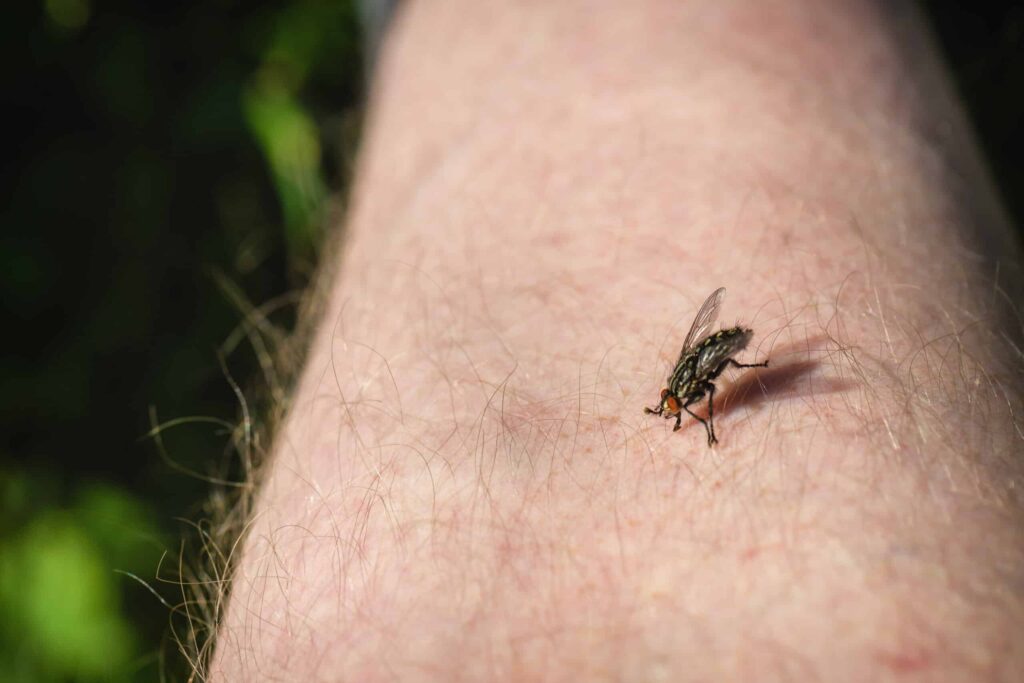
Oh, the complexities of nature! As we explore the topic of fly bites, it’s important to clarify that not every insect capable of flight is actually a fly. True flies, which belong to the order Diptera, include common house flies, stable flies, mosquitoes, and no-see-ums—all insects capable of biting and causing irritation. Interestingly, mosquitoes and the tiny fruit flies buzzing around your overripe bananas are indeed flies, while butterflies and dragonflies are not. A helpful way to tell is by the name: if “fly” is part of a single word (like butterfly or dragonfly), it’s typically not a true fly, a distinction often discussed by pest management specialists in Atlanta.
Worldwide, there are approximately 120,000 different species of flies that have been named. True flies belong to the order Diptera, derived from Greek meaning “two wings.” Only insects with one pair of wings (two total) are considered true flies. Instead of a second wing pair, they have a balancing organ called halteres, which help them stay oriented during flight. Most flies have sponge-like mouthparts used to soak up nectar or decaying matter, though some flies do bite. Flies go through complete metamorphosis: they begin as eggs, hatch into larvae (maggots), pupate, and emerge as adults. They have compound eyes and can have long antennae (like mosquitoes) or short ones (like house flies).
Flies are found across the globe and are remarkably diverse. Beyond the familiar black house fly, some species mimic bees, and others are vibrantly colored. Many flies play useful roles in ecosystems. Maggots break down dead animals and waste, while certain parasitic flies help gardeners and farmers by preying on harmful crop pests.
Do Flies Bite Humans?
While most flies are harmless—and even beneficial—a few species require a blood meal to reproduce. Among these, mosquitoes are the most infamous and dangerous, transmitting diseases that kill roughly 1 million people annually.
Though mosquitoes and no-see-ums are true flies, we won’t cover them here. You can read about them in our [gnat bites article].
This article focuses on other types of flies that bite, including:
- Black flies
- Deer flies
- Horse flies
- Yellow flies
- Stable flies
- Sand flies
These insects do more than cause painful bites—they can also transmit illnesses like malaria, leishmaniasis, river blindness, and tularemia.
Why Do Fly Bites Hurt?
Flies that bite have different mouthparts than non-biting flies. For instance, the common house fly, which does not bite, can only consume food in its liquid form. It is drawn to moist organic matter like decomposing meat or feces. If food is too solid, the house fly regurgitates enzymes to dissolve it before feeding.
Biting flies, however, have sharp, piercing tools. Mosquitoes, for example, use a needle-like proboscis made of six tiny parts called stylets. These parts saw into the skin, hold the fly steady, draw blood, and inject saliva to prevent clotting. This saliva causes the itchiness and swelling associated with fly bites. Horse flies and deer flies also have serrated mandibles that can create painful, bleeding wounds.
Clearwater and Biting Flies Locals in Clearwater, FL sometimes refer to seasonal fly surges—especially stable flies and deer flies—as a kind of “wolfpack” due to how aggressively they swarm. If you’re hiking, fishing, or working near water, wear protective gear and insect repellent. Keep an eye out for:
- Painful bites behind the knees or elbows
- Small pools of blood or welts
- Persistent swelling in clusters of bites
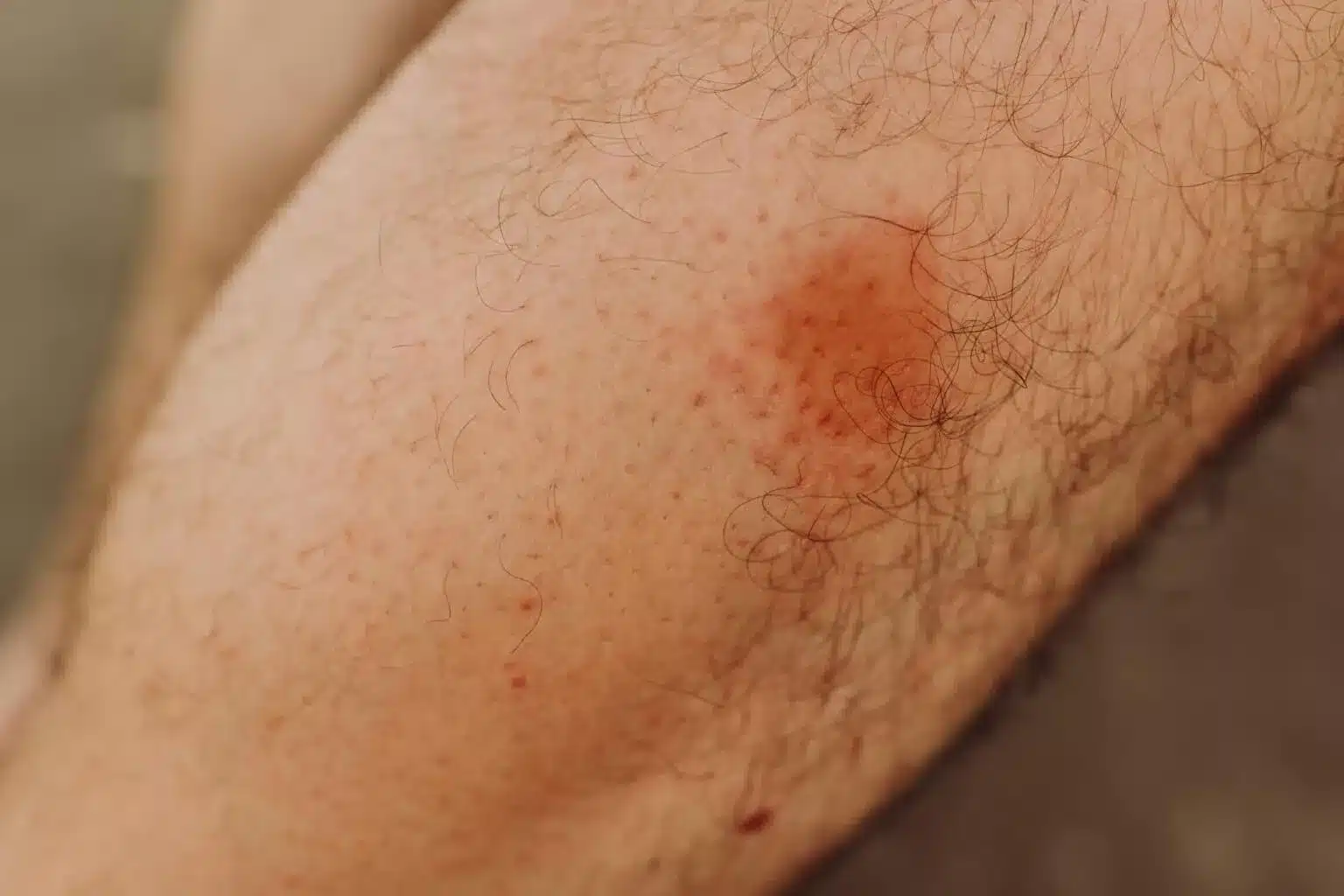
What Does a Fly Bite Look Like?
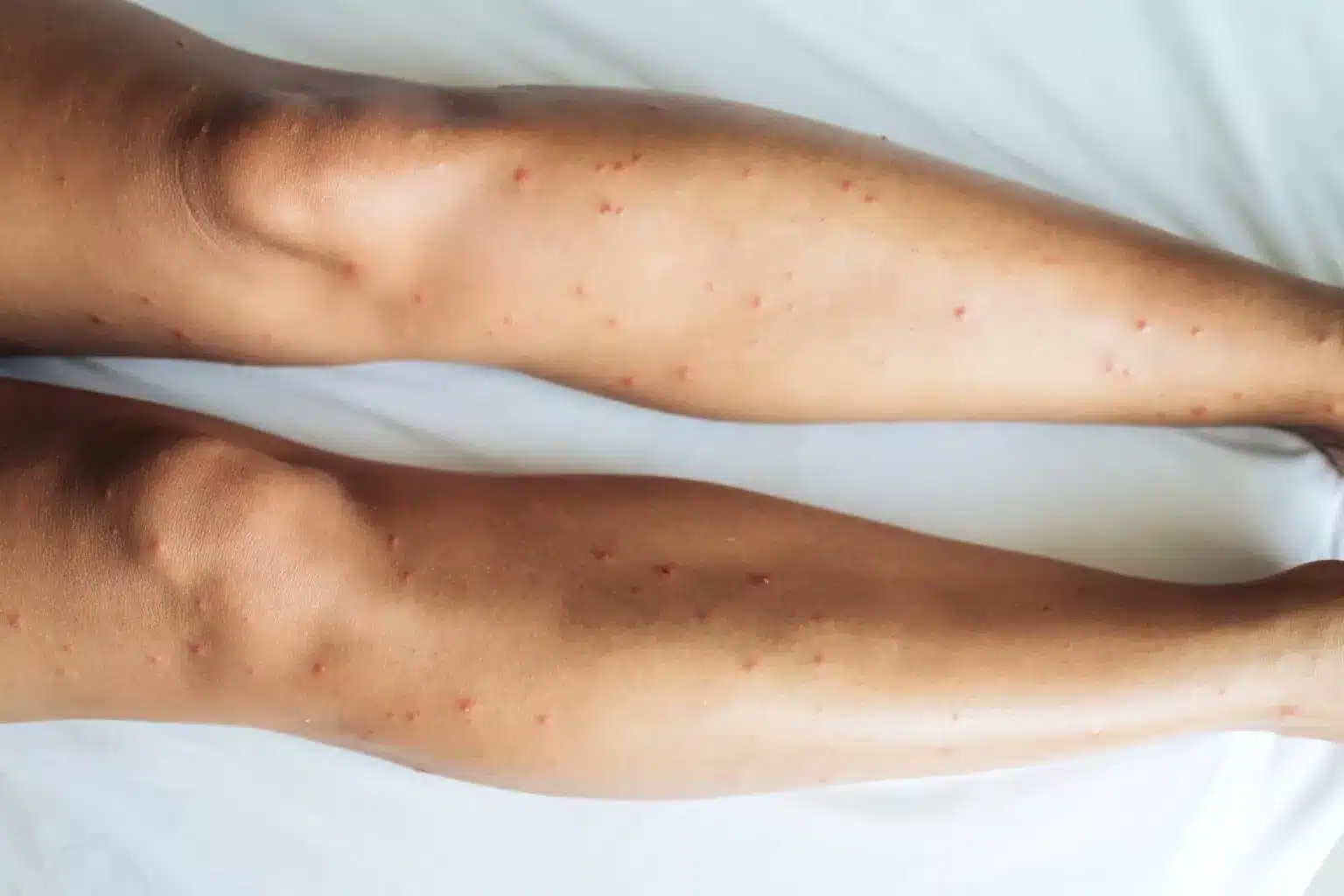
Fly bites on humans vary in appearance depending on the species. Some may leave tiny red bumps, while others result in swollen welts, bruises, or painful sores. Biting flies like deer flies, horse flies, and yellow flies are most likely to cause immediate stinging pain and lingering swelling.
Preventing Fly Bites in Florida’s Coastal Cities
Want to prevent yellow fly bites or avoid other biting flies while living or vacationing in West Palm Beach or Clearwater? Start by:
- Wearing long sleeves and pants
- Choosing light-colored clothing
- Applying DEET or picaridin repellents
- Using mosquito nets or hats with mesh
- Avoiding peak biting times (dusk/dawn)
- Steering clear of wooded or marshy areas in fly season
How to Treat Fly Bites
Most fly bites resolve on their own with basic care:
- Wash the bite with soap and water
- Apply a cold compress
- Use hydrocortisone or calamine lotion to reduce itching
- Take ibuprofen to reduce swelling or pain
Avoid scratching—it increases the risk of infection. If you experience dizziness, nausea, or severe swelling, seek medical attention immediately. Allergic reactions to fly saliva, while rare, can occur.
Fly Bites in West Palm Beach and Clearwater: Common Biting Flies
In areas like West Palm Beach, Clearwater, and surrounding parts of Florida, residents often deal with:
- Horse flies near water or open spaces
- Yellow flies during hot, humid months
- Stable flies around yards or pets
- Deer flies in shaded, wooded areas
If you’re in Clearwater or West Palm and frequently spend time outdoors, being able to recognize what does a fly bite look like could help you prevent further irritation or exposure.
Horse Fly Bites
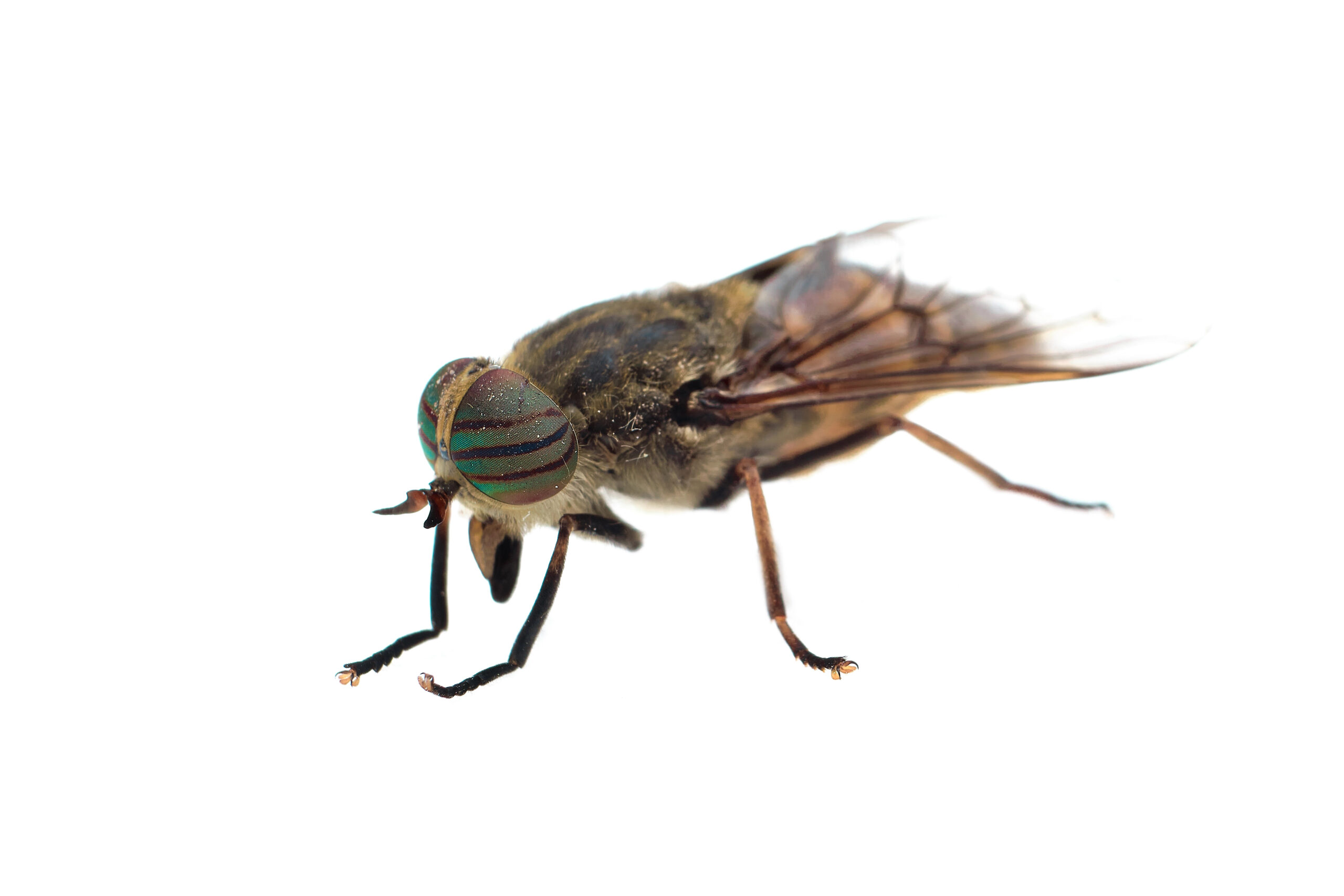
Horse flies are often found in similar environments as the deer fly discussed above, but they are easily distinguished by their gargantuan size. Adult horse flies are approximately twice the size of deer flies, and their bites are extremely painful. On average, horse flies are about ½” in length, whereas a common house fly is usually about 6mm in length! These large biting flies are dark brown to black with green or black eyes. Upon initially seeing the fly, if you are in awe of its large size, it is probably a horse fly. Just know, as its body is larger than an average fly, so are its mouthparts. Horse flies bite using scissor-shaped mandibles with which they cut into your skin. Their mouths are also equipped with hooks that enable them to remain attached to you as they lap up your spilled blood. As you can imagine, the horse fly bite is extremely painful. Horse flies are also hardy and persistent. A simple swat or mild squishing will not deter a horse fly in need of blood.
Like other tabanids, the horse fly is a common nuisance pest in the wooded areas near bodies of water. Many areas of Georgia and Florida are blessed with an abundance of these natural peaceful areas. Horse fly populations are highest between May and September. The female horse fly lays her eggs either on branches or trees overhanging water or near the water. When they hatch, the horse fly larvae live in the water, feeding upon the organic matter found within the mud of the lake or pond. Most species of horse flies actually spend the winter as larvae and pupate in the spring. For many species of horse flies, the life cycle takes about a year, and the adult only lives for a month or two.
Attempting to take full advantage of their short life, horse flies mate shortly after emerging as adults. The female then begins her search for a blood meal. Without a proper blood meal, her eggs will not be viable. Horse flies are a particular scourge for horses, but they will readily bite humans and most other mammals, including dogs. Horse flies attack and are known to even pursue mammals that are dark in color or wearing dark colored clothing. Horse flies are strong fliers and are persistent in their pursuit of blood.
While exceedingly painful, horse fly bites are generally not dangerous for humans. However, horse flies can be dangerous to horses. Horse fly bites spread equine infectious anemia, or swamp fever, to horses. This serious disease, transmitted by the horse fly, can cause grave illness and even death in horses. In areas with extremely high numbers of horse flies, livestock herds have been known to lose dangerous amounts of blood, which can weaken and kill them.
Human reactions to horse fly bites vary, but the inevitable result of such a bite is intense, immediate pain. You will immediately feel this bite and likely swat, hit, and otherwise move heaven and earth to dislodge this pest from your body. The site of the bite will usually turn red and swell. Experts recommend washing the site of the horse fly bite and applying ice if practicable. Although painful, horse fly bites are unlikely to result in a serious illness and usually take a few days for the symptoms to alleviate. Other possible symptoms of a horse fly bite include a rash, dizziness, weakness, and rarely, swelling of the lips or eyes. If the horse fly bite is scratched, opened, and dirt allowed to enter and fester inside, infection is always a possibility. If you notice any symptoms of anaphylactic reaction or infection, seek medical treatment immediately.
Stable Fly Bites
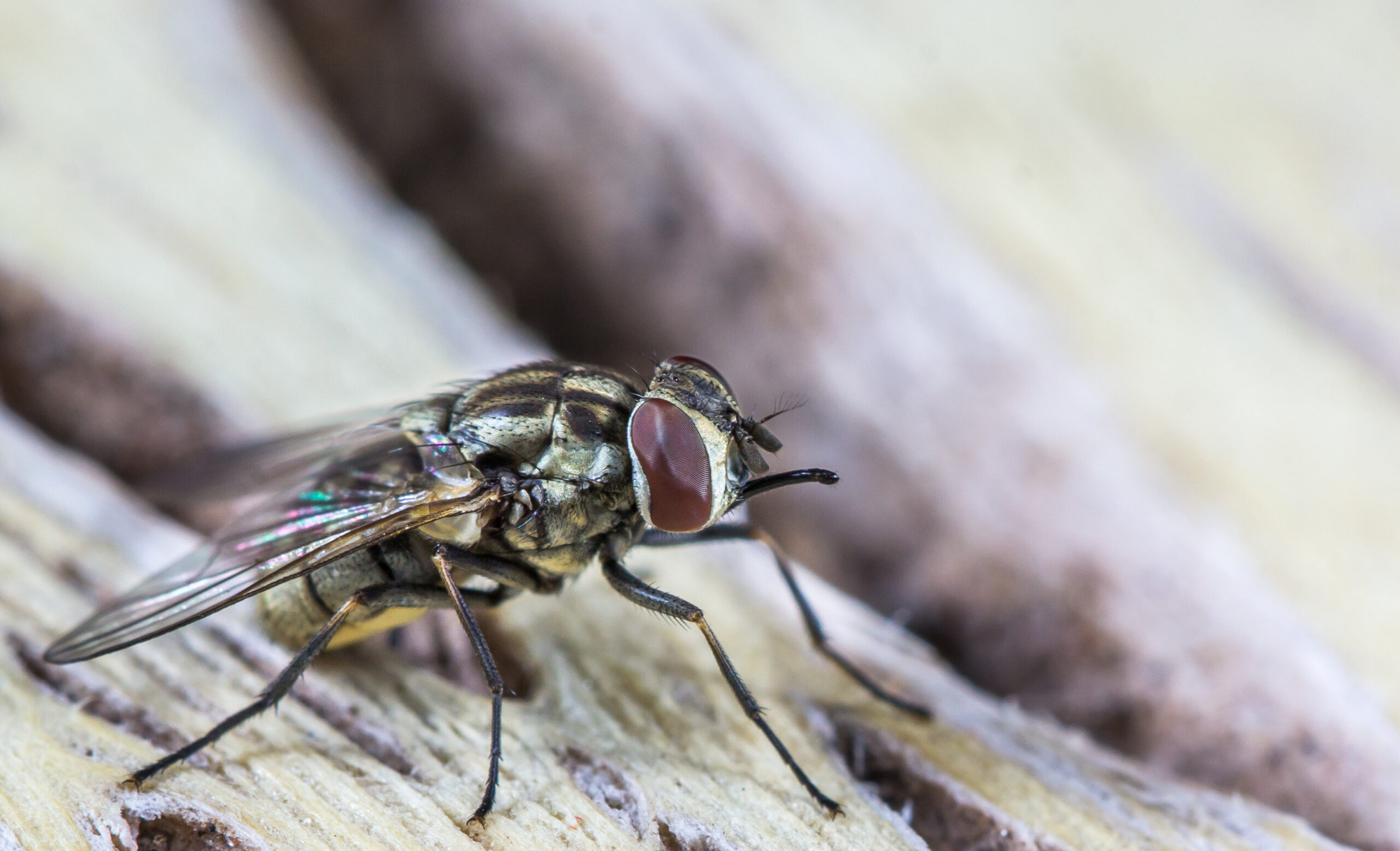
Stable flies are a filth-breeding fly that bites. Visually, they look similar to a common house fly, but rather than landing on your BBQ or burger, they seek a blood meal. Stable flies are common in and around stables because the organic matter (animal feces) is the perfect environment in which to lay their eggs. Other common names for the stable fly are the dog fly, because of its affinity for biting dogs, and the biting house fly, because it looks so much like a house fly.
Because stable flies are generally found in barns where cattle blood is plentiful, they rarely bite humans. A study of flies collected on equine facilities in Florida found that only 24.3% of the flies captured on horse farms had fed on horses; 64.6% had fed on cattle, 9.5% had fed on humans and 1.6% had fed on dogs. Stable flies are strong fliers and can be found miles away from the stable into which they were born. In Florida, stable flies commonly bite beachgoers at the idyllic panhandle beaches. Do not put your guard down; stable flies can and will bite humans if the need arises, but generally, horses and cows are most at risk.
Stable flies are unique in that both male and female stable flies bite and consume blood, but the females require the protein found in blood for proper egg development. To get a full meal, stable flies remain attached to cattle for approximately 5 minutes; humans are not ideal hosts for stable flies as we do not allow for this persistent feeding. In humans, stable fly bites are less painful than the bites of horse flies or deer flies. Stable fly bites will cause an initial pinching or pin-prick feeling but nothing like the intense burning of a horse fly bite. Stable flies tend to bite animals on their legs and under their bellies, and as such, humans usually are bitten on their legs and behind the knees. Stable fly bites are less likely than other fly bites to become red, swollen, and irritated and trigger allergic reactions.
Large numbers of stable flies can be highly problematic in agricultural settings and zoos. Stable flies are aggressive, and when populations are high, they can weaken animals and cause illness. While not necessarily a threat to humans, stable flies spread diseases and the wounds they cause can become infected.
As with most filth-breeding flies, the best stable fly control methods involve removing the breeding location. By reducing moist organic matter around the farm and animals, you can disrupt the stable fly life cycle. This may involve altering the procedure for dealing with manure, hay, and animal bedding. All of these areas are potential stable fly breeding locations. If the stable fly eggs are removed before they hatch, the fly population will exponentially decrease.
Sand Fly Bites
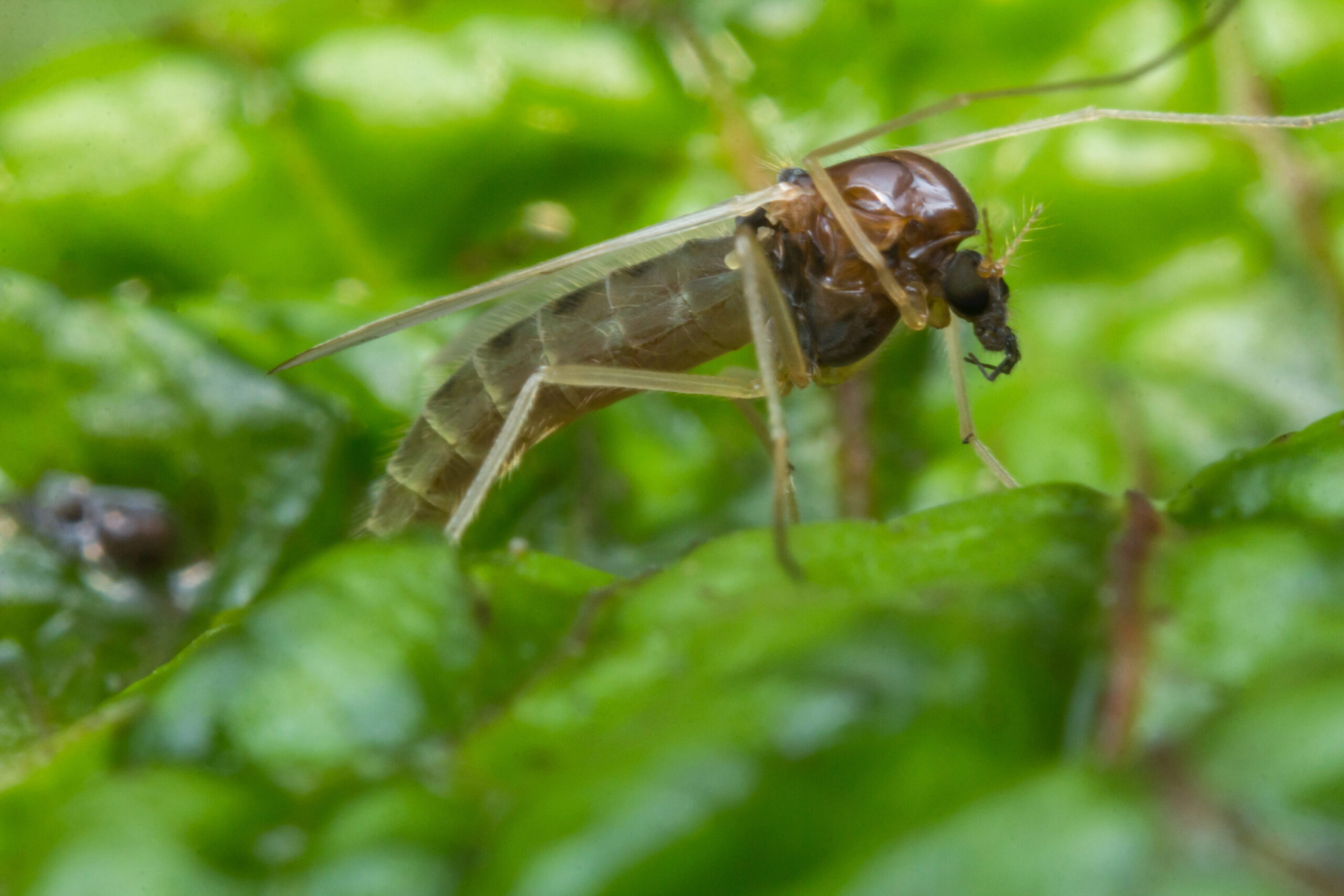
Sand flies are small, light-colored flies. They are usually about 3mm in length and range in color from tan, golden to light brown. They have almost a moth-like appearance with hairy wings that make the shape of a V when they are at rest. They have exaggeratedly long legs and long piercing mouthparts, which they use to suck the blood of their host. As with all of the biting flies we have discussed here, the female sand fly must procure a blood meal to lay successful eggs. Sand flies feed a variety of mammals, including the following: deer, horses, racoons, rodents, cattle, horses, birds, and of course, humans.
The bite of a sand fly is painful and may cause redness, irritation, swelling, and itchiness. In many parts of the world, particularly parts of the Middle East and northern Africa, the bite of the sand fly is much more serious than a minor skin irritation. Although not considered established in the United States, the dreadful disease, Leishmaniasis, is contracted via the bite of the sand fly. Cutaneous Leishmaniasis causes large skin sores and ulcers. Often, these ulcers on the skin scab over and get crusty, and infection of the affected area is a primary concern. The CDC estimates there are over 1.2 million cases of cutaneous Leishmaniasis yearly worldwide. When diagnosed in the United States, the disease can usually be traced to foreign travel. It is especially common in military personnel who have served in the Middle East.
The irritation that accompanies a sand fly bite in the United States can be treated with over-the-counter first aid type treatments. Thankfully, in the United States sand flies are little more than an irritation, but should you experience sand fly bites while on vacation in Costa Rica or while on deployment in the Middle East, be on the lookout for signs of much more serious skin irritations. The symptoms usually begin a few weeks after the sand fly bite, but the dormancy period may be as long as a few months. The sores usually start small and benign but often progress into large ulcer-like sores.
Non-Biting Flies
While this article is mostly focused on flies that bite, many species of flies do not bite. Although non-biting flies do not pierce us and take our blood, they can still affect human health. Most non-biting flies live and breed in moist organic matter that is crawling with pathogens and bacteria that can cause illness. Take for example, the common house fly. Before landing on your hot dog or burger, that house fly was likely standing in dog poop, a decaying carcass, or checking out the contents of the dumpster out back. He carries on his legs and feet the bacteria of all the places he has recently visited, none of which you likely want on your cheeseburger. In addition, some fly species regurgitate previously eaten food when they land. This regurgitation may include fecal matter, carrion, and other unsavory substances. Non-biting flies are indeed a public health risk, even though they take nothing from us.

Housefly Bites
The common housefly does not bite, but it does carry disease that may hit you worse than a bite. Not only are house flies an annoyance while gathered with family and friends, but they are also known to carry up to 65 diseases. Food poisoning and salmonella, which include vomiting and diarrhea, are the most common ailments a house fly brings to your party. When planning any outdoor event where you will serve food, consider the fly situation. Your pest management professional can help you minimize and prevent flies from ruining your special occasion.

Fruit Fly Bites
Those tiny fruit flies buzzing around your rotting bananas…they seem to appear out of nowhere and can be difficult to get rid of. Although they don’t bite, they are unsightly and annoying. Fruit flies are attracted to rotting fruits and vegetables but can also feed and breed in garbage disposals, trash cans, recycle bins, and mop buckets. As with other non-biting flies, fruit flies that breed in filth carry that filth to all of the places they visit.
Fruit flies’ mouths are specially adapted to consume the foods that attract them. Fruit flies do not bite in part because they do not have a piercing or sucking mechanism on their mouths. They eat rotting or decaying foods because they are typically soft. Fruit flies do not even bite their food! Instead, they release a substance that helps to dissolve or partially digest food particles, then they suck up the liquified nutrients.
Crane Fly Bites
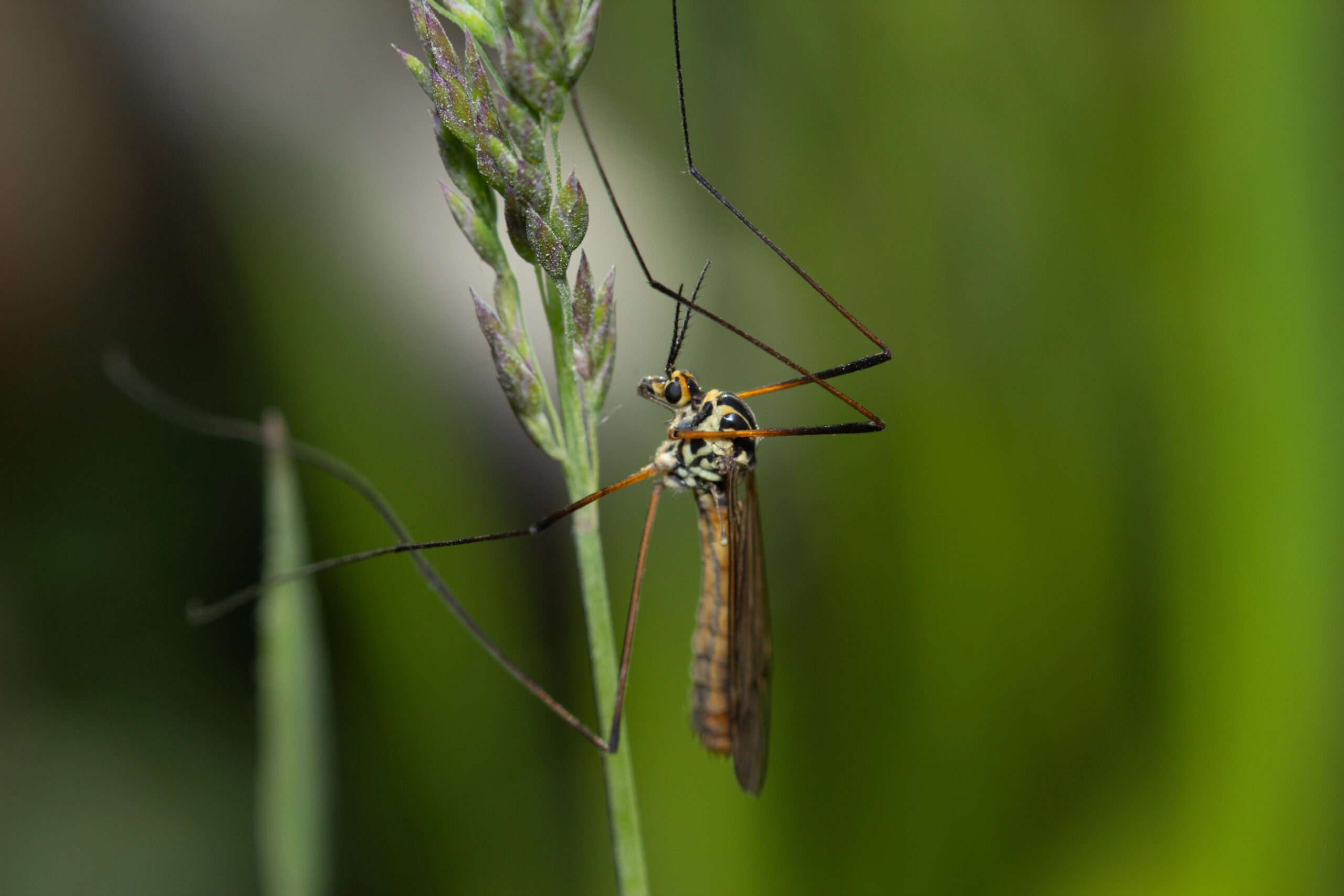
Crane flies eerily look like gigantic mosquitoes. These mosquito look-alikes appear as if they would have a voracious appetite for a blood meal, and people often marvel at that HUGE mosquito. However, crane flies are not mosquitos and do not even bite. If you find a large mosquito-looking bug that does not seem to buzz around you in an attempt to bite, it may be a crane fly.
Adult crane flies only live for about 4 days and do not even eat as adults. Crane fly larvae are considered important as they aggressively eat dead and decaying leaves. This necessary environmental contribution can sometimes conflict with human uses of land. Aggressively consuming turf, golf courses, and field crops, crane fly larvae can become a pest. Effective crane fly management focuses on the larval stage as that is where the potential damage can occur.
Allergic Reaction to Fly Bites
Allergic reactions to fly bites are highly unusual but not unheard of. Any time a foreign substance, such as fly saliva, is introduced into our body, the risk of an immunological reaction exists. Indications of an allergic reaction to a fly bite include weakness, dizziness, nausea, and swelling in various areas of the body. Difficulty breathing or swallowing are serious symptoms of an allergic reaction; seek medical attention at once.
The human immune system is remarkable. Our immune responses change over time and with repeated exposure to different substances. Do not discount the possibility of an allergic reaction for the simple fact that it has never happened to you before. Even if the allergic reaction manifests as mild symptoms, get the advice of an allergist for future safety precautions you should take.
How to Manage Biting Flies
Understanding what types of flies that bite, how to treat fly bites, and how to prevent yellow fly or horse fly attacks helps you stay safe and comfortable outdoors. If you’re in West Palm Beach, Clearwater, or anywhere in Florida, knowing your local pests can make all the difference.
Contact Nextgen Pest Solutions For Fly Infestations
Whether you’re dealing with persistent house flies in your kitchen, biting flies ruining your outdoor enjoyment, or any other fly-related issue at your home or business, Nextgen Pest Solutions is ready to help. We offer targeted and effective fly control strategies tailored for both residential and commercial settings. Remember, our expertise doesn’t stop at insects; we are also your go-to professionals for humane wildlife removal across Clearwater and West Palm Beach. Don’t let flies or unwanted wildlife compromise your comfort – check out our comprehensive pest control and wildlife services and schedule your consultation.