 Limited Time: Get $25 Off Your First Service

The Ultimate Guide To Natural, Green and Organic Pest Management
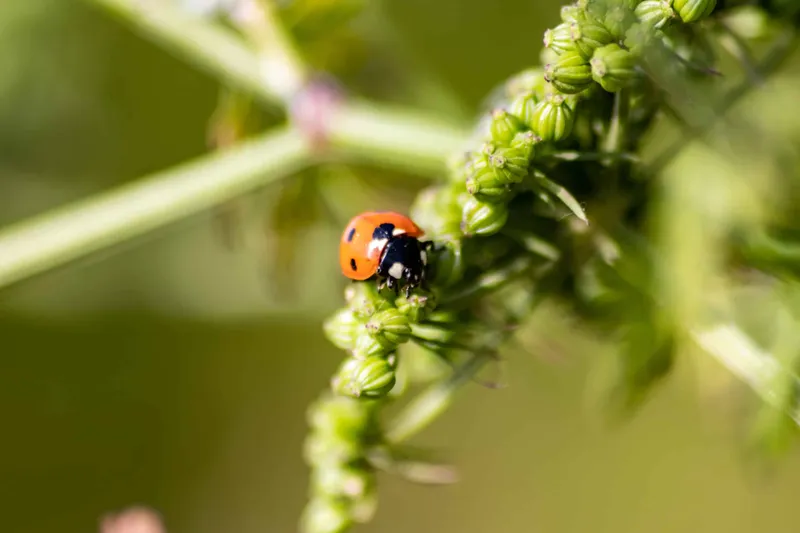
Organic pest control uses natural methods, physical barriers, biological treatments, and preventive practices to manage pests while reducing reliance on synthetic pesticides. Common methods include diatomaceous earth for ants, removing standing water to control mosquitoes, sealing entry points for rodents, and using traps for crawling insects. These approaches work best as part of an Integrated Pest Management (IPM) plan that protects your home, family, pets, and environment.
TL;DR: Natural, green, and organic pest control manages pests with physical barriers, sanitation, plant-based products, and beneficial organisms instead of relying on synthetic pesticides. The most reliable steps are removing standing water, sealing entry points, and using traps, with products like diatomaceous earth for ants and roaches and mattress encasements for bed bugs. Natural products often work more slowly, need reapplication, and may not be enough for serious infestations, so use them inside an Integrated Pest Management plan and call a professional when pests persist.
Key Takeaways
- Organic methods reduce chemical exposure for children and pets, and they act on specific pests without harming helpful insects like bees and ladybugs.
- Natural products often work slowly and need frequent reapplication, and they can cost more.
- Removing standing water stops mosquito breeding, and sealing entry points is the most important step for rodents.
- Diatomaceous earth can dry out ants and roaches, but use food-grade only and avoid breathing the dust.
- Heat or steam kills bed bugs and eggs, and mattress encasements trap the bugs inside and prevent new infestations.
- Serious infestations need a full Integrated Pest Management program, not natural products alone.
Whether you’re dealing with ants in the kitchen, mosquitoes in the yard, or rodents in the attic, there are eco-friendly solutions that actually work. From plant-based sprays and essential oils to biological pest control in Atlanta and Integrated Pest Management (IPM) strategies, the options today are more effective and accessible than ever.
In this complete guide, we’ll explore the differences between natural, green, and organic pest control, how they work, when to use them, and why more people are making the switch. If you want to reduce chemical exposure without sacrificing results, this guide is your starting point.
Why Consider The Transition? The Advantages of Adopting Eco-Friendliness
Selecting natural and organic pest control methods presents enticing benefits that extend far beyond mere pest killing:
- Peace of Mind for Your Loved Ones: Perhaps the greatest victory is in these manners, which avoid tough, toxic chemicals, rendering your home environment far safer for children and pets.
- Kinder to the Planet: By reducing the use of synthetic chemicals, you are lessening pollution and fostering a healthier ecosystem right in your own backyard.
- Less Resistance: Pests are far less likely to become resistant to natural methods compared to the ever-changing synthetic pesticides.
- Selective Action: Natural methods typically address particular pests without harming useful insects such as bees and ladybugs, which are important to the overall well-being of a garden.
- Sustainable Solutions: Instead of simply reacting to issues, these solutions address the root causes of pest issues, leading to longer-term control.
- Cleaner Water and Land: Organic pesticides are more easily broken down, leaving your land, groundwater, and air cleaner from long-term pollution.
- Increasing Biodiversity: The encouragement of natural predators create a healthier and more balanced local ecosystem.
Let’s Be Real: What Are The Considerations?
Even if the advantages are clear, keeping expectations grounded should also be emphasized. Natural and organic treatments are not necessarily magic bullets. Things to think through:
Patience is needed: Natural products often take their time to become effective, unlike the very swift, though temporary, effects induced by synthetic products.
Reapplication may be necessary: Although the majority of natural products degrade quicker—a benefit to the environment they may also require more frequent applications.
Potential Cost: Certain specialty organic products or treatments may cost more. They are more expensive to produce and don’t last as long, so more frequent inspections and applications need to be made.
Troublesome cases could necessitate further action: in particular, serious infestations could necessitate a more comprehensive integrated pest management program, possibly including a series of natural treatments or, in extreme cases, more targeted interventions.
Knowledge is power: Effective natural pest control often requires a thorough knowledge of the specific pest, its habits, and the best way to use the chosen remedy.
Protecting More Than Your Home — Earth Stewardship and Sustainability
Natural pest management is essentially sustainability based; it works in harmony with environmental cycles- not against them- and distorts chemical pesticides, which prolong damage. This includes frequently drawing renewable supplies, such as botanical insecticides and essential oils that are derived from plants that can be easily regrown. It further enhances ecological balance through beneficial organisms, such as ladybugs preying on aphids or certain nematodes seeking specific soil pests, an example of how nature’s own checks and balances can effectively regulate pest population.
In harmony with these natural systems, green pest control practice has seriously reduced the chemical pollution: that is, less runoff finding its way into waterways, a replenished base of soil microbes so vital for the healthy growth of plants, and purer air to what has been released through synthetic sprays. Critically, this gentler approach has provided sorely needed protection against non-target organisms. As many other wildlife species – including birds, fish and frogs – suffer less from needless destruction caused by most broad-spectrum chemicals, it also fosters a richer, healthier ecosystem.
Ready To Get Your Hands Dirty? Organic Pest Control For Everyday Use
Here is a glimpse of how you can deter some of the common unwanted guests using natural and organic methods:
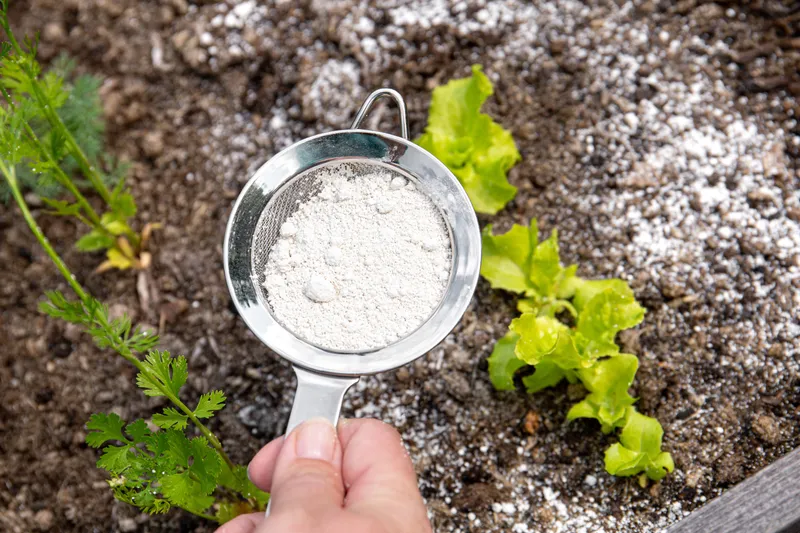
A gardener uses a sieve to distribute white powder over young vegetable seedlings in prepared soil.
Ants
- Diatomaceous Earth (DE): A powder that dries out ants upon contact.
- Essential Oils: Peppermint, tea tree, lemon, or orange oil will deter ants.
- Vinegar/Lemon Juice: Interrupts scent trails when sanitizing surfaces.
Mosquitoes
- Drain Standing Water: Remove breeding areas in bird baths, gutters, etc.
- Natural Repellents: Citronella, lemon eucalyptus oil, neem oil.
- Repellent Plants: Basil, lavender, marigolds, catnip.
- Garlic Spray: Can repel mosquitoes in localized areas.
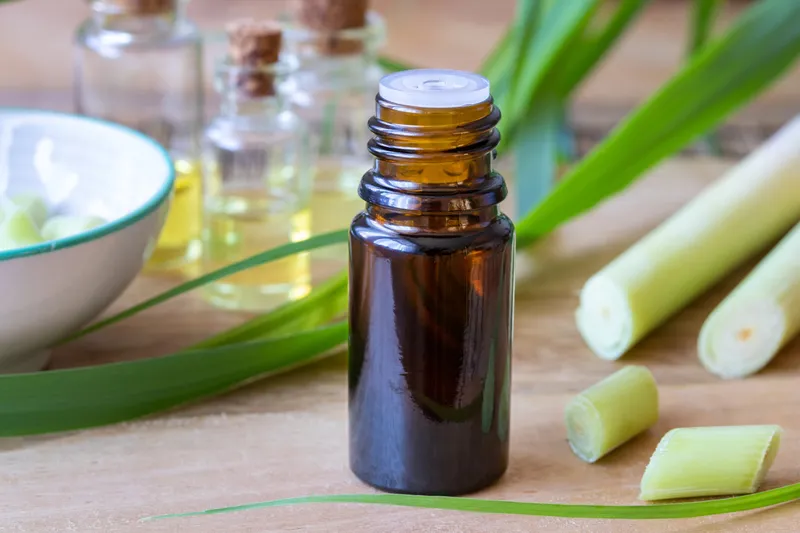
A dark amber essential oil bottle displayed with fresh green onions and other aromatherapy ingredients on a wooden surface.
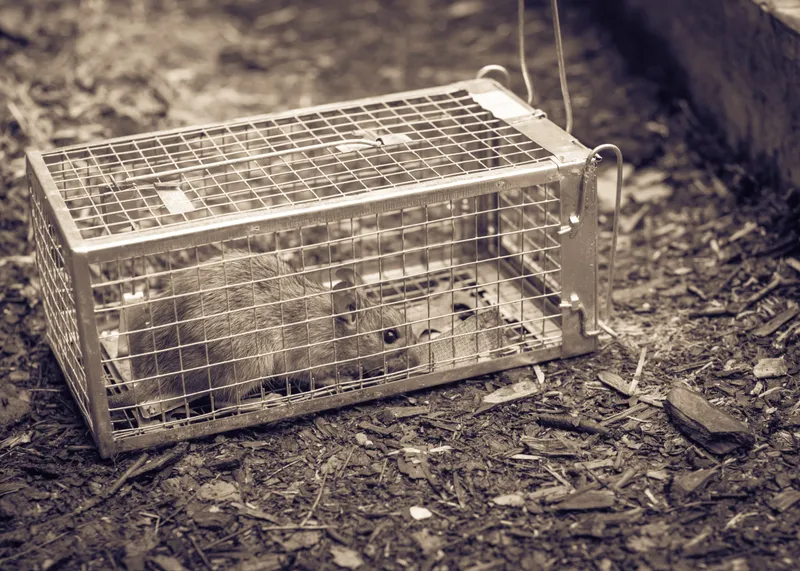
Huge rat captured in live trap near raised bed garden. Galvanized steel wire mesh rodent cage with door lock.
Rodents (Rats & Mice)
- Peppermint Oil: Soak cotton balls and place them by doors.
- Sealing Entry Points: The single most important preventative measure!
- Humane Traps: For catch-and-release (check local regulations).
Spiders
- Essential Oils: Cedarwood oil or peppermint can be sprayed on corners and crevices.
- Vinegar Spray: May repel spiders.
- Diatomaceous Earth: Spray in arid locations where spiders are present.
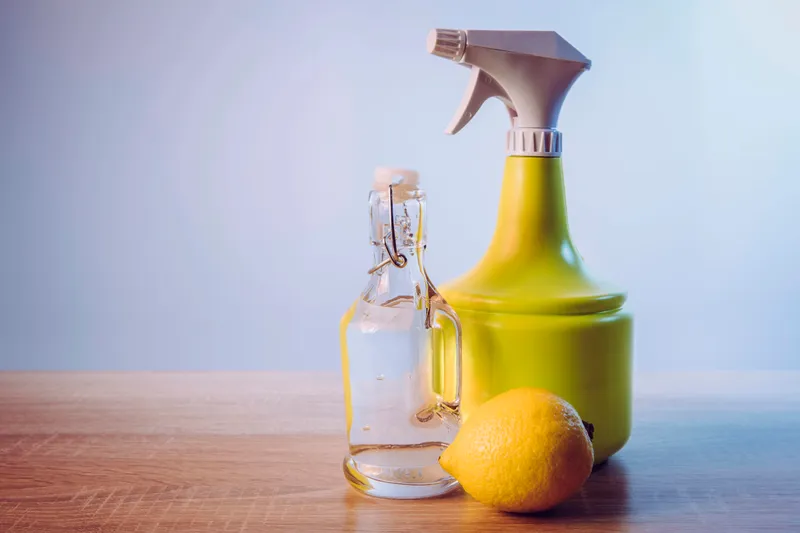
White vinegar and lemon with spray bottle

Zero waste natural home cleaner, orange oil spray
Termites
- Orange Oil (d-limonene): Destroys termites on direct contact.
Roaches
- Boric Acid & Sugar Bait: Effective homemade killer (use responsibly).
- Diatomaceous Earth: Use in cracks and behind appliances.
- Repellents: Bay leaves, catnip, or cucumber slices will keep them away.
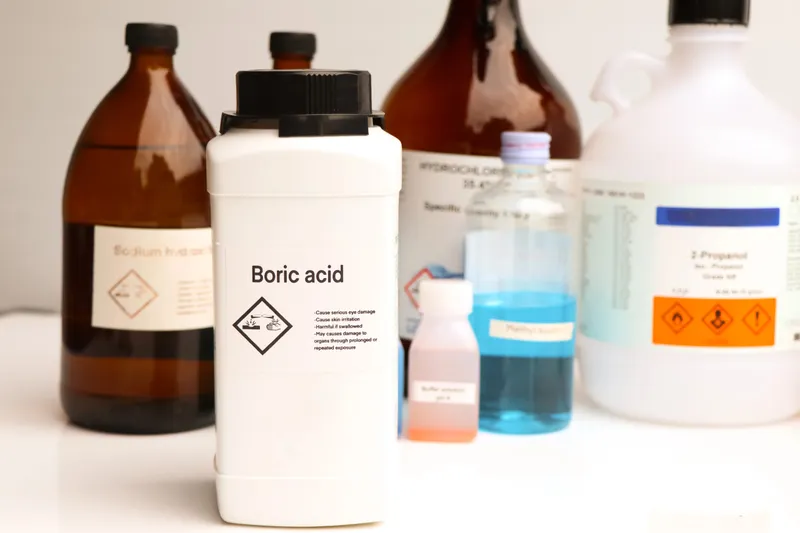
Boric acid in bottle, chemical in the laboratory and industry

woman holding a vaccuum cleaner to kill bed bugs
Bed Bugs
- High Heat/Steam: Kills bed bugs and eggs (professional treatment best suited).
- Diatomaceous Earth: Apply cautiously near bed frames and baseboards.
- Mattress Encasements: Captures present bugs and prevents future infestations.
- Essential Oils: Tea tree oil and lavender could possibly have some repellent effect.
Flies
- Apple Cider Vinegar Trap: Works on fruit flies.
- Repellent Plants: Basil, Mint, Lavender.
- Essential Oils: Eucalyptus, lavender, peppermint.
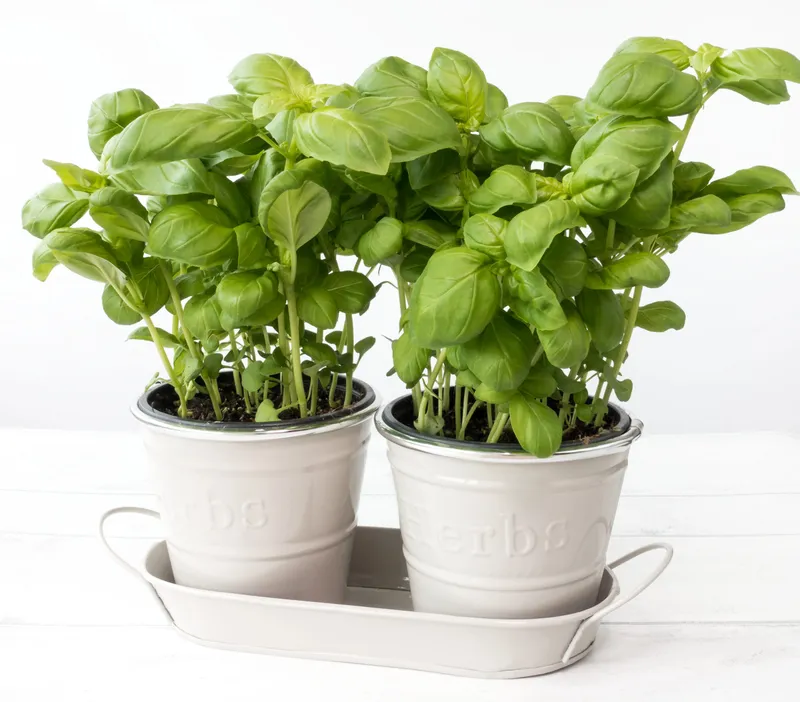
basil can repel flies
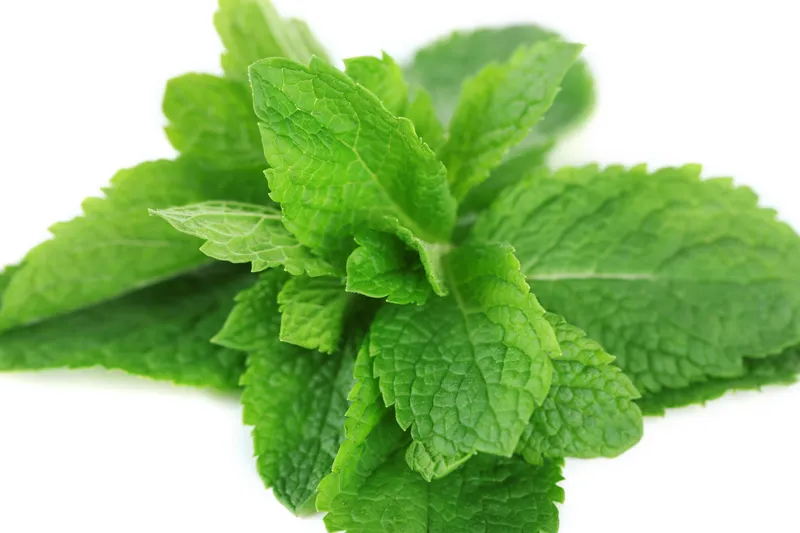
a bunch of spearmint
Bees & Wasps: (Attention required, emphasis on deterrent)
- Peppermint/Spearmint Plants: These may repel wasps from nesting close by.
- Decoy Nests: Can deter wasps from nesting in specific areas.
- Soapy Water Spray: Will kill small, exposed nests (exercise extreme care).
Fleas and Ticks
- Diatomaceous Earth: Use on carpets and pet bedding (use food-grade, don’t breathe in).
- Vinegar/Lemon Spray: Can be used as a repellent.
- Cedarwood Oil: The natural pet and bed repellent.
- Vacuuming & Washing Daily: Necessary for egg and larva control.
Natural flea and tick repellent
Market Trends and The Adoption Of Organic Pest Control
Because of the increasing public awareness and changes in the law, enabling such processes as the natural pest control marketplaces, new organic pesticides will rise to an incredible high of $7.6 billion by 2032 because eco-friendly pest control has increasingly become popular. Commercial establishments, schools, and local clients are now embracing organic pest control due to health awareness, eco-awareness, and governmental legislation.
Conclusion
Natural and organic pest control is now considered an alternative to the traditional chemical pesticides. They are safe and environmentally friendly. Armed with knowledge of what solutions to use against different types of pests, businesses and homeowners can efficiently protect their properties without harming the environment. With an Integrated Pest Management strategy, these solutions form an effective long-term pest control solution. For commercial natural pest control services, contact Nextgen Pest Solutions to resolve all your pest problems. We serve areas in Georgia and Florida and are known for our excellent customer service.
Frequently asked questions
Organic Pest Control FAQ: Green Pests, Natural Methods, and Safe Treatments
Get a free inspection when you book a pest control service.
What are green pests?
Green pests” usually refer to small, green garden insects most commonly Aphids or greenbugs that feed on plant sap and damage leaves, stems, and crops.
What are organic pest control methods?
Organic pest control methods use natural practices, physical barriers, and safe treatments to manage garden pests without harsh synthetic chemicals.
Is organic pest control effective?
Yes, organic pest control is effective when matched correctly to the target pest, applied properly, and used as part of a consistent management plan.
What is the safest organic pesticide?
Insecticidal soap and Bacillus thuringiensis (Bt) are widely considered the safest organic pesticides because they target specific soft-bodied pests or larvae while breaking down quickly and posing virtually no toxicity to humans, pets, or mammals.
What is the longest lasting insecticide?
Microencapsulated and suspension concentrate formulations, specifically those containing active ingredients like bifenthrin, deltamethrin, or cypermethrin, provide the longest-lasting residual control, typically lasting up to 90 days (3 months) indoors and protected areas.