

Bug bites can be alarming, especially when the source is unknown. Whether you’re dealing with itchy welts, red rashes, or painful swelling, understanding the type of bite can help you treat it effectively and prevent future incidents. In this comprehensive guide, we’ll help you identify bug bites by their appearance, explain the associated risks, and offer practical tips for treatment and long-term prevention. Accurate identification can provide peace of mind and allow for the right response—whether that means first aid at home or professional pest management in Alpharetta.
What Are the Most Common Types of Bug Bites?
Common biting insects include:
- Bed bugs
- Fleas
- Ticks
- Mosquitoes
- Spiders
- Lice
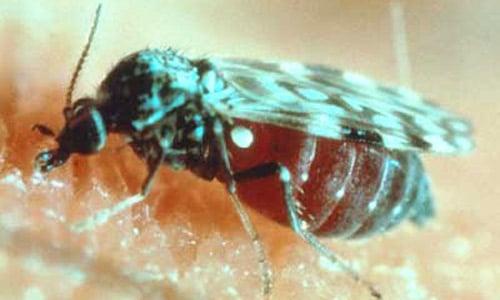
- Gnats
- Horseflies
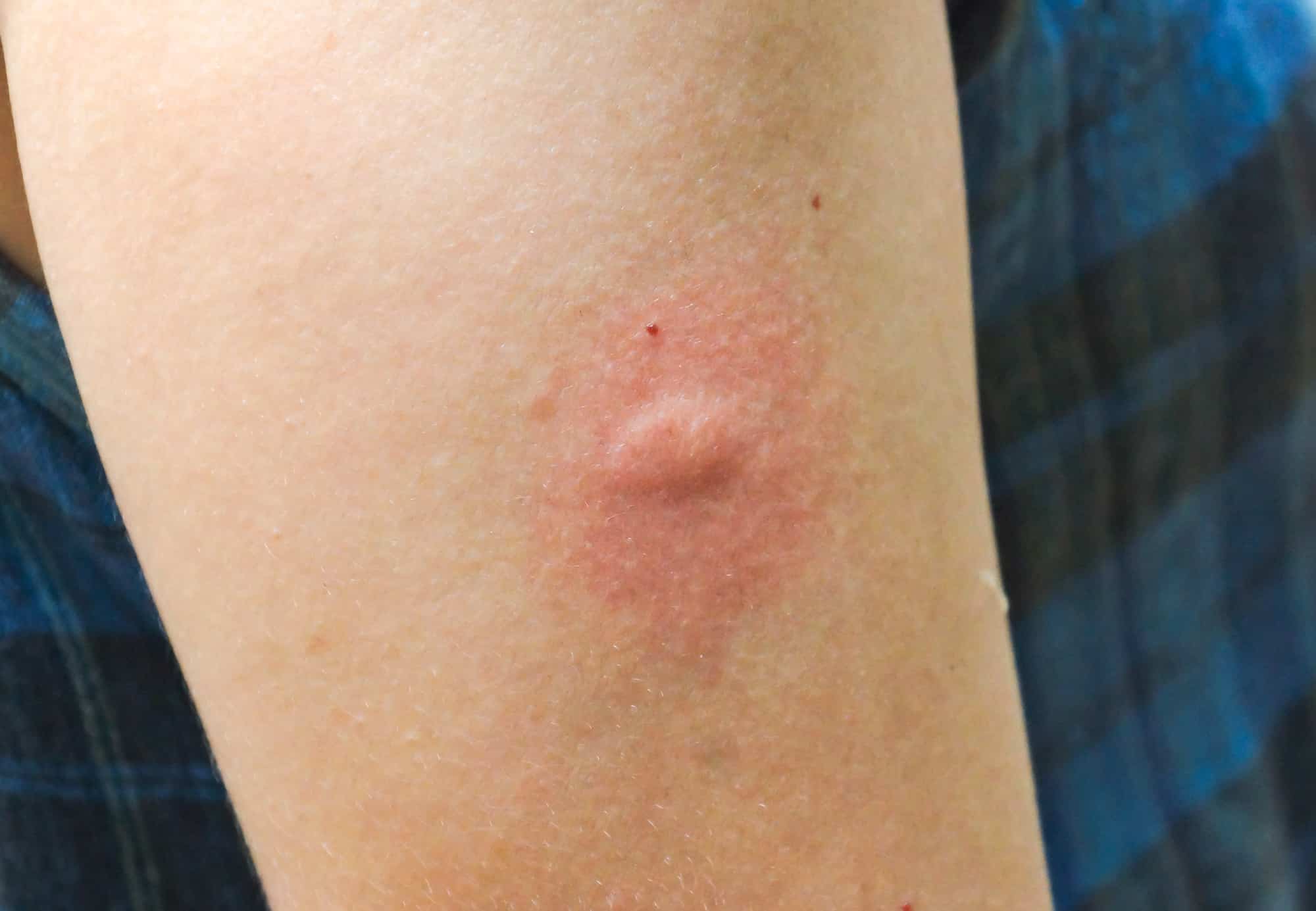
Each of these pests leaves a different mark on the skin and has different habits that affect how and when they bite. Their bites may cause itchiness, redness, swelling, or even allergic reactions and disease transmission.

How Can I Tell What Bug Bit Me?
Several clues can help you identify the culprit behind a bite:
- Location: Bites on exposed skin often suggest mosquitoes or bed bugs.
- Pattern: Clusters or lines of bites may point to bed bugs or fleas.
- Symptoms: Burning, itching, or swelling can vary depending on the insect.
- Environment: Were you recently outdoors or near animals?
These observations, paired with photos and a bit of research, can narrow down the likely cause.
What Do Bed Bug Bites Look Like?
- Small, red, slightly raised bumps
- Typically arranged in lines or zigzag patterns
- Commonly found on arms, legs, neck, and back
- May cause itching or burning, but some people have no reaction
Because bed bugs feed at night and hide during the day, many people wake up to new bites without ever seeing the bugs. Early identification is key.
What Do Flea Bites Look Like?
- Tiny red dots with halos or surrounding redness
- Usually appear in clusters, especially on lower legs and ankles
- Extremely itchy and may ooze or crust if scratched too much
Fleas often enter homes by hitching a ride on pets or wildlife. Once inside, they reproduce rapidly in soft furnishings and bedding.
What Should I Know About Tick Bites?
- Bite site may be painless or unnoticed initially
- Can leave a small red bump, with or without visible tick
- Some may cause a bullseye rash—a sign of Lyme disease
- Symptoms like fatigue, fever, and muscle aches may appear later
Ticks attach for extended periods. Remove them carefully and seek medical help if symptoms develop.
How Can I Tell If a Bite Is from a Spider?
- Mild bites cause redness, swelling, and itching
- More severe cases may result in blisters or open sores
- Venomous spiders can cause systemic symptoms like chills, nausea, and muscle pain
Medical attention is advised for worsening symptoms, especially if the spider is known to be dangerous.
What Are the Symptoms of Lice Bites?
- Small, red bumps on scalp, neck, or pubic area
- Persistent itching, especially at night
- Nits (eggs) may be seen on hair shafts
Because lice feed frequently, bites are ongoing and can lead to secondary infections if not treated.
How Do You Treat Common Bug Bites at Home?
- Wash the area with soap and water
- Apply a cold compress to reduce swelling
- Use hydrocortisone cream or calamine lotion to soothe itching
- Take oral antihistamines if symptoms persist
- Avoid scratching to prevent infection
Most bites resolve in a few days. Monitor the site and avoid irritants.
When Should I See a Doctor for a Bug Bite?
Seek medical help if you experience:
- Difficulty breathing or swallowing
- Facial swelling, especially around lips or throat
- Rapid heartbeat, dizziness, or nausea
- Signs of infection like pus, spreading redness, or warmth
Allergic reactions can be life-threatening. Carry an EpiPen if you have known sensitivities.
How Can I Prevent Bug Bites at Home?
- Install and repair window screens and door seals
- Eliminate standing water to deter mosquitoes
- Keep food sealed and clean up crumbs to prevent pests
- Wear long sleeves and pants in outdoor areas
- Treat pets with flea and tick medications regularly
A clean, pest-proof environment is your best defense against bites.
Can Pest Control Help With Bug Bite Prevention?
Yes. Professional pest control services can:
- Inspect your home for entry points and nesting areas
- Use targeted Integrated Pest Management (IPM) techniques
- Apply safe, effective treatments for bugs and other biting insects
- Offer ongoing protection through preventive care plans
Nextgen Pest Solutions tailors treatments to your home’s needs—helping you stay bite-free year-round.