 Limited Time: Get $25 Off Your First Service

How to Prepare Your Home Before a Bed Bug Treatment
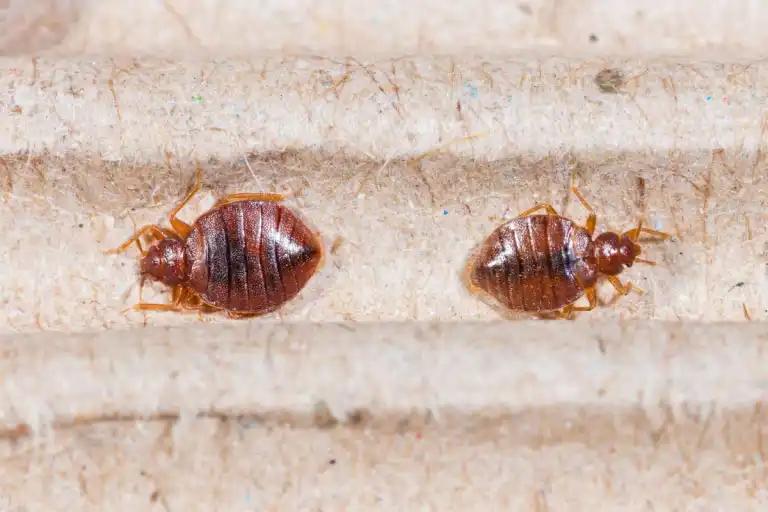
Preparing your home before a bed bug treatment helps technicians reach hiding places and reduces the chances of bed bugs spreading to other areas. The most important steps include clearing clutter, treating washable fabrics, preparing furniture, and making affected rooms accessible.
TL;DR: Dry suitable clothing and bedding on high heat for 30 minutes, per the EPA, then store them in clean, sealed bags or containers away from the treatment area. Preparation differs by method: spraying focuses on access, securing food and medications, and re-entry timing, while heat treatment requires removing items that can melt or be damaged, such as candles, electronics, and plants. Do not move untreated belongings into other rooms, add sprays or foggers beforehand, or heat your home with space heaters, and ask your technician for the exact steps before the appointment.
Key Takeaways
- Clear clutter from affected rooms and make beds, drawers, closets, and other hiding places accessible, but keep untreated belongings contained so bed bugs don’t spread to clean rooms.
- Place suitable clothing and bedding in sealed bags, dry them on high heat for at least 30 minutes, and store the treated items in clean, sealed containers, since washing alone may not be enough.
- Vacuum floors, carpets, and accessible hiding places, then seal the contents in a plastic bag and dispose of it in an outdoor trash bin.
- Preparation depends on the treatment: spraying requires securing food, medications, and pets, while heat treatment requires removing items such as candles, electronics, plants, and artwork. Always confirm the steps with your technician.
- Don’t apply extra sprays or foggers before the appointment, don’t use space heaters or ovens to heat your home, and follow the technician’s re-entry time and follow-up instructions afterward.
If you’re wondering how to prepare for bed bug treatment, this guide walks you through what to do before your appointment, how preparation differs for spraying and heat treatment, and what to expect afterward.
Bed Bug Preparation Checklist: What to Do Before Treatment
A bed bug preparation checklist makes it easier to organize everything before your scheduled appointment. Use this bed bug prep sheet to check which tasks you’ve completed and what still needs attention.
| Preparation Task | What You Need to Do |
|---|---|
| Clear clutter | Remove loose belongings from floors, beds, and furniture without spreading them to unaffected rooms. |
| Prepare bedding | Remove sheets, pillowcases, comforters, and other washable bedding as directed. |
| Treat washable items | Use a high-heat dryer for suitable clothing, linens, and curtains. |
| Secure cleaned belongings | Store treated items in clean, sealed plastic bags or containers. |
| Inspect furniture | Check mattress seams, bed frames, headboards, and nearby furniture. |
| Prepare storage areas | Empty dressers, nightstands, and closets if required by your treatment provider. |
| Vacuum affected areas | Clean floors, carpets, and accessible hiding places before treatment. |
| Protect sensitive items | Ask about medications, electronics, plants, and belongings that cannot tolerate the treatment. |
| Arrange for occupants and pets | Confirm whether everyone must leave and when they can return. |
| Confirm instructions | Review the appointment requirements and ask about anything you’re unsure of. |
This bed bug treatment checklist covers the main preparation tasks, but your technician may provide additional requirements depending on the infestation and treatment method.
For a more detailed version, review Nextgen Pest Solutions’ Bed Bug Treatment Preparation Checklist (PDF).
Bed Bug Inspection Checklist: Where to Look Before Treatment
Bed bugs are small, flat insects that can hide in narrow gaps near sleeping and resting areas. Before your appointment, a bed bug inspection checklist can help you identify where you’ve seen activity so the technician knows which areas need attention.
Look for bed bugs and signs of infestation in these locations:
- Mattresses and box springs: Examine seams, piping, folds, and edges for live insects, dark spots, shed skins, or eggs.
- Bed frames and headboards: Check joints, screw holes, cracks, and areas where the headboard meets the wall.
- Nightstands and dressers: Inspect drawer joints, corners, and spaces behind nearby furniture.
- Sofas and upholstered chairs: Look along seams, cushions, fabric folds, and underneath furniture.
- Baseboards and wall openings: Check cracks, loose wallpaper, and spaces around electrical fixtures without opening electrical components yourself.
During a bed bug inspection before treatment, document any suspicious areas and tell your technician what you found.
If you’re unsure whether the insects are bed bugs, read our guide to bugs that look like bed bugs.
Avoid carrying potentially infested furniture or belongings into unaffected rooms while inspecting.
How to Prepare Your Home for Bed Bug Extermination
Successful bed bug treatment preparation involves more than clearing a bedroom. Bed bugs may hide in belongings, furniture, and areas surrounding the bed.
Whether you’re preparing for bed bug treatment in Florida, Georgia, or elsewhere, the following steps will help you get your home ready.
1. Reduce Clutter and Organize Belongings
One of the first steps in bed bug extermination prep is removing unnecessary clutter from affected rooms.
Pick up clothing, toys, books, and other loose items from floors and underneath furniture. Organize belongings carefully, keeping potentially infested items contained until they can be inspected or treated.
Avoid moving untreated belongings into clean rooms. Bed bugs can travel inside bags, boxes, clothing, and other personal items.
The Environmental Protection Agency (EPA) recommends reducing clutter while taking precautions to prevent bed bugs from spreading.
Use sealed plastic bags for transporting potentially infested items. Do not discard furniture or move belongings outside without considering whether doing so could spread the infestation.
If you’re wondering how to prepare for pest control or how to get ready for bed bug extermination, reducing hiding places while containing affected items is an important starting point.
2. Wash, Dry, and Seal Clothing and Bedding
Clothing, sheets, blankets, pillowcases, and other washable fabrics should be handled carefully during preparation.
Remove washable bedding as instructed and place potentially infested items directly into sealed bags for transport to the laundry area.
The EPA recommends placing suitable fabrics in a household dryer on high heat for 30 minutes to kill bed bugs and their eggs. Washing alone may not be enough.
Follow these steps:
- Place potentially infested fabrics into sealed bags before transporting them.
- Wash items according to their care labels when appropriate.
- Dry suitable items on high heat for at least 30 minutes, ensuring the dryer reaches an effective temperature.
- Transfer treated items into clean, sealed bags or plastic containers.
- Keep treated belongings separate from untreated items until the technician advises that they can be returned.
Nextgen’s preparation instructions also recommend avoiding overloaded dryers and keeping cleaned items sealed and outside treatment areas during service.
Items that cannot safely withstand heat may require another treatment method. Ask your technician how to handle delicate fabrics or other belongings.
3. Prepare Beds, Furniture, and Sleeping Areas
Bed frames, mattresses, box springs, and upholstered furniture are common places where bed bugs hide.
Before treatment, remove washable bedding according to your provider’s instructions. Clear items from under beds and make sure technicians can reach areas surrounding affected furniture.
Nextgen’s published bed bug preparation requirements also call for emptying storage areas, including dressers, nightstands, and closets, so technicians can inspect and access potential hiding places.
Depending on the treatment, your technician may also ask you to reposition furniture or provide additional clearance around beds.
Do not move potentially infested furniture into another room without approval. Instead, confirm whether your technician wants furniture moved, drawers emptied, or mattresses repositioned.
4. Vacuum and Protect Personal Belongings
Vacuuming can remove some visible bed bugs, eggs, and debris from accessible surfaces.
Pay particular attention to:
- Floors and carpets surrounding beds
- Areas beneath furniture
- Baseboards and floor edges
- Accessible furniture joints and cracks
After vacuuming, seal the collected contents in a plastic bag and dispose of them in an outdoor trash bin. Clean the vacuum components as appropriate.
Keep medications, important documents, valuables, and sensitive belongings protected. Ask your technician which items must be removed and which should remain available for inspection.
The goal is to prepare the treatment area without accidentally transferring bed bugs elsewhere.
How to Prepare for Bed Bug Spraying
Chemical treatments require specific preparation to help technicians reach cracks, crevices, and other areas where bed bugs hide.
When planning how to prepare for bed bug spraying, start by asking your treatment provider which rooms will be treated and what needs to be moved or protected.
Common bed bug spray preparation steps include:
- Clearing clutter and providing access to affected areas
- Preparing furniture, drawers, and storage spaces as instructed
- Securing food, medications, and personal belongings
- Removing or protecting pets and sensitive items according to the treatment instructions
- Confirming when occupants can safely return
Avoid applying additional sprays, foggers, or household pesticides before the appointment unless your technician specifically recommends them. Unplanned applications may interfere with treatment or introduce safety risks.
You should also ask when it is safe to clean treated surfaces. Some products need to remain undisturbed in specified areas to continue working.
Bed Bug Heat Treatment Preparation
Bed bug heat treatment preparation differs from chemical spraying because technicians use controlled temperatures to treat affected areas.
Before the appointment, ask which belongings can remain in the treatment area and which need special handling.
Items that may require attention include:
- Medications and heat-sensitive personal care products
- Candles, wax products, and other materials that can melt
- Electronics and batteries
- Plants and other temperature-sensitive belongings
- Artwork, musical instruments, and delicate objects
Your technician should provide instructions for heat treatment for bed bugs preparation, including furniture positioning, item removal, and how to prepare the home safely.
Do not attempt to heat your home with space heaters, ovens, or other household equipment. Improvised heating methods can create serious fire hazards and may not eliminate bed bugs.
Some companies use freezing or other targeted methods instead of whole-room heat treatment. Follow the preparation requirements for the treatment actually scheduled.
What to Do After Bed Bug Treatment
Your responsibilities do not necessarily end when the appointment is finished.
After treatment, follow the technician’s instructions about re-entering the property, cleaning treated areas, replacing belongings, and monitoring for continued activity.
Depending on the treatment, you may be asked to:
- Wait until the approved re-entry time before returning.
- Avoid washing or vacuuming certain treated areas for a specified period.
- Keep cleaned belongings sealed until they can be safely returned.
- Continue checking mattresses, bed frames, and other previously affected areas.
- Schedule follow-up inspections or treatments when recommended.
Seeing a bed bug after treatment does not automatically mean the entire treatment has failed. However, continued activity should be reported to the treatment provider.
Learn more in our guide: Do Bed Bugs Come Back After the First Treatment?.
Need Professional Bed Bug Treatment?
If you’re looking for an exterminator for bed bugs in Florida or Georgia, Nextgen Pest Solutions provides professional bed bug services designed to address infestations in homes and businesses.
Our team can inspect affected areas, explain available treatment options, and provide preparation instructions suited to your property.
Learn more about our professional bed bug control services or contact Nextgen Pest Solutions to discuss your situation.
Frequently asked questions
Bed Bug FAQ: Treatment Preparation, Recovery Time, and Reinfestation
Get a free inspection when you book a pest control service.
Do you have to empty your house for bed bug treatment?
You do not have to empty your house of all furniture, but you must clear out closets, drawers, and personal items.
How soon can I sleep in my bed after bed bug treatment?
You can usually sleep in your bed the same night, typically 2 to 6 hours after a chemical treatment once the sprays have completely dried and the room is aired out.
How long does it take to fully get rid of bed bugs?
It takes anywhere from a few hours to 3 to 6 weeks to fully get rid of bed bugs, depending on the treatment method used and the size of the infestation.
How to tell if bedbugs are gone?
Bed bugs are considered gone when you see no signs of activity or new bites for 30 to 60 days following treatment.
What is the main cause of bed bugs in your house?
The main cause of bed bugs in a house is “hitchhiking,” meaning the bugs are carried inside on items like luggage, clothing, or secondhand furniture.