
Rat snakes are one of the most common and misunderstood snake species in North America. Particularly prevalent in Georgia and Florida, these non-venomous constrictors are often mistaken for more dangerous snakes due to their size, color, or behavior. In this comprehensive guide, we’ll explore how to identify rat snakes, their behavior, where they live, what they eat, how to safely manage their presence around your home, and when to call for professional wildlife and pest removal in Roswell if they become a recurring concern.
What Is a Rat Snake? Are They Dangerous?
Rat snakes are medium-to-large non-venomous snakes that feed primarily on rodents. As constrictors, they subdue prey by wrapping their bodies around them and squeezing until the prey’s circulation stops. Despite their sometimes intimidating appearance, rat snakes are not dangerous to humans. They are shy and tend to avoid confrontation, much like garter snakes, another harmless species often mistaken for venomous ones. Though they may bite if provoked or cornered.
Key Characteristics:
- Non-venomous constrictors
- Round pupils (not vertical like venomous snakes)
- Usually 4–6 feet long, some growing up to 10 feet
- Slender bodies with wedge-shaped heads
Rat snakes are beneficial to have around due to their role in controlling rodent populations. In fact, their presence can naturally reduce the need for chemical rodent control.

How to Identify Rat Snakes by Region
Because rat snakes vary significantly in appearance based on age and geographic location, identification can be challenging. Here are the most common species found in Georgia and Florida:
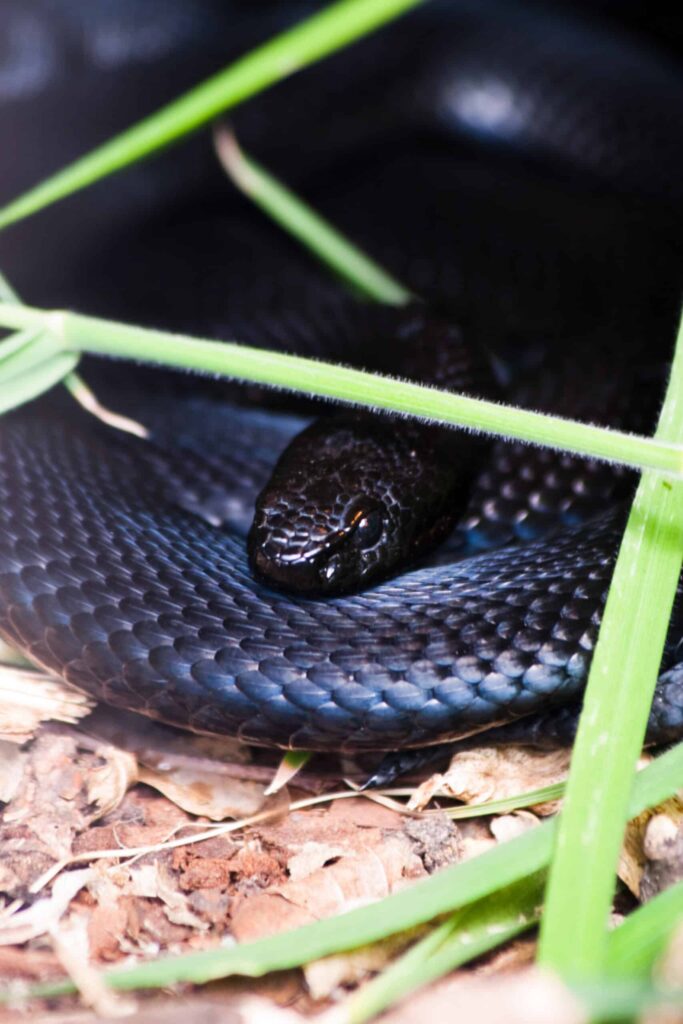
Black Rat Snake / Eastern Rat Snake (Pantherophis alleghaniensis)
- Found throughout Georgia, particularly in the mountains and Piedmont
- Juveniles: gray with black and brown blotches
- Adults: mostly black with faint pattern remnants and a white chin
- Climbers: Often found in barns, attics, and tree branches
Yellow Rat Snake
- A Florida variation of the Eastern rat snake
- Adults: yellow or orange with four brown stripes
- Found across Florida, including the Everglades and Florida Keys
- Often called “chicken snake” for its love of eggs
Red Rat Snake / Corn Snake (Pantherophis guttatus)
- Common in both Georgia and Florida
- Bright orange with red blotches, white and black checkerboard belly
- Often confused with venomous copperheads or timber rattlesnakes due to their similar coloration patterns.
- Popular as pets due to calm demeanor
Gray Rat Snake / White Oak Snake (Pantherophis spiloides)
- Found in southern Georgia and the Florida Panhandle
- Gray with dark blotches, same pattern from juvenile to adult
- Less aggressive than other rat snakes
What Do Rat Snakes Eat?
Rat snakes are both ambush and active hunters. They use their strong muscles to constrict prey before swallowing it whole. Their diet includes:
- Mice and rats
- Birds and eggs
- Frogs, lizards (juveniles)
- Chipmunks and voles
Fun Fact: When constricting prey, rat snakes monitor the heartbeat of their catch to determine when to release and consume it.
Where Do Rat Snakes Live?
Rat snakes are found across North America and thrive in a wide range of environments. In Georgia and Florida, their preferred habitats include:
- Woodlands and forests
- Wetlands, marshes, and swamps
- Suburban neighborhoods
- Abandoned barns and outbuildings
- Attics and sheds (especially those with rodents)
Their ability to climb vertical surfaces such as trees, fences, and even brick walls allows them to seek shelter in high places—often surprising homeowners when they show up in attics.
Are Rat Snakes in Your Yard a Problem?
Not necessarily. Rat snakes play a valuable role in pest control by eating rodents and other small pests. However, if their presence makes you uncomfortable or if they begin entering your home, action may be necessary.
Prevention Tips:
- Enroll in a rodent control program (eliminate snake food sources)
- Keep grass trimmed and remove yard clutter
- Seal gaps in foundations, walls, vents, and around plumbing
- Cover vents and crawlspace entries with hardware cloth
Remember: A clean, rodent-free yard is the best snake deterrent.
Why Is There a Rat Snake in My House?
Rat snakes typically enter homes for two reasons:
- They are chasing food (mice, rats, or birds in your attic)
- They are seeking shelter or warmth
In attics or garages, their presence is often first noticed by discovering a shed snake skin. Properly sealing your home is the most effective long-term solution.
To keep them out:
- Seal gaps around plumbing, HVAC, and electrical conduits
- Close off attic access and screen vents
- Store pet food and bird seed in airtight containers
What to Do If You See a Rat Snake
If you encounter a rat snake outside:
- Do not kill it — they are protected in many states, including Georgia
- Step back and give it space
- Allow it to move along on its own
If the snake is inside your home:
- Identify it carefully — if unsure, don’t take risks
- Use a broom to gently guide it into a container (only if you’re confident)
- Or call a licensed wildlife removal professional
When to Call a Professional Snake Removal Expert
If you’re unsure about the type of snake or uncomfortable removing it yourself, contact a pest control company. At Nextgen Pest Solutions, we offer:
- Immediate snake identification and removal
- Rodent control services to eliminate attractants
- Full home inspections to seal entry points
We provide humane, fast, and safe snake removal in Georgia and Florida. Our wildlife control team is trained to deal with snakes in residential and commercial settings and will help ensure they don’t return.
Should You Kill a Rat Snake?
In short: No.
Killing non-venomous snakes is both unnecessary and often illegal. In Georgia, rat snakes are protected under state law. They serve an essential role in the ecosystem by reducing rodent populations.
If bitten:
- Wash the wound with soap and water
- Apply antiseptic
- Seek medical advice if symptoms worsen (rare)
Final Thoughts: Rat Snakes Are Friends, Not Foes
Rat snakes are a vital part of the ecosystem. They pose no danger to people and help naturally control rodent populations. Understanding their behavior and identifying them correctly can help reduce fear and foster coexistence.
However, if you find one in your home or feel uneasy, Nextgen Pest Solutions is here to help. We provide snake identification, humane removal, and pest-proofing services to keep your home snake-free.
Need help now? 📞 Call Nextgen Pest Solutions for immediate snake removal in Georgia and Florida.