Skip to content
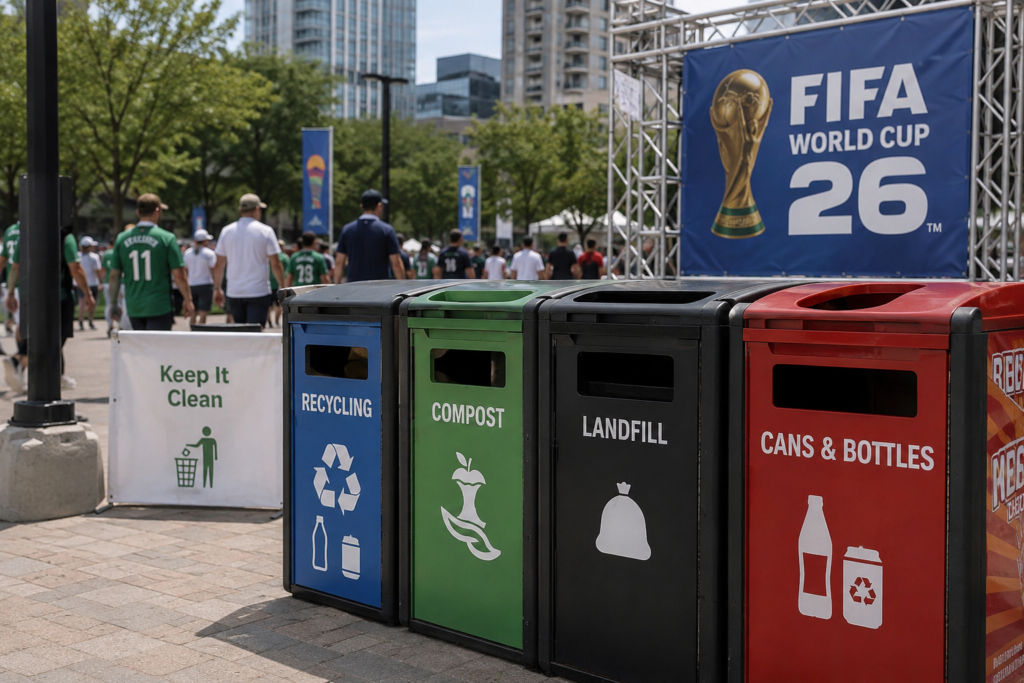
A single overflowing bin near a concession stand can attract rodents within hours. Scale that to a venue processing tens of thousands of visitors a day during a major event like the 2026 FIFA World Cup, combined with Florida or Georgia summer heat, and the math becomes a pest emergency fast.
During the 2026 FIFA World Cup, that risk extends beyond stadiums and fan zones as nearby hotels, vacation rentals, restaurants, and commercial properties absorb increased visitor traffic.
Here’s how poor waste management contributes to pest pressure before, during, and after major events and what venue operators, hotels, restaurants, and nearby businesses can do to stay ahead of it.
Key Takeaways
- Waste management failures can attract rodents faster than most operators expect.
- Florida and Georgia’s heat cuts mosquito breeding cycles to under ten days; climate is a direct pest multiplier here
- Pest pressure follows guests out – hotels and rentals near venues see elevated activity for weeks after an event ends
- Waste and pest control must run as one plan, not two separate workstreams
How Poor Waste Management at Large Events Drives Pest Activity
Pests don’t show up randomly. They follow food, water, and shelter. Large events generate all three at a scale that outpaces normal removal timelines – and in the Southeast, the climate makes every gap in that timeline worse.
Here’s what creates pest risk in practice, even at well-run venues:
- Bin overflow between service intervals. Waste removal schedules built for normal foot traffic fill faster than expected at event volume. Exposed food waste is an open invitation for rodents and cockroaches.
- Grease and residue near service areas. Concession stands, catering tents, and temporary kitchens generate buildup that standard cleaning misses. Pests locate these points quickly.
- Standing water from drainage and cooling. Ice melt, drainage from food prep areas, and pooling near temporary infrastructure create mosquito breeding sites. This is where climate becomes a direct multiplier.
- Waste staging too close to structures. Dumpsters or compactors placed near building entrances, HVAC intakes, or utility access give rodents a direct path inside.
Why Florida and Georgia’s Climate Makes This Worse
The 2026 FIFA World Cup will take place during the peak of summer in the Southeast, when high temperatures, humidity, and frequent rainfall naturally accelerate pest activity. Combined with the surge in visitors, food service operations, and waste generation, these conditions create ideal opportunities for rodents, cockroaches, and mosquitoes to thrive if sanitation and waste removal fall behind.
Mosquitoes can complete their breeding cycle in as little as seven to ten days when standing water is available. Cockroach populations expand rapidly when food waste and moisture are consistently present. Rodents drawn to overflowing waste areas can establish nearby harborage and become difficult to displace once food sources are available.
Why Pest Pressure Spreads Beyond the Event Venue
This is the part many venue operators underestimate. Rodents and cockroaches that establish near a high-traffic food zone will migrate into adjacent properties as the event winds down and food sources thin out. Hotels, short-term rentals, and restaurants within several blocks of a venue can see elevated pest activity for weeks after an event ends.
Mosquitoes follow the same logic but with a wider reach. Their breeding sites are wherever standing water accumulates – not just inside the venue perimeter. A standing water source in a parking area or temporary structure can feed a mosquito population that spreads well beyond the event footprint, especially in Florida’s summer conditions.
Bed bug risk follows the same guest volume logic and deserves its own attention. If you’re in hospitality, the 2026 FIFA World Cup hospitality bed bug guide walks through the specific steps property operators should take before the first guests check in. Traveling to matches yourself? The bed bug risk guide for World Cup travelers is worth reading before you pack.
Event Waste Management and Pest Control: A Coordinated Prevention Plan
Waste management and pest control need to be planned together. The operators who come through major events without a pest incident treat them as one coordinated plan, not two separate workstreams.
Before the Event
This is where the most leverage is. Start with a full property pest inspection to identify existing vulnerabilities before guest volume peaks – our World Cup pest inspection checklist covers exactly what to look for. Then:
- Adjust waste removal frequency to match projected foot traffic, not baseline schedules
- Seal entry points around waste staging areas, utility access, and drainage zones
- Set up a mosquito monitoring and treatment plan for any outdoor areas, factoring in local climate conditions
During the Event
The goal here is early detection, not reaction. Waiting for a visible pest problem means you’re already behind.
- Increase inspection frequency around concession areas and waste staging zones
- Monitor for early signs of rodent or cockroach activity near food service areas
- Eliminate standing water within 24 to 48 hours of accumulation – in Florida’s summer heat, that’s the difference between a nuisance and a breeding population
After the Event
Pest populations that establish during an event don’t self-resolve once the crowds leave.
- Run a post-event inspection before returning to normal operations
- Treat any infestation points immediately
- Update your pest management plan based on what the event revealed
For outdoor fan zones and viewing parties, mosquito prevention needs its own dedicated approach. Our World Cup outdoor parties mosquito prevention guide covers what event hosts should do for large outdoor gatherings this summer.
Don’t Let Waste and Climate Gaps Become a Pest Emergency
By the time a guest complains, you’re already behind. Pest pressure builds quietly – in the bins, the drainage, the grease traps behind concession stands – and in Florida and Georgia’s summer heat, it builds faster than most operators expect.
With 20+ years of experience and a veteran-owned operation built on accountability, Nextgen Pest Solutions has helped venues, hotels, multifamily properties, and commercial spaces across Florida, Georgia, and Alabama stay ahead of exactly this kind of pressure. If you’re managing a property in a World Cup host market or surrounding area, request a free quote and we’ll build a prevention plan around your event timeline – before the crowds arrive.
Frequently Asked Questions
Which pests spike most during large events?
Rodents, cockroaches, and mosquitoes. Rodents and cockroaches follow food waste; mosquitoes breed in any standing water near coolers, drainage areas, or temporary structures.
How far does pest pressure spread from the event site?
Farther than most expect. Rodents can travel hundreds of feet from a food source; mosquitoes have a flight range of up to a mile depending on species. Properties several blocks from a venue regularly see elevated activity during and after major events.
When should venue operators schedule pest inspections?
Before the event. Pre-event inspections catch vulnerabilities while there’s still time to act. Waiting until guest complaints arrive means you’re already managing an established problem.
Does better waste management alone solve the pest problem?
It significantly reduces risk, but waste management and pest control need to work together. Even a well-run waste program leaves gaps that pests exploit – coordinated monitoring and scheduled treatments close those gaps.