Chipmunk Removal: Safe and Effective Ways to Get Rid of Chipmunks
Nextgen Pest Solutions
Chipmunks may look cute, but their tunnels, stretching up to 30 feet can damage foundations, plants, and sidewalks. A single yard can host up to 20 chipmunks, making early chipmunk removal essential.
Professional removal can cost $150–$600, but with the right prevention and humane chipmunk control methods, you can protect your yard affordably and get rid of chipmunks permanently with the assistance of Sandy Spring pest management pros.
Quick Facts About Chipmunks
Tunnels can stretch up to 30 feet
Up to 20 chipmunks may live in one yard
Chipmunk removal costs average $375
Prevention is more affordable than removal
Chipmunks may carry diseases
Understanding behavior helps with effective control
Understanding Chipmunks and Their Habits
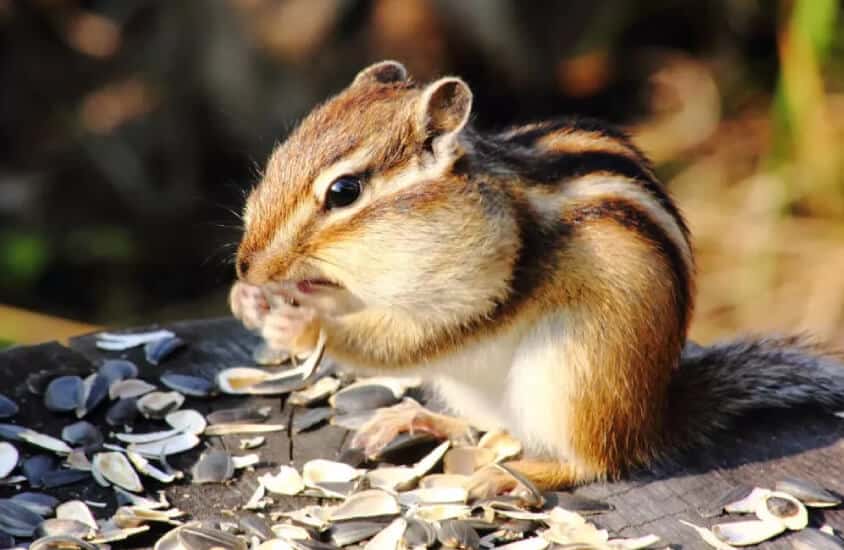
Chipmunks are small, striped rodents weighing around 3 ounces. They’re most common in forests, suburban yards, and city gardens. In North America, the Eastern chipmunk (Tamias striatus) and the Least chipmunk are frequently seen, especially in areas like Missouri’s Ozarks.
They dig elaborate tunnels for shelter and food storage, often 20–30 feet long with several entrances. Chipmunks are territorial, cover about one acre each, and are most active in the morning and late afternoon. They lightly hibernate in winter and eat nuts, seeds, fruit, insects, and even pet food. Understanding their habits is essential for effective chipmunk removal and long-term chipmunk control.
Understanding their habits is essential for effective chipmunk removal and long-term chipmunk control.
Identifying Chipmunk Problems in Your Yard
If you spot these signs, it’s time to start planning your chipmunk removal strategy to avoid more costly damage.
Small holes (2 inches wide)
Damaged seedlings and bulbs
Disturbed bird feeders
Shallow tunnels near patios or decks
Common Damage Caused by Chipmunks
Burrowing under patios, sidewalks, and foundations
Chewing on siding or wood trim
Eating garden vegetables, fruits, and flowers
Scattering unsightly holes across lawns
Health Risks Associated with Chipmunk Infestations
Chipmunks may carry diseases like plague and Rocky Mountain spotted fever, especially in large populations. While they rarely enter homes, they can still pose a threat in high numbers outdoors.
Disease
Transmission
Symptoms
Colorado Tick Fever
Tick bites
Fever, chills, headache
Rocky Mountain Spotted Fever
Tick bites
Rash, fever, muscle pain
Plague
Flea bites
Swollen lymph nodes, fever
Best Chipmunk Removal Methods: How to Eliminate Chipmunks Safely
To keep your yard chipmunk-free, try a combination of natural deterrents, humane traps, and repellents:
1. Use Repellents
Commercial repellents with thiram or naphthalene are available at most hardware stores. Natural alternatives include peppermint oil, citrus peels, or cayenne pepper. These are great options for homeowners wondering how to deter chipmunks without using harsh chemicals.
Ultrasonic devices emit sounds chipmunks dislike. They’re easy to use and work best when combined with other methods.
Method
Effectiveness
Cost Range
Commercial Repellents
Moderate to High
$20 – $50
Homemade Repellents
Low to Moderate
$5 – $15
Live Trapping
High
$30 – $60
Electronic Deterrents
Low to Moderate
$40 – $100
Professional Pest Control
Very High
$200 – $600
If you’re unsure which method to choose, check your chipmunk removal cost options or look for professional chipmunk extermination services for long-term solutions.
Preventing Future Chipmunk Infestations
Prevention is one of the most effective chipmunk control strategies, especially when combined with humane deterrents.
Landscaping Tips
Remove wood piles and dense ground cover
Prune low-hanging branches
Install a gravel border around your home to deter burrowing.
Secure Food Sources
Store birdseed and pet food in sealed containers
Move bird feeders away from the home
Use bulb cages to protect garden plants
Install Physical Barriers
Use L-shaped hardware cloth fences (1/4-inch mesh)
Bury fences at least 6 inches deep to prevent tunneling
Repellent sprays like Rodent Defense Spray (reapply after rain)
Electronic ultrasonic systems ($20–$30 range, 900–1200 sq. ft. coverage)
Combine these humane chipmunk removal methods with landscape control and food source management for best results.
Method
Effectiveness
Duration
Live Traps
High
Immediate
Natural Repellents
Moderate
Short-term
Electronic Systems
Moderate
Long-term
Liquid Repellents
High
Short-term
Conclusion
Effective chipmunk control combines prevention, humane chipmunk removal, and consistent yard care. With the right steps like sealing burrows, installing barriers, and reducing food sources, you can protect your yard and avoid recurring infestations.
Stay alert: chipmunks breed quickly and can return if conditions are ideal. Regular inspections, seasonal maintenance with professional wildlife removal services will help you maintain a chipmunk-free yard all year.
Frequently Asked Questions (FAQs)
What are the signs of a chipmunk infestation?
Look for small holes in the ground, chewed plants or bulbs, and raided bird feeders. Burrows near structures and gnawed wood are also common signs of chipmunk activity.
What are some humane chipmunk control methods?
Humane options for chipmunk control include live trapping, ultrasonic repellents, and natural deterrents. Encouraging natural predators like outdoor cats may also help keep chipmunks in check.
What repellents work best for chipmunks?
Commercial repellents with thiram or naphthalene can be effective. Natural alternatives like peppermint oil, citrus, or cayenne pepper also help deter chipmunks from returning.
How can I trap and remove chipmunks humanely?
Use small wire mesh traps baited with peanut butter or sunflower seeds. Release them at least 5 miles away in suitable habitats, and always follow local regulations for chipmunk removal.
What kills chipmunks?
While poisons are available, chipmunk extermination or chipmunk poison should only be used as a last resort and handled by professionals. These methods can harm pets and wildlife. For safer options, focus on trapping and habitat modification to get rid of chipmunks permanently.
How to get rid of chipmunk holes?
Fill abandoned burrows with gravel or sand to prevent re-entry. Seal openings near foundations with 1/4-inch hardware cloth. Address active tunnels only after ensuring no chipmunks remain inside to eliminate chipmunks safely.
What landscaping changes help prevent chipmunks?
Clear away wood and rock piles, trim dense ground cover, and install plant-free gravel borders. Use 1/4-inch hardware cloth around foundations and gardens to get rid of chipmunks permanently and prevent new burrows.
How do I protect my plants and bulbs?
Install bulb cages or hardware cloth around garden beds. Choose chipmunk-resistant bulbs like daffodils and hyacinths to reduce damage.
Are chipmunks a health risk?
Yes. Chipmunks can carry diseases such as plague, Colorado tick fever, and Rocky Mountain spotted fever, which may harm humans and pets if left unmanaged.
Nextgen Pest Solutions offers a wide range of pest control services.
Start My Pest Control Plan
Limited time: get $25 off your first service.
A helpful member of our team will follow up within 5 minutes during business hours to give you your free quote.
Frequently asked questions
Pest Control FAQs
Questions homeowners ask before their first call.
How fast can you come out?
Same-day and next-day pest control is available in most cases. For urgent infestations, 24-hour emergency service is also available. Response time depends on location and technician availability, but many requests are handled within hours.
What makes Nextgen different from other pest companies?
More than 60% of technicians are veterans, and every team member is trained and certified through leading programs, including the University of Florida and QualityPro Certified Technicians. The focus is on precision, accountability, and long-term pest prevention.
Are your treatments kid and pet friendly?
Yes. All treatments are kid and pet friendly. Your technician will tell you exactly when you can return to treated areas.
What happens if pests come back after treatment?
Yes—treatments are carefully selected and applied with residential homes in mind. In most cases, once the application has dried, normal activity can resume. Your technician will walk you through exactly what to expect and answer any questions before and after service.
 Skip to content