

You washed your bedding, vacuumed the mattress, sprayed every seam you could find, and maybe even set off a bug bomb. Yet days or weeks later, you’re waking up with new bites.
If this sounds familiar, you’re not alone.
Key Takeaways
- Most sprays kill only the bugs they touch, so hidden bugs in furniture, walls, and baseboards survive.
- Bed bug eggs often survive store-bought products and hatch days or weeks later.
- Foggers and bug bombs can scatter bed bugs into new areas of the home.
- Space heaters and hair dryers cannot reach the sustained temperatures needed to kill bed bugs.
- Ongoing bites, live bugs, or spreading activity are signs it is time to call a professional.
Many West Palm Beach homeowners attempt to eliminate bed bugs using over-the-counter sprays, powders, foggers, or home remedies before calling a professional. While some DIY methods may temporarily reduce the number of visible bed bugs, they rarely eliminate an infestation completely.
Bed bugs are among the most difficult household pests to control because they hide in tiny spaces, reproduce quickly, and can survive long periods without feeding. Even if you kill the bed bugs you can see, hidden insects and eggs often remain behind, allowing the infestation to continue.
In this guide, we’ll explain why DIY bed bug treatments often fail, the mistakes that allow infestations to persist, and when it’s time to consider professional bed bug treatment in West Palm Beach.
Why Doesn’t DIY Bed Bug Treatment Work?
Most DIY bed bug treatments fail because they only kill exposed bed bugs. Hidden insects, eggs, and bed bugs living inside furniture, walls, and other protected areas often survive. Once the remaining eggs hatch, the infestation returns, making it seem like the treatment never worked.
Professional bed bug treatments are designed to locate hidden harborages, target every stage of the bed bug life cycle, and provide a more comprehensive approach to eliminating infestations.
Why Are Bed Bugs So Difficult to Eliminate?
Unlike ants or cockroaches that travel openly in search of food, bed bugs spend most of their lives hidden near where people sleep.
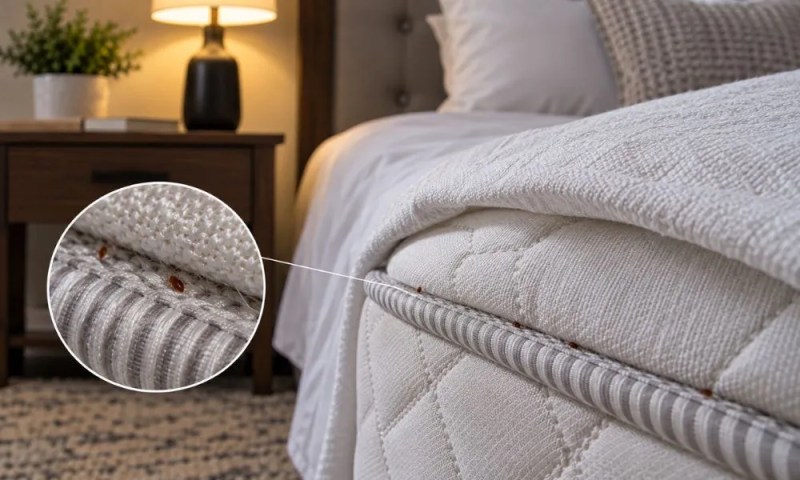
Their flat bodies allow them to squeeze into incredibly narrow spaces, making them difficult to detect during a casual inspection. They typically leave their hiding places only long enough to feed before returning to concealed locations.
Common bed bug hiding places include:
- Mattress seams and piping
- Box springs
- Bed frames
- Headboards
- Nightstands
- Upholstered furniture
- Baseboards
- Behind loose wallpaper
- Electrical outlets
- Wall voids
- Picture frames
- Curtains and fabric folds
- Luggage and backpacks
Many homeowners inspect only the mattress, unaware that bed bugs may already be hiding throughout the room.
By the time bites become noticeable, the infestation has often spread well beyond the bed itself.
Bed Bug Eggs Often Survive DIY Treatments
Even when homeowners successfully kill live bed bugs, eggs frequently remain behind.
Female bed bugs lay tiny eggs in cracks, crevices, seams, and hidden locations throughout an infested room. These eggs can be extremely difficult to detect without a detailed inspection.
Many over-the-counter products have limited effectiveness against bed bug eggs. As a result, homeowners may believe the infestation has been eliminated, only to discover new bed bugs several weeks later as eggs begin to hatch.
This cycle is one of the most common reasons infestations appear to return after treatment.
Most DIY Bed Bug Sprays Only Kill What You Can See
Store-bought bed bug sprays typically work through direct contact.
The problem is that bed bugs spend very little time exposed.
A spray may kill bed bugs crawling on a mattress surface, but it often has little impact on bed bugs hiding inside furniture, behind baseboards, or within wall voids.
Without reaching the areas where bed bugs actually live, treatment effectiveness can be limited.
For this reason, visible reductions in activity do not necessarily indicate that the infestation has been eliminated.
Why Foggers and Bug Bombs Rarely Work
One of the most common DIY mistakes involves the use of total-release foggers, often referred to as bug bombs.
While foggers may kill some exposed insects, bed bugs typically remain protected inside cracks, furniture joints, and other hidden locations.
In some situations, foggers may even cause bed bugs to disperse into new areas of the home.
This can make infestations more difficult and more expensive to treat later.
Because bed bugs are skilled at avoiding exposed areas, foggers rarely provide complete control.
DIY Heat Treatments Often Fall Short
Many homeowners learn that heat can kill bed bugs and attempt to perform their own heat treatment.
While heat is an effective bed bug control method, successful treatment requires specific temperatures to be achieved throughout all infested areas.
Professional heat treatment systems are designed to raise temperatures high enough to eliminate both bed bugs and their eggs while continuously monitoring conditions throughout the structure.
Space heaters, hair dryers, portable heaters, and raising a home’s thermostat generally do not provide the same level of effectiveness.
Inconsistent temperatures may leave portions of the infestation untouched.
Why Bed Bugs Are a Growing Concern in West Palm Beach
West Palm Beach experiences year-round tourism, business travel, seasonal visitors, and population movement.
Because bed bugs are expert hitchhikers, they are commonly introduced through:
- Luggage
- Clothing
- Used furniture
- Hotels
- Vacation rentals
- Apartment complexes
- Public transportation
Unlike many seasonal pests, bed bugs can remain active indoors throughout the entire year.
This makes early detection and prompt treatment particularly important for West Palm Beach homeowners.
Signs Your DIY Bed Bug Treatment Has Failed
If you continue noticing any of the following signs after treatment, the infestation may still be active:
- New bites appearing overnight
- Live bed bugs
- Bed bug eggs
- Shed skins
- Small black fecal spots
- Activity spreading to additional rooms
- Bed bugs appearing weeks after treatment
These indicators often suggest that portions of the infestation survived the initial treatment.
When Should You Call a Professional Bed Bug Exterminator?
Bed bugs reproduce quickly and become more difficult to control as populations increase.
Professional treatment may be necessary when:
- Bed bugs continue appearing after DIY treatment
- Multiple rooms show signs of activity
- Bed bug bites continue occurring
- You discover eggs or live bed bugs after treatment
- The infestation involves an apartment, condo, or shared wall structure
A professional inspection can help determine the extent of the infestation and identify areas that may have been overlooked.

How Nextgen Pest Solutions Helps West Palm Beach Homeowners
At Nextgen Pest Solutions, we understand that every bed bug infestation is different.
Our team performs detailed inspections to identify active harborage areas, evaluate infestation severity, and recommend the most effective treatment strategy for each property.
Depending on the situation, treatment options may include targeted applications, monitoring programs, Cryonite® freezing technology, and professional heat treatment solutions designed to address bed bugs at every stage of their life cycle.
The goal is not simply to reduce bed bug activity, but to eliminate the infestation and help prevent future problems.
What Is Cryonite® Treatment for Bed Bugs?
Cryonite® treatment is a professional, non-toxic bed bug control method that uses carbon dioxide (CO₂) converted into dry ice particles at extremely low temperatures. When applied directly to bed bugs and their hiding places, the freezing process kills bed bugs on contact without leaving behind chemical residues.
Because Cryonite® leaves no moisture or chemical residue, it is well suited for treating sensitive areas such as mattresses, upholstered furniture, electronics, cracks, and crevices where traditional insecticide applications may not be appropriate. The freezing process can quickly kill exposed bed bugs and nymphs on contact. However, because no single treatment is ideal for every infestation, Cryonite® is often used alongside other professional treatment methods as part of a customized bed bug management plan.
Conclusion
Bed bugs are among the most challenging pests homeowners can encounter. Their ability to hide in small spaces, survive for extended periods, and reproduce quickly makes complete elimination difficult without a comprehensive treatment strategy.
While DIY treatments may reduce visible activity, they often fail to address hidden bed bugs and eggs that allow infestations to continue.
For West Palm Beach homeowners dealing with recurring bed bug problems, early intervention and Professional Bed Bug Treatment can often prevent a small infestation from becoming a much larger issue. At Nextgen Pest Solutions, we help homeowners identify, treat, and prevent bed bug infestations using proven treatment methods designed for long-term results.
