
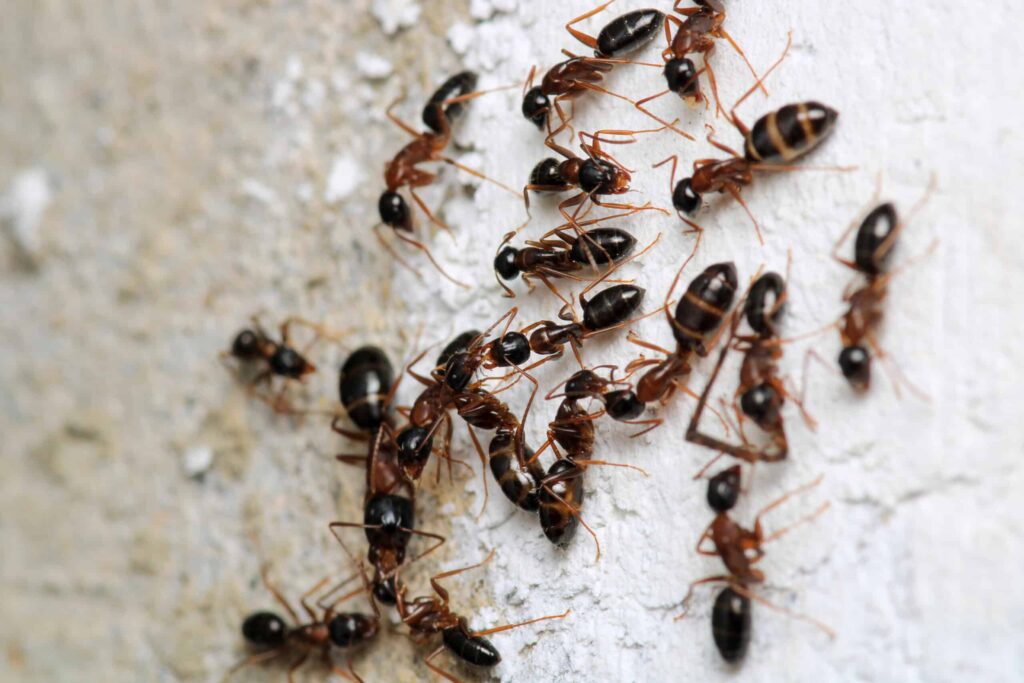
Due to Florida’s warm, humid climate, ant problems persist throughout the year. The climate is ideal for ant survival, and there are several species that create significant problems for home and business owners. Of all the 250+ species of ant that live in Florida, there are five types that we get called in for the most. Each of the top 5 pest ants in Florida brings different challenges, and each one requires a targeted strategy to control effectively.
Let’s take a closer look.
Key Takeaways
- Each of Florida’s top 5 pest ants behaves differently, and learning to identify them is the first step toward effective control.
- Using generic sprays won’t be effective; instead, you must use species-specific strategies that are based on behavior, nesting, and colony structure.
- Seasonal shifts give ants the upper hand, but proactive steps in spring, summer, fall, and winter help you stay in control year-round.
Top Five Pest Ants in Florida
Here are the top five pest ants in Florida and why they are such a nuisance.
- Ghost Ants
- Argentine Ants
- Carpenter Ants
- Red Imported Fire Ants
- Bigheaded Ants
Are you dealing with any of these top five pest ants? Here’s a quick reference table to help.
Florida’s Top 5 Pest Ants at a Glance
| Ant Species | Size & Color | Behavior | Nest Locations | Risks | Control Methods |
| Ghost Ant | 1.5 mm, pale legs, dark head | Forms sugar trails, moves nest frequently | Wall voids, potted plants, kitchens | Hard to detect, fast colony relocation | Sugar-based bait, ongoing monitoring |
| Argentine Ant | 2.5 mm, brown | Builds supercolonies, aggressive trails | Mulch, baseboards, wall voids | Rapid spread, colony splitting | Bait + non-repellent sprays, perimeter treatment |
| Carpenter Ant | 6–13 mm, black or red/black | Chews wood, nests in damp structures | Attics, crawlspaces, kitchens | Structural damage, frass piles | Locate nests, bait, apply dusts/foams, repairs |
| Fire Ant | 2–6 mm, reddish-brown, dark abdomen | Aggressive, swarming stings | Lawns, gardens, sidewalks | Painful stings, allergic reactions | Mound drenches, seasonal treatments |
| Bigheaded Ant | Workers small, heads oversized | Forms huge supercolonies, aggressive | Foundations, mulch, crawlspaces | Bites, root damage, hard to eliminate | Colony mapping, targeted perimeter treatments |
Meet the Top 5 Ants in Florida
If you are dealing with any of the top five pest ants in Florida, it is good to learn as much as possible about each species. By understanding how each species operates, it is far easier to create effective control strategies that work long term.
Here is a summary of the most common ant species we deal with here at Nextgen Pest Solutions.
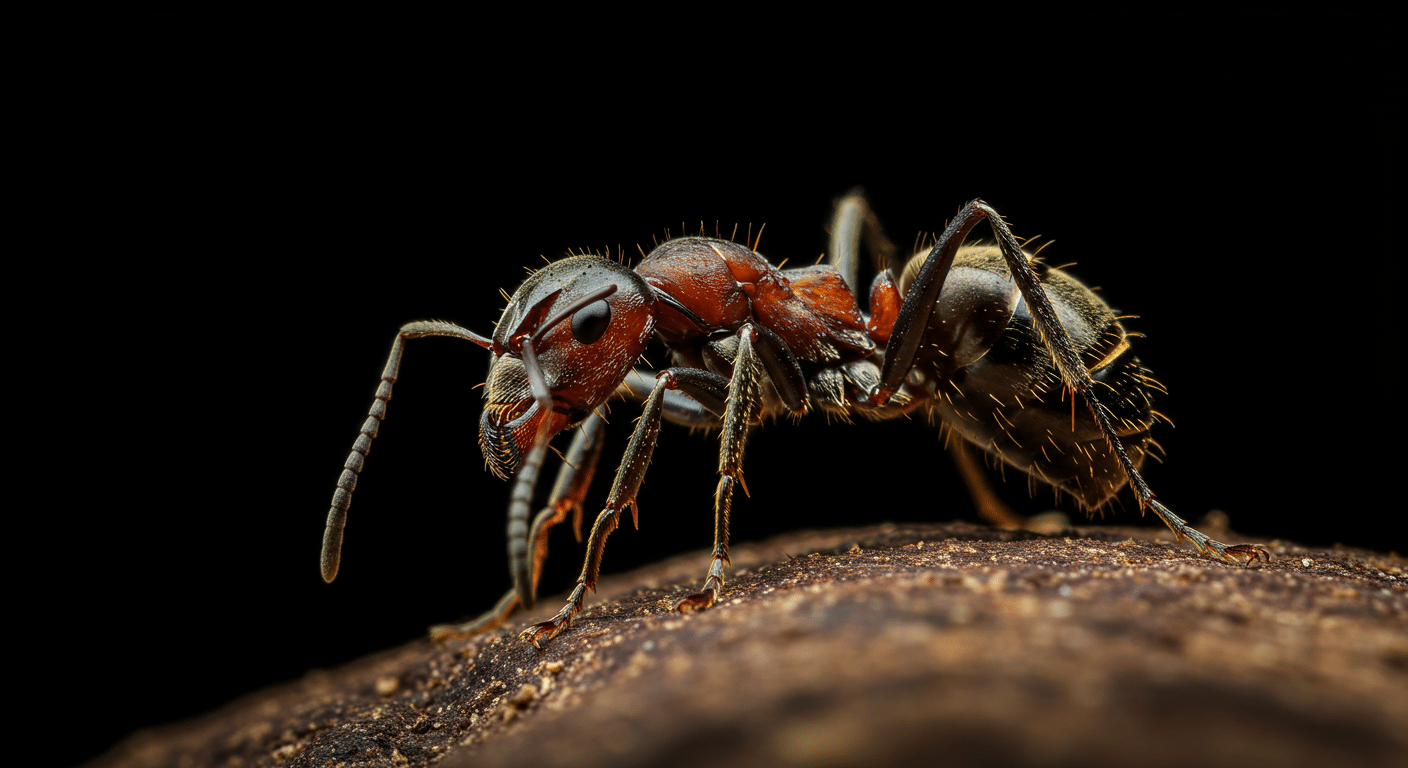
Ghost Ants
Ghost ants are some of the most common pest ants in Florida. They are very small (about 1.5 mm) and nearly transparent, making them difficult to detect early on. You’ll most often see these ants walking in very long lines in kitchens and around pantries because they like sugar-based food sources and moisture.
Ghost ants can be difficult to get rid of because they are transitory, moving their queen to new locations within the structures they inhabit whenever they feel that conditions are better elsewhere.
It usually takes a professional approach to identify and eliminate ghost ants completely. The process usually involves ongoing monitoring and a targeted approach that focuses on several possible nesting sites.
Argentine Ants
Argentine ants have several unique characteristics, making them fairly easy to identify. They are small, brown ants that are around 2.5 mm, and they make very big trails with a high volume of ants.
These ants are highly aggressive and can quickly take over your home or business due to the size of their colonies. This species builds supercolonies that have multiple queens and there can be a lot of distance between each queen. Argentine ants usually enter homes during dry periods or rainy seasons, and elimination can be difficult due to the sheer size of their colonies.
To get rid of Argentine ants, a multi-pronged approach is usually the best option. Baiting systems combined with non-repellant insecticides (to avoid colony splitting), and outdoor perimeter treatments work together for the best possible results.
Carpenter Ants
Carpenter ants are black or reddish-black ants that are among the largest pest ants in Florida. They are also some of the most destructive. At around 6-13 mm, carpenter ants can quickly chew through wooden framework, window sills, and many other wooden features around your home or business.
Carpenter ants are commonly spotted in kitchens, but they can also be found in attics and crawlspaces. Since these ants use wooden structures to build their nests, we usually see nest entrances where exposed wood is present. Unlike termites, carpenter ants do not eat wood. Because of that, they leave piles of frass (sawdust-like wood shavings) near their tunnel entries. One of the most significant issues with carpenter ants is that they can cause significant property damage.
Treatment for carpenter ants usually involves locating both parent and satellite nests and then deploying baiting systems and direct application of dusts or foams. Structural repairs and mechanical exclusion methods are also needed in most cases.
Red Imported Fire Ants
Red imported fire ants are reddish-brown and they have dark abdomens. Their size ranges from 2 to 6 mm, and they are primarily found outdoors, around sidewalks, playgrounds, and gardens. They build very large, dome-shaped mounds with many openings. These ants create supercolonies that can stretch very large distances, and multiple mounds can belong to the same colony.
The aggressive nature of these ants, along with their large numbers, makes them a threat to other ant species, pets, livestock, and even people. Their painful stings can cause secondary infections and allergic reactions, and in some cases even more severe problems.
Mound drenching is a popular method of fire ant eradication, but it does take experience to ensure complete fire ant elimination. The best results are often seen when treatments are repeated throughout peak seasons, especially if you see fire ant activity picking up around your home or business.
Bigheaded Ants
The bigheaded ant is another species that forms very large supercolonies, spanning areas as large as entire neighborhoods. Workers are small, but their workers have very large heads, which is where this species gets its name. Bigheaded ants build soil mounds around building foundations, in mulch beds, and even in crawlspaces.
Because these ants have such large colonies with several queens located at various places within the nest, completely eliminating them can be quite challenging. It’s worth the effort, though, as these ants create risks such as bites (they do not sting) and damage to root systems, foundations, and wiring. Our teams here at Nextgen Pest Solutions use colony mapping techniques to apply targeted treatments.
Myth-Busting: Ant Control Facts vs. Fiction
There are a lot of myths surrounding ant control, and while some are at least partially true, many are not. Here are some of the most common myths and the truth behind the belief.
Myth #1: Vinegar Eliminates Ants
- This is partially true. Vinegar will temporarily eliminate the presence of pest ants wherever you apply the vinegar. However, the treatment does not reach the queen in most cases. Because of that, ants will find new ways around the vinegar given enough time. Vinegar is best used as a temporary fix to an immediate ant presence. It should not be used as a standalone solution.
Myth #2: Boiling Water Kills Colonies
- This is not true. Boiling water will kill many ants on contact, but the water does not stay hot enough, long enough to be effective at depths where queens usually reside. Additionally, boiling water can cause damage to nearby plants, soil structure, and even nearby utility lines.
Myth #3: One-Time Sprays Can Fix the Problem
- For the same reason that hot water doesn’t kill an entire colony, contact sprays are also ineffective in most situations. While you may kill all of the visible ants, it is unlikely that the treatment will reach the queen. Additionally, many repellent sprays can cause colony splitting for species like Pharaoh and Argentine ants.
Myth #4: Natural Treatments Effectively Kill Pest Ants
- This is not true. There are mDany natural deterrents like cinnamon, citrus oils, vinegar, and peppermint that can be effective at keeping ants away from certain areas, but they won’t kill any ants. Other popular things that poeple try are coffee grounds, cucumber peels, and chaulk. However, these also only work as deterrents.
Seasonal Prevention Strategies
Depending on the time of year, there are a few prevention strategies that can both minimize your chances of getting an ant infestation, and limit the effects of one you are already dealing with. Here are some things you can do.
- Spring/Summer:
In the spring and summer, when ant colonies are growing fast, a lot of the best strategies involve prevention and and mitigation. Trimming back vegetation is one thing you can do.
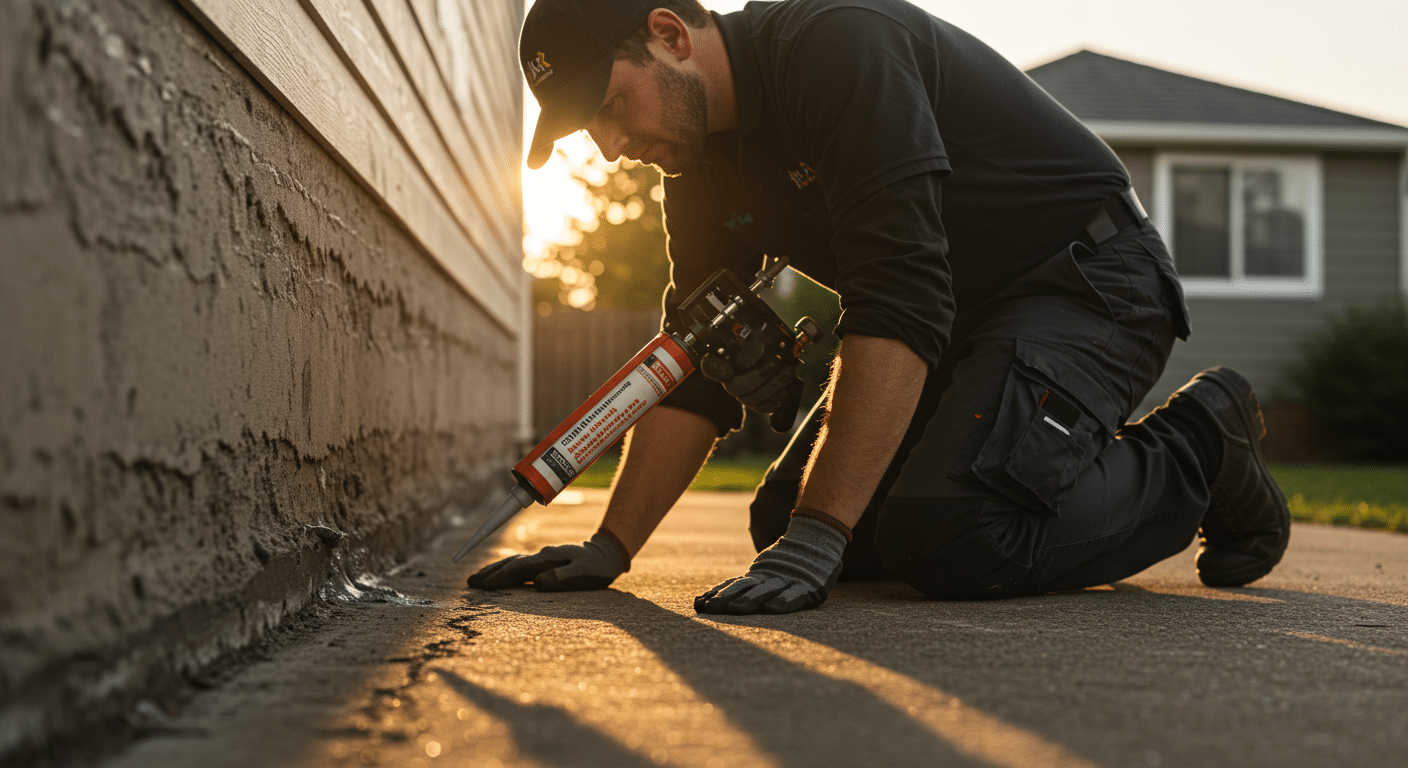
Many species, like carpenter, Argentine, and bigheaded ants, use branches and shrubs as bridges to reach your home. Another thing you can do is seal up cracks and structural gaps to create a barrier for species like ghost ants, pharaoh ants, and argentine ants.
Applying outdoor bait stations is also effective for ants with supercolonies because they bring the treatment deep into thier nests.
- Fall/Winter:
In the fall and winter, many ant species begin to seek shelter inside structures like your home or business. Keeping a close eye on common ant hot spots is always a good thing to do. Ghost ants, pharaoh ants, and Argentine ants are usually spotted in and around kitchens, laundry rooms, and bathrooms, because these species like to stay warm.
Some ants, including carpenter ants, like to nest in moist conditions. For these species, using a dehmidifier in your crawl space or basement can be a good idea.
Another thing you can do is deep clean hard-to-reach places in your kitchen. Ants like ghost and pharaoh ants love sugar and will inhabit any place they find a continuous supply of it.
FAQ
What ants sting vs. bite?
Of the top five pest ants in Florida, rad imported fire ants are the only ones that sting. They are very aggressive and will sting in large groups if you disturb their mounds or nests. Carpenter and bigheaded ants are known to bite, and their bites can be very painful. But their bites rarely break the skin.
Can ants cause electrical damage?
Many species of ants can cause electrical damage. Bigheaded ants and pharaoh ants are known to nest in outlets, junction boxes, and circuit boards. These ants can chew through wires and cause short circuits, causing potentially costly malfunctions.
How do I know if the queen is gone?
The best way to know if the queen in gone is to monitor for activity. Some colonies have one queen while others have several. If there are no signs of ant activity after about a week, chances are good that the queens have been eliminated.
Final Thoughts
Florida is home to a large number of ant species, and five stand out as the most common and problematic. Ghost ants, Argentine ants, carpenter ants, red imported fire ants, and bigheaded ants, each cause serious problems for home and business owners. By using targeted treatments that focus on the unique characteristics of each species, and by using integrated pest management principles, you can take control over any infestation you have. Call Nextgen Pest Solutions today for a free inspection, and say goodbye to your pest ants.