 Limited Time: Get $25 Off Your First Service

The Importance of Parking Locations in Preventing Spider in Cars
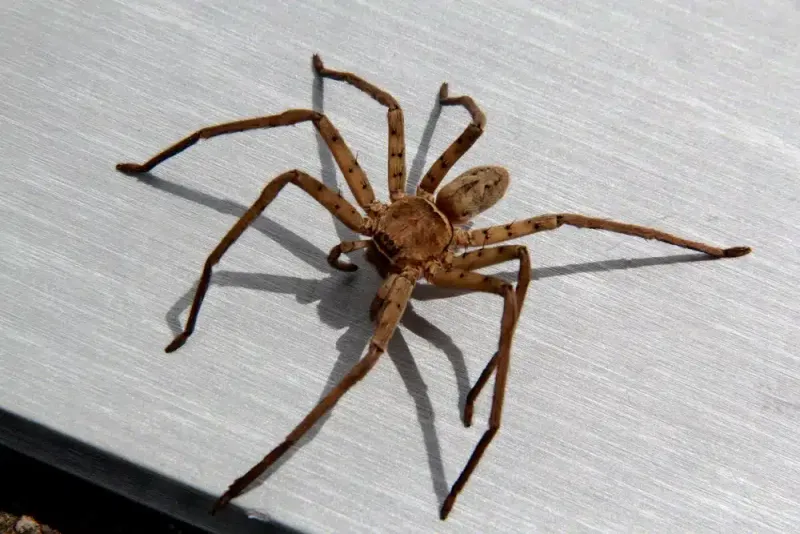
To avoid spider in car, park away from trees, bushes, tall grass, and trash bins where spiders and insects are commonly found. Choose paved parking areas, keep your vehicle clean, vacuum regularly, and inspect bags or belongings before bringing them inside. Sealing damaged door and window seals can also prevent spiders from entering. If spiders keep returning, consider professional spider control to address the problem.
TL;DR: Spiders enter cars through gaps around windows, doors, and trunks, through open windows, from the dark underside of the car, and on bags and belongings. Crumbs, trash, and clutter attract the insects spiders hunt. Park in well-lit, paved spots away from trees, bushes, tall grass, and trash bins. Vacuum regularly, seal damaged seals, and inspect items before bringing them in. Call a professional if webs keep returning, you see multiple spiders, or cleaning hasn’t solved it.
Key Takeaways:
- Spiders enter cars through cracks around windows, doors, and trunks, open windows, the underside of the car, and bags or boxes brought inside.
- Crumbs, trash, and clutter attract insects, and spiders follow the food.
- Well-lit, paved parking away from vegetation and trash bins gives spiders fewer places to hide.
- Vacuum floor mats, under the seats, vents, and seat crevices with a crevice tool.
- Repair damaged window seals, door insulation, and trunk linings to block entry.
- Recurring webs in vents, multiple spiders, or a problem that persists after cleaning calls for professional help.

How Do Spiders Get Into Cars and What Attracts Them?
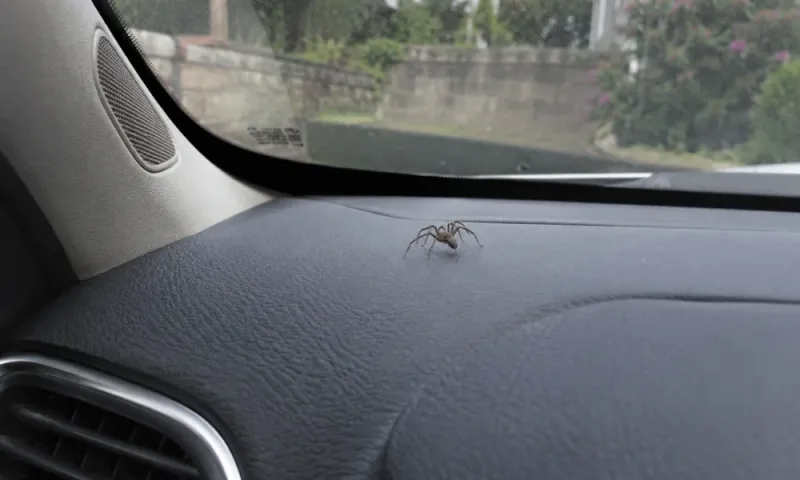
Spiders are clever and resourceful. They’re small enough to squeeze into tight spaces and are constantly searching for food and shelter. If you’ve spotted a spider in car, here are the most common ways these pests enter vehicles:
Entry Points Spiders Use:
- Cracks and crevices: Gaps around windows, doors, and trunks allow spiders easy access.
- Open windows or doors: Leaving your window slightly open overnight invites nocturnal spiders inside.
- Underneath the car: The dark, protected underside of your car is a convenient launching point for spiders to crawl up.
- Personal belongings: Spiders can hitch a ride on grocery bags, backpacks, boxes, and clothing.
What Attracts Spiders?
- Insects inside your car: Spiders go where the food is. If your car has crumbs or trash that attract bugs, spiders will follow.
- Dark and quiet spaces: Spiders love undisturbed areas like under seats, air vents, and glove compartments.
- Clutter: Piles of clothes, bags, or gear give spiders a perfect hiding place.
Understanding these entry points and attractions is the first step to prevention.
Where Should I Park to Prevent Spiders and Other Pests in My Car?
Parking in the wrong spot can increase your chances of spider encounters. Here’s how to choose a location that deters pests:
Tips for Pest-Free Parking:
- Well-lit areas: Spiders prefer the dark. Parking under streetlights or in well-lit garages makes your car less inviting.
- Avoid vegetation: Parking near bushes, trees, or flower beds brings you closer to insect habitats—and spiders that hunt them.
- Stay away from trash bins: Overflowing dumpsters and debris attract bugs, which in turn attract spiders.
- Park on paved surfaces: Dirt, grass, and leaf piles are ideal environments for pests. Asphalt and concrete provide fewer hiding places.
Even if you can’t always find the ideal parking spot, aiming for these conditions will help reduce spider activity in your car or home.
What Are the Best Ways to Prevent Spider in Car?
Once you understand why spiders enter your car, you can take proactive steps to keep them out. These pest prevention strategies are effective not just for spiders but for other pests like bed bugs and carpet beetles.
1. Keep Your Car Clean
- Remove all food wrappers, drink containers, and crumbs.
- Clean out the glove box, trunk, and storage compartments.
- Eliminate clutter that gives spiders places to hide.
2. Vacuum Regularly
- Focus on the floor mats, under the seats, air vents, and seat crevices.
- Use a crevice tool to reach hidden areas where bugs or webs might collect.
3. Try Natural Repellents
- Peppermint oil spray is commonly used to repel spiders. Mix water, peppermint oil, and a few drops of dish soap in a spray bottle and apply it to corners and door frames.
- Reapply frequently, especially after driving or cleaning.
4. Seal Entry Points
- Inspect and repair damaged window seals, door insulation, or trunk linings.
- If air can get in, so can pests. Use weather-stripping tape or professional sealing products if needed.
5. Avoid Storing Infested Items
- Inspect boxes, bags, and outdoor equipment before putting them in your car.
- Avoid storing clothes, shoes, or blankets in your vehicle for long periods.
These steps form the foundation of an integrated pest management (IPM) approach to dealing with a spider in car, minimizing pest access and making your car an unsuitable environment for spiders to survive.
How Can I Keep My Car Spider-Free with Professional Help?
If spiders keep coming back despite your best efforts, it may be time for a more advanced solution.
When to Call a Pest Control Expert:
- You notice recurring webs in air vents or under seats.
- You spot multiple spiders inside your vehicle.
- You’ve already cleaned and sprayed, but the problem persists.
- You suspect other pests (bed bugs, ants, carpet beetles) may be present.
What a Professional Can Do:
- Inspect your vehicle thoroughly for pest activity and hidden webs.
- Apply vehicle-safe chemical treatments with residual effects.
- Recommend exclusion solutions for sealing your car more effectively.
- Detail your car interior, removing webs, eggs, and pests from hard-to-reach places.
Why Choose Nextgen Pest Solutions?
- At Nextgen Pest Solutions, we specialize in safe, effective spider control for homes. Whether you need:
- A one-time spider treatment, or
- Ongoing pest monitoring.
We’ll customize a solution to fit your needs.
Final Thoughts
Finding a spider in car is unsettling, but it’s a common problem that can be solved with the right mix of pest prevention and professional care. From vacuuming regularly and sealing entry points to choosing well-lit parking spots and using peppermint spray, each action plays a role in keeping your car pest-free.
If you’re dealing with a stubborn spider infestation, contact Nextgen Pest Solutions today.
Frequently asked questions
Spider FAQ: Repellents, Egg-Laying, and Home Remedies
Get a free inspection when you book a pest control service.
What repels spiders immediately?
Peppermint essential oil mixed with water provides an immediate and natural deterrent that causes spiders to actively avoid treated areas.
What are spiders most afraid of?
Spiders are most afraid of large, unpredictable threats like humans or major predators, reacting to them by running away and hiding rather than fighting.
Do spiders lay eggs in cars?
Yes, spiders can and do lay eggs in and on cars.
What kills a spider instantly?
Physical crushing or a direct hit with a pyrethrin-based contact spray kills a spider instantly.
What is a good homemade spider killer?
A simple and effective homemade spider spray uses a mix of water, white vinegar, dish soap, and essential oils.