
Subterranean Termite Signs can cause costly problems when early signs are missed. Learn the signs, risks, and when to call Nextgen Pest approaches.
Key Takeaways About Subterranean Termite Signs
- Subterranean termites build mud tubes that may travel up concrete or stone foundations, connecting their nest in the soil to wooden structures. Spotting these tubes is one of the most recognizable warning signs.
- Wood damage from subterranean termites can show a distinctive pattern that helps distinguish their activity from other termite species. A professional inspection can confirm the type of termite involved.
- Subterranean termites can cause serious damage to wooden structures, sometimes requiring full replacement of affected materials. Early identification helps you address the problem before repair costs grow.
- Nextgen Pest approaches offers inspections, baiting programs using Trelona or Advance bait stations, spot liquid treatments, and ongoing monitoring to address subterranean termite activity around your home.
How to Identify Subterranean Termite Signs
Knowing what signs of subterranean termite activity look like helps you catch a problem before damage spreads deeper into your home’s structure. Subterranean termites leave behind a few distinct clues, and each one tells you something different about where the colony is feeding and how it moves through your property.
How to Tell Subterranean Termite Sign Types Apart
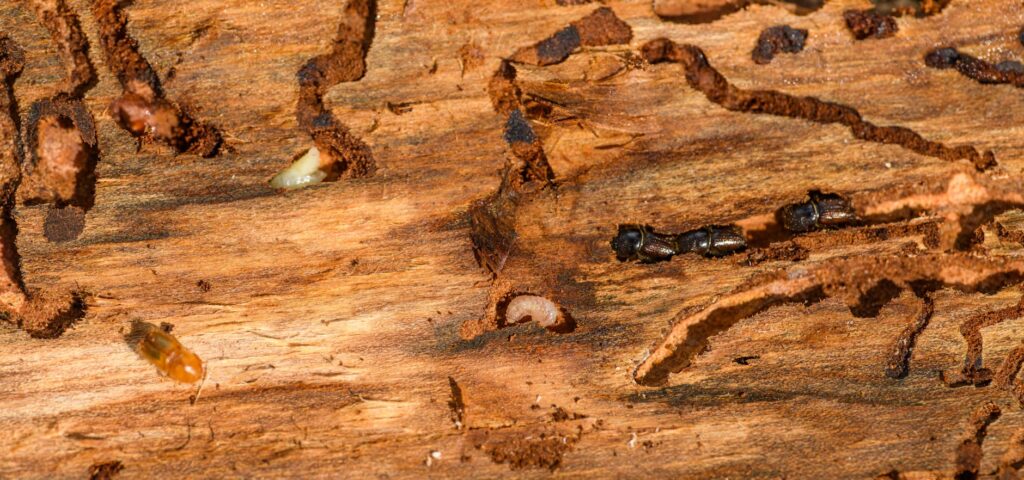
Subterranean termites feed in a way that generally follows the grain of the wood. They attack the softer springwood and leave the harder summerwood behind, creating a layered, almost honeycomb-like pattern. According to UC IPM, this distinctive pattern alone can often be used to distinguish subterranean termite activity from that of other species.
Another clue is the presence of mud tubes on hard surfaces. If you break a tube open, you may see live workers and soldiers running through it. Some species also deposit light-brown excrement within the cavities they create, which can appear when you expose damaged wood.
How to Spot Subterranean Termite Sign Activity Inside Your Home
Inside your home, signs of subterranean termite activity often show up where wood meets a foundation wall or concrete slab. Mud tubes running along interior walls or plumbing penetrations are a key indicator. You may also notice swarming termites indoors. Damaged wood that appears layered or hollowed along the grain points to subterranean feeding rather than other wood-destroying organisms.
Where Subterranean Termite Sign Activity Shows Up Around Homes
Around the exterior, mud tubes may appear on foundation walls, providing a protected pathway between the soil and the wood the colony is feeding on. Areas with wood-to-soil contact, stumps, or moisture sources are worth checking closely for signs of subterranean termite presence.
Exterior Entry Points Subterranean Termites Use
Subterranean termites build mud tubes to bridge gaps between soil and a structure. These tubes can appear on foundation walls, along concrete slabs, or near any point where the structure contacts the ground. Finding live workers and soldiers inside a broken tube confirms active activity at that entry point.
A professional inspection can identify the termite type, locate conducive conditions, and determine where activity exists around the structure. Nextgen Pest technicians hold certifications through University of Florida and University of Georgia programs and use current products and baiting systems designed for subterranean termite control.
Why Subterranean Termite Problems Develop
Subterranean termites depend on soil contact and moisture to survive, which means the conditions around your home play a direct role in whether signs of activity appear. Understanding where these termites nest, what draws them closer, and how they reach wood helps explain why problems can develop unnoticed over time.
Outdoor Nesting Areas for Subterranean Termites
Subterranean termites live in the soil and forage outward to find wood. According to the University of Georgia termite guide, they excavate galleries inside wood as they consume it, sometimes leaving only a thin wooden exterior behind. Their colonies stay rooted underground, so any undisturbed soil near your foundation can serve as a nesting zone. Stumps and wood-to-soil contact areas can also support nearby colony activity.
Food and Shelter That Attract Subterranean Termites
Wood is the primary draw. Unlike drywood termites, which need no soil contact or liquid moisture, subterranean species rely on the soil environment to maintain the humidity their colonies need. Areas where wood contacts damp ground create especially favorable conditions.
Moisture sources near your foundation, such as leaky irrigation or poor drainage, can make conditions more inviting for foraging workers searching for wood above ground.
How Subterranean Termites Move Around Homes
Colonies can spread to new locations through swarming. Native subterranean termite species typically begin swarming in January and are mostly finished by early June. The swarmers are black to caramel colored and measure 1/4 to 3/8 inch in body length. In the United States, the Formosan subterranean termite is an invasive species whose colonies can include a larger proportion of soldiers compared to eastern subterranean termites.
Trails and Entry Points Subterranean Termites Use
Shelter tubes, sometimes called mud tubes, are the most commonly seen evidence of a subterranean termite infestation. Workers build these tubes from soil and moisture to travel between their underground colony and the wood they feed on. Foundation walls and other hard surfaces are common places where these tubes appear.
Risks From Subterranean Termite Signs
When you spot mud tubes or swarmers around your property, the concern is not just cosmetic. Subterranean termites can cause structural damage throughout a home, and the signs you see on the surface often point to activity that has been underway for some time.
Structural Risks From Subterranean Termites
Termite damage can be extensive enough to require full replacement of affected components. According to Oregon State University Solve Pest Problems, damaged wood around features like windows may need to be removed and replaced entirely. Subterranean termites cause more costly structural damage than other termite types such as dampwood termites.
According to the EPA, termites cause billions of dollars in structural damage each year, and property owners spend over two billion dollars annually to treat them.
Hidden Termite Damage in Homes
Subterranean termite damage often stays out of sight. Workers build earth-hardened mud tubes using saliva mixed with soil and bits of wood or even drywall. These tubes allow termites to travel between the soil and wooden elements inside walls, floors, and other concealed areas. By the time visible signs appear, the underlying damage may already be well established.
The sudden appearance of winged swarmers crawling or fluttering around a mature colony is one common indicator that hidden activity is present.
Belongings and Moisture Risks From Subterranean Termites
Subterranean termites rely on moisture and soil contact, and their mud tubes can introduce moisture pathways into areas of your home that should stay dry. Any wooden belongings or structural wood in contact with their travel routes may be at risk of damage over time.
When a Subterranean Termite Sign Problem Needs Action
Any confirmed sign of termite activity warrants prompt attention. Mud tubes on foundation walls, swarmers inside your home, or damaged wood around structural features all point to an active or maturing colony. The longer activity goes unaddressed, the more wood may be affected. A professional inspection can help identify the type and scope of activity.
Professional Pest Control for Subterranean Termite Signs
When you spot mud tubes, damaged wood, or swarmers around your home, the next step matters. You can correct conditions that attract subterranean termites and replace damaged wood on your own. However, according to UC IPM, applications of registered products are highly regulated and require a licensed pest control professional to carry out the inspection and control program.
How to Reduce Attractants for Subterranean Termites
Homeowners can take steps to correct conducive conditions. Removing damaged wood from around your property and addressing wood-to-soil contact near the foundation are practical starting points. Placing bait stations near moisture sources and stumps can also help draw monitoring closer to likely activity zones.
However, correcting conducive conditions is only part of the picture. Control of subterranean termites in your structure is best left to a licensed professional.
Why Subterranean Termite Sign Control Starts With Inspection
Pest control professionals have special training to inspect your home for termite damage and signs of activity. A trained eye can distinguish between subterranean, drywood, and Formosan termite activity, and each type calls for a different approach. At Nextgen Pest, inspections identify both conducive conditions and active termite presence around the structure.
During an inspection, technicians evaluate the full perimeter. Bait station placement is planned based on the layout, with stations positioned every 10 feet around the structure, 2 to 3 feet from the foundation, and away from roof drip lines.
What to Expect During Professional Subterranean Termite Sign Treatment
Nextgen Pest uses baiting systems, soil treatments, and termiticide foundation trenching for subterranean termites. Trelona Advanced Termite Bait Stations come pre-loaded with two active cartridges containing the active ingredient Novaluron. This ingredient prevents termites from molting. Worker termites consume the bait and bring it back to colony members.
If live termites are found, liquid termiticide is applied to active areas for faster control. Foundation trenching creates a barrier that prevents subterranean termites from gaining access. It also has a transfer effect, allowing termites to spread it to each other.
What to Expect From a Subterranean Termite Sign Control Plan
Ongoing monitoring is a core part of any subterranean termite control plan. Trelona stations are inspected annually, while Advance stations are inspected quarterly, with cartridges replaced if more than 50% is consumed. Bait remains active for 2 to 4 years under typical conditions. Graphs and notes are updated at each visit for precise tracking.
Nextgen Pest approaches offers inspections, preventive programs, baiting programs, control treatments, and scheduled monitoring with full reporting and warranty protection. As a veteran-owned, Quality-Pro certified company, Nextgen uses cutting-edge products that stay ahead of what many competitors offer.
Bottom Line on Subterranean Termite Signs
Catching subterranean termite signs early gives you the best chance to address activity before wood damage progresses. Mud tubes on foundation walls, damaged wood with hollowed-out galleries beneath a thin exterior, and indoor swarmers are the primary indicators worth watching for. Because subterranean termites live in the soil and forage into structures, correcting conditions that invite them is something you can do on your own, but treatment itself requires a licensed professional. If you notice any warning signs, contact Nextgen Pest Approaches to schedule a termite inspection.
Frequently Asked Questions
What Is Usually the First Sign of Subterranean Termites?
Mud tubes on foundation walls or other hard surfaces are often the earliest visible clue. You may also spot swarming termites inside your home, which can indicate an active colony nearby. Either sign is worth a same-week inspection.
Can I Fix Termite Damage Myself?
You can replace damaged wood and correct structural conditions that attract subterranean termites. However, applying termite control products is highly regulated and requires a licensed pest control professional to handle properly.
How Do Bait Stations Help With Subterranean Termites?
Bait stations are installed in the soil around your foundation at regular intervals. Worker termites feed on the bait and share it with other colony members. Nextgen Pest approaches uses Trelona and Advance bait systems and monitors them on a scheduled basis to track activity.
What Structural Issues Make a Home More Vulnerable?
Structural deficiencies that promote moisture or create wood-to-soil contact can attract subterranean termite activity. Identifying and correcting these conditions is an important part of any prevention plan alongside professional monitoring.