Plantation Pest Seasonality: What Pests to Expect This Fall
Nextgen Pest Solutions
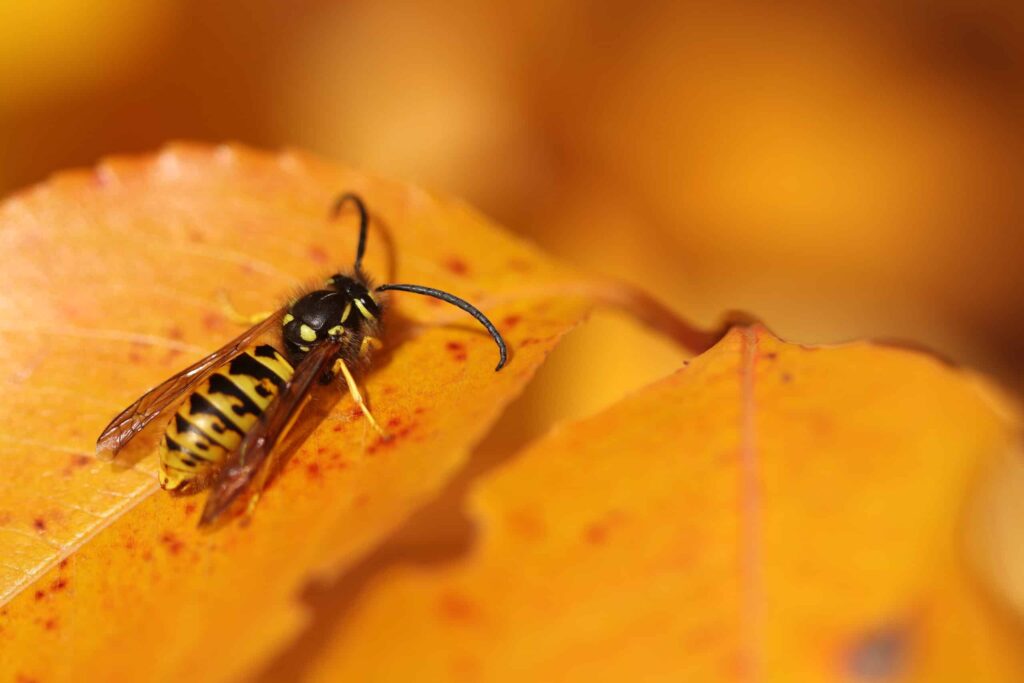
A striped wasp rests on a bright yellow flower petal in natural sunlight.
With cooler temperatures on their way, many home and business owners wonder whether there will also be a drop in pest activity. Unfortunately, that is just not the case. Plantation’s subtropical climate, dense vegetation, and plentiful food supplies support pests long after fall begins, with some species even increasing in number.
Key Takeaways
Pests stay active in Plantation throughout the fall due to favorable climate conditions and access to shelter.
Plantation’s most common fall pests are ants, cockroaches (palmetto bugs), roof rats, spiders, and mosquitoes.
Professional pest control in Atlanta provides targeted, long-term solutions for all of Plantation’s most active pests.
Why Pest Activity Stays High in Plantation During Fall
Plantation’s warm climate is the main reason that pests stay active in the area year-round. The warmth and humidity support breeding habits, and there aren’t any cold-related seasonal die-offs or hibernation cycles to slow these pests down. However, fall in Plantation brings cooler temperatures and increased rainfall, both of which push pests indoors.Pest activity stays high in the fall because of:
Mild temperatures: Fall weather in Plantation never gets cold enough to interrupt breeding. However, pests do seek out new nesting areas during seasonal weather condition changes.
Lingering humidity: Humidity levels remain elevated in the fall, and areas that collect moisture, like mulch, soil, and gutters, stay damp for longer periods of time.
Thick landscaping: Many pests find refuge and food in thick foliage. Palms and shrubs trap heat and moisture and can even create a bridge to help them access manmade structures.
Steady food access: Pests find food from pet dishes, fruit trees, and outdoor dining areas well into the fall.
Pest Type
When They Move Indoors (Fall)
Primary Reason for Indoor Movement
Where They Commonly Nest Indoors
Roof Rats
Late Sept – Nov
Cooler nights and declining food supply
Attics, wall voids, garages
Palmetto Bugs (American & Smoky Brown Roaches)
Sept – Oct
Moisture shifts and reduced outdoor humidity
Kitchens, bathrooms, wall voids
Ghost & Sugar Ants
Sept – Nov
Rain flushes colonies; outdoor food dries up
Behind baseboards, under sinks
Mosquitoes & No-See-Ums
Through Oct (gradual decline)
Warm weather and stagnant moisture persist
Entryways, garages, near indoor plants
Spiders
Oct – Dec
Follow prey indoors as temperatures dip
Corners, windows, storage rooms
House Mice
Oct – Jan
Seek warmth and consistent food sources
Pantries, attics, utility rooms
Most Common Fall Pests in Plantation, FL
The most common fall pests in Plantation are ants, cockroaches, rodents, spiders, and mosquitoes. These pests often come indoors in fall, so it’s important to know how to spot them and what to do if they infest your home.Here are the most common fall pests in Plantation, FL.
Ants
Ants move inside during the fall to protect their colony and find food. The most common species are ghost ants, white-footed ants, and sugar ants, and all of these can be found in kitchens, bathrooms, and any other area that provides food and water.Signs to watch out for are long lines of ants (around windows, sinks, and pantry shelves), small piles of dirt or debris on the floor just beneath a possible nest entry point, and an increase in sightings (especially after flooding or heavy rainfall).Most over-the-counter ant treatments are ineffective at eliminating entire ant colonies. Ant sprays often just target the visible worker ants, leaving the queen and brood untouched. These types of sprays can also cause ants to scatter, further complicating the problem.Non-repellant baits and perimeter ant control treatments used by licensed exterminators are the most reliable methods.
Palmetto Bugs
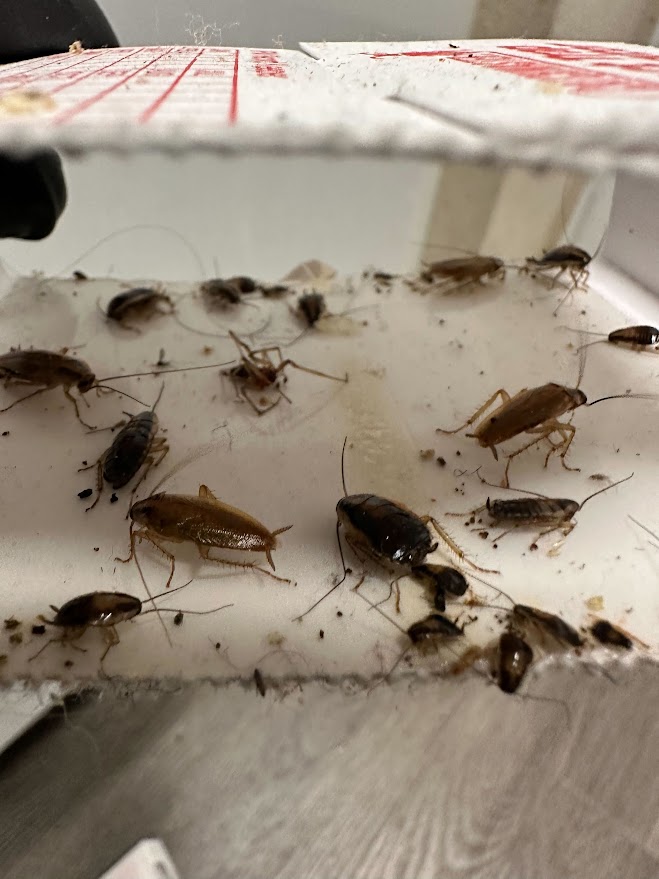
Palmetto bugs (American cockroaches) and smoky brown cockroaches are the most common roach species in Plantation. They thrive in the high humidity provided by sewers, mulch, and palm trees but migrate into homes through open windows and drains when fall sets in.The easiest way to tell if you are dealing with a full-blown roach infestation is to be aware of the signs. For larger infestations (especially in confined areas), a strong, musty (sometimes sour) odor is often detectable. You might also see droppings, egg casings, and shed skins along high-traffic routes and near nesting sites. The clearest sign is seeing these insects scurrying around during the night, especially just after turning the lights on in a dark room.Cockroaches are difficult to get rid of because they reproduce quickly and can adapt to over-the-counter treatments. Professional roach control companies combat this with commercial-grade insect growth regulators and residual barrier sprays.Palmetto bugs caught on a sticky trap – a common year-round pest in West Palm Beach.
Rodents
Rodents like roof rats and house mice are very common in the fall. As temperatures begin to drop, these pests seek out warmer areas to nest in. You’ll find them in places like attics, wall voids, crawl spaces, and any other closed-off space that provides them with the shelter they need.Rodents can be very stealthy, but there are a few easy ways to tell if you have an infestation. One is to listen for scratching and squeaking noises coming from the attic, crawl space, or behind the walls. Gnaw marks on wires, insulation, baseboards, and food storage containers are another common sign of rodent activity (https://www.epa.gov/rodenticides/identify-and-prevent-rodent-infestations). And where you see evidence of chewing, it is possible to see droppings in the same areas.Getting rid of rodents completely can be pretty challenging, especially if they are nesting in areas that are inaccessible. It is possible to catch a few of the adults as they search for food using snap traps, but for long-term results, you want a combined approach involving professional rodent removal, exclusion, and ongoing monitoring to catch any future activity before it becomes an issue.
Spiders
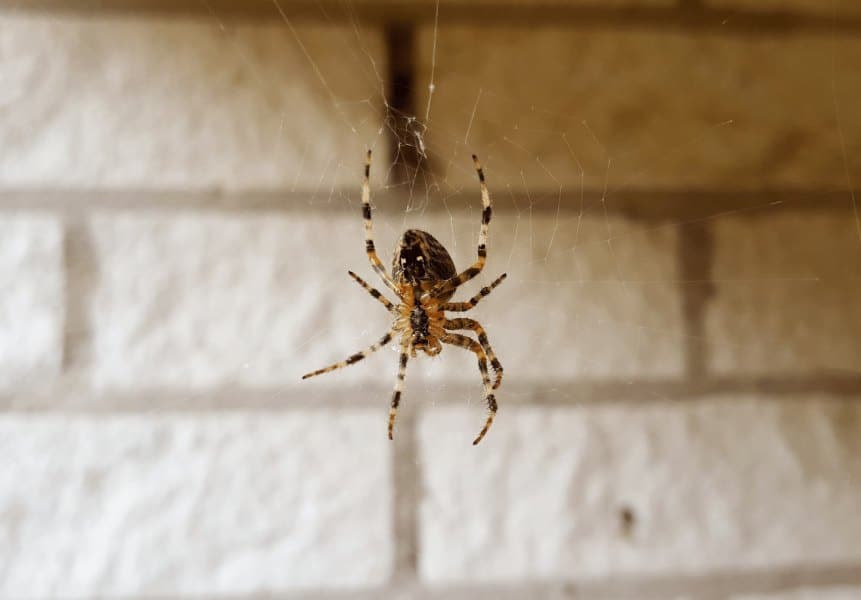
Spiders become very common during autumn because that is when their prey begins to move inside. The most prevalent species are orb-weavers, jumping spiders, and house spiders. Most of the pest spiders found in homes in Plantation are harmless to humans, but black widows have been reported.To understand whether you are dealing with a few random spiders just wandering into your home or if they have moved in, you’ll have to look for webs, shed skins, and the spiders themselves. At night, you might see spiders crawling across the floor looking for food or even sitting on a wall to wait for their prey. You might also see webs around windows, corners, and outdoor lights.One way to control spider populations is to reduce other types of pests. Since spiders follow their food source, they will not stick around if they can’t find anything to eat. To target spiders directly, professionals often remove webbing and apply a low-toxicity treatment to both kill and deter spiders from coming back.Spider resting on its web near a building wall.
Mosquitoes
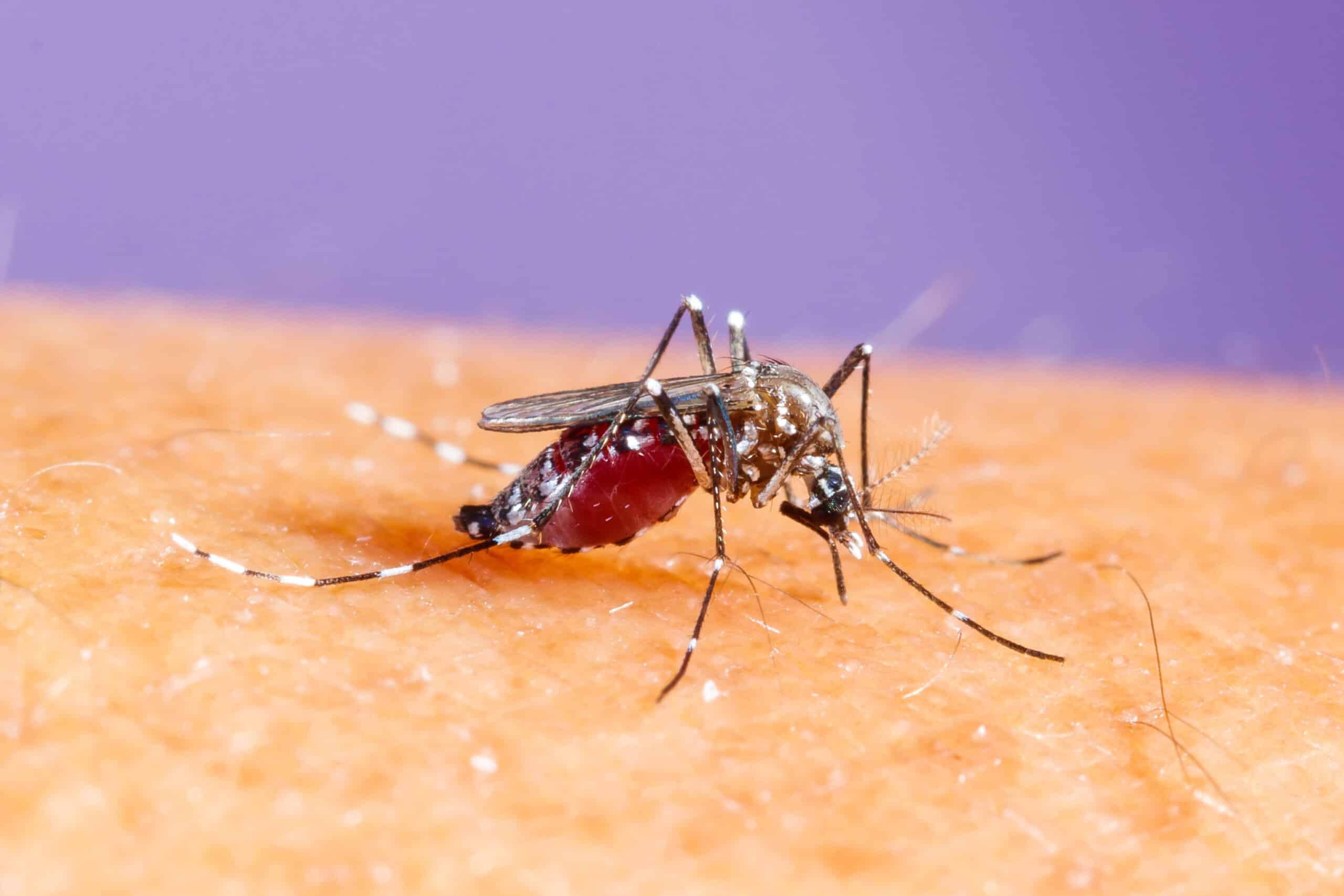
Mosquitoes and no-see-ums are active until late November because the additional rainfall provides them with all the moisture they need to breed. So, while it might seem like mosquito and no-see-um populations should be winding down in the fall, they are actually ramping up.When mosquitoes are present, they make themselves known pretty quickly. The constant buzzing and itchy red welts are hard to miss. Understanding whether you have an infestation on your property usually involves identifying increased bites in certain parts of it (like near thick vegetation or standing water) or seeing swarms hovering near gutters, fountains, bird baths, or any other water feature on it.In Plantation, DIY mosquito control is very difficult because these pests are so common. However, there are a few things you can do to minimize the chance of mosquito breeding on your property. For mosquitoes, the best thing you can do is manage standing water. For no-see-ums, manage areas that are always damp, like leaf litter, mulch, and garden beds.
Preventing Fall Pests in Plantation
The more you understand about the top 5 fall pests in Plantation, the better you can equip yourself to manage infestations that already exist and limit new pests from getting into your property, home, or business. That said, even with good prevention, pests can find a way in. Professional pest control services can make a big difference and add an extra layer of protection to keep your home pest-free.Call Nextgen Pest Solutions today to schedule your fall inspection and keep your Plantation home protected year-round.
Frequently Asked Questions
Can seasonal pest control reduce problems year-round in Plantation?Yes, scheduling seasonal pest control treatments can greatly reduce pest populations since they interrupt the breeding cycle, making it more difficult to establish a large population.Are certain neighborhoods in Plantation more prone to fall pest issues?Yes, areas with heavy foliage, canals, and even older trees experience higher numbers of pests.How can I tell if outdoor pest activity is coming from my yard or a neighbor’s property?The best way to check if the pests are nesting on your property is to look for signs like burrows, droppings, or consistent movement in particular areas.
Table of Contents
Contributor
Michael Holden, CEO
Nextgen Pest Solutions offers a wide range of pest control services.
Start My Pest Control Plan
Limited time: get $25 off your first service.
A helpful member of our team will follow up within 5 minutes during business hours to give you your free quote.
Frequently asked questions
Pest Control FAQs
Questions homeowners ask before their first call.
How fast can you come out?
Same-day and next-day pest control is available in most cases. For urgent infestations, 24-hour emergency service is also available. Response time depends on location and technician availability, but many requests are handled within hours.
What makes Nextgen different from other pest companies?
More than 60% of technicians are veterans, and every team member is trained and certified through leading programs, including the University of Florida and QualityPro Certified Technicians. The focus is on precision, accountability, and long-term pest prevention.
Are your treatments kid and pet friendly?
Yes. All treatments are kid and pet friendly. Your technician will tell you exactly when you can return to treated areas.
What happens if pests come back after treatment?
You’re covered. Active pest control customers get free re-treatments for covered pests between visits. One-time services offer optional 30-day coverage, and rodent exclusion includes a 1-year warranty.