 Limited Time: Get $25 Off Your First Service

Fungus Gnats vs. Drain Flies: How to Tell Them Apart
Fungus gnats vs drain flies are easiest to distinguish by appearance: fungus gnats have slender, mosquito-like bodies and long legs, while drain flies have fuzzy bodies and broad, moth-like wings. Fungus gnats typically breed in moist soil, while drain flies develop in organic buildup inside drains. Both can appear around bathrooms and sinks, making identification important before treatment.
Key Takeaways
- Fungus gnats are slender, mosquito-like insects commonly found around moist soil.
- Drain flies have fuzzy, moth-like wings and typically breed in drain sludge.
- Fungus gnats can sometimes reproduce in drains containing moist organic debris.
- Small gnats in bathrooms without plants may indicate hidden moisture or another fly species.
- Removing breeding sources is essential for long-term control.
Fungus Gnats vs. Drain Flies: Key Differences
When comparing a fungus gnat vs drain fly, examine their wings, body shape, behavior, and breeding locations.
| Feature | Fungus Gnats | Drain Flies |
|---|---|---|
| Appearance | Slender, mosquito-like | Fuzzy, moth-like |
| Size | 1/16 to 1/8 inch | 1/16 to 1/4 inch |
| Wings | Narrow, clear or smoky | Broad, hairy |
| Legs | Long and slender | Less prominent |
| Flight | Weak, often near soil | Short, fluttering flights |
| Breeding sites | Moist soil and organic debris | Drain biofilm and sludge |
| Larvae | Pale with dark heads | Worm-like, found in organic film |
| Main concern | Nuisance, possible plant damage | Nuisance, moisture or sanitation issues |
The most noticeable difference between drain flies and gnats is their wings. Drain flies resemble tiny moths, while fungus gnats look like miniature mosquitoes.
What Do Fungus Gnats Look Like?
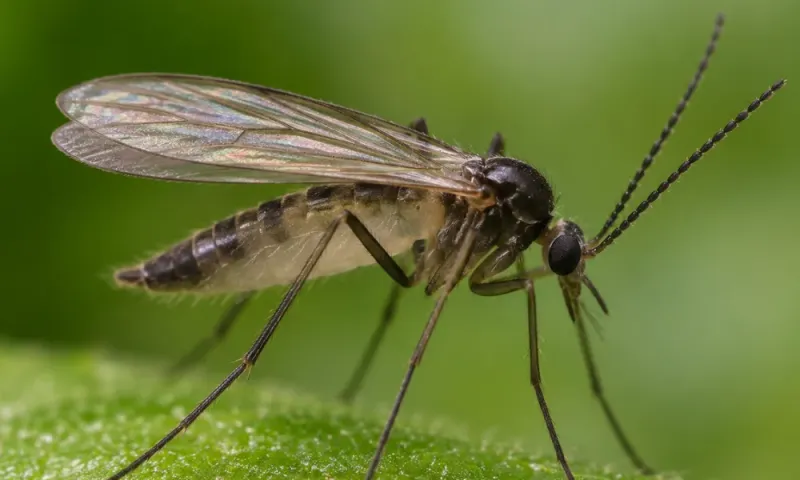
Fungus gnats are tiny, dark-colored flies commonly found around damp houseplant soil.
For fungus gnat identification, look for:
- Dark gray or black, slender bodies
- Long, thin legs and antennae
- Narrow, transparent or smoky wings
- Weak flight near plants and windows
When viewing a gnat up close, its long legs and antennae are particularly noticeable.
If you’re wondering what does a fungus gnat look like, imagine a miniature mosquito without the long biting mouthparts.
Adult fungus gnats do not bite humans, but their larvae may damage young plant roots during heavy infestations.
What Do Drain Flies Look Like?
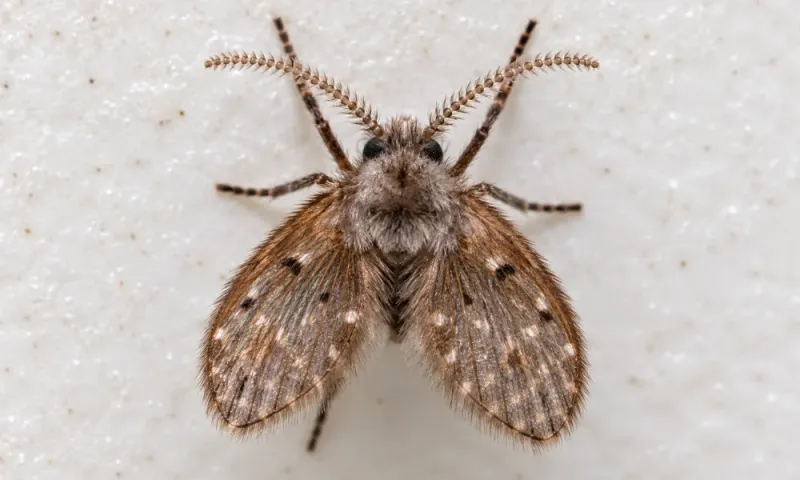
Drain flies, sometimes called moth flies or drain gnats, have fuzzy bodies and broad wings covered in fine hairs.
Unlike fungus gnats, they resemble miniature moths and often rest on bathroom walls near plumbing fixtures.
Common characteristics include:
- Gray, brown, or black coloration
- Broad, hairy wings
- Fuzzy bodies
- Short, weak flights
If you’re wondering what do drain gnats look like, examine their wings. Their rounded, hairy appearance is a useful distinguishing feature.
Drain flies commonly emerge from organic buildup inside sinks, showers, and floor drains.
Fungus Gnats vs. Fruit Flies vs. Drain Flies
Fruit flies are another common source of confusion when identifying tiny household insects.
| Feature | Fungus Gnats | Fruit Flies | Drain Flies |
|---|---|---|---|
| Body | Slender, dark | Rounded, often tan | Fuzzy, gray or brown |
| Wings | Narrow | Clear | Broad, hairy |
| Common location | Damp soil | Fruit and fermenting food | Drains and sinks |
| Breeding source | Moist organic soil | Fermenting matter | Organic drain sludge |
When comparing fungus gnats vs fruit flies, look at body shape and legs. Fungus gnats have slender bodies and long legs, while common fruit flies have rounder bodies and often reddish eyes.
This fruit fly vs drain fly vs gnat comparison helps identify which breeding source deserves attention.
For more information, see our fruit fly vs fungus gnat comparison.
Drain Fly vs. Gnat: Behavior and Breeding Differences
The difference between drain flies and gnats becomes clearer when examining where they reproduce.
Fungus gnats prefer damp soil and decomposing organic material. Adults often hover around houseplants, while larvae feed on fungi and organic debris.
Drain flies develop in gelatinous organic buildup lining drains. Adults usually rest on nearby walls and make short, fluttering flights when disturbed.
When comparing drain flies vs fungus gnats, consider these locations:
- Houseplant soil: Fungus gnats are more likely.
- Shower drains: Drain flies are more likely.
- Windows: Either may gather around light.
- Leaking plumbing: Both may occur where organic debris remains damp.
These patterns help distinguish a drain fly vs gnat, but physical identification is still necessary.
How to Identify Fungus Gnat and Drain Fly Larvae
Larvae identification can help locate an infestation’s breeding source.
Fungus gnat larvae are small, translucent or whitish, worm-like organisms with distinctive dark head capsules. They commonly develop in moist soil.
Drain fly larvae are elongated, legless organisms found in wet organic buildup inside drains.
If you’re wondering what does fungus gnat larvae look like, inspect damp potting soil for pale larvae with dark heads.
Avoid directly handling unidentified larvae or contaminated drain material.
How to Confirm Which Fly Is in Your Home
Use these three methods to identify the insect before treatment.
1. Examine the adults. Look for slender bodies and long legs in fungus gnats or fuzzy wings in drain flies.
2. Check houseplant soil. Place yellow sticky traps near moist soil to monitor fungus gnat activity.
3. Test suspicious drains. Place clear sticky tape across part of a drain opening overnight without completely blocking airflow. Captured emerging flies suggest a possible drain breeding source.
If multiple species are present, professional identification may be necessary.
Can Fungus Gnats Live in Drains?
Yes, fungus gnats can live in drains containing enough moisture and decomposing organic material to support their larvae.
Although fungus gnats usually reproduce in soil, some can develop in drain buildup.
If you notice gnats coming from drain openings, possible breeding sources include:
- Sink and shower drains
- Drain pipes containing organic debris
- Floor drains with standing moisture
- Leaking plumbing and damp material nearby
Do gnats lay eggs in drains? Some fungus gnats can deposit eggs in moist organic debris, while drain flies commonly lay eggs in the film lining drains.
The University of Maryland Extension explains that fungus gnats can develop in drains containing moist organic matter.
If gnats in drains keep appearing, removing their breeding material is more effective than simply trapping adults.
Why Are There Fungus Gnats in My Bathroom?
Fungus gnats in bathroom areas can indicate moisture, nearby plants, or hidden organic debris.
However, small gnats in bathroom spaces are not automatically fungus gnats. Drain flies and other small flies may look similar.
If you’re finding fungus gnats in bathroom no plants, inspect:
- Sink and shower drains
- Leaking pipes beneath cabinets
- Damp organic debris
- Wet areas around plumbing
- Nearby rooms containing infested plants
Fungus gnats in house no plants may sometimes originate from hidden moisture sources, although proper identification is necessary.
If insects repeatedly appear around one sink, inspect it for organic buildup and determine whether flies are emerging from the drain.
Read our guide on how to get rid of gnats for additional prevention advice.
How to Get Rid of Fungus Gnats and Drain Flies
Successful control requires eliminating the breeding source rather than treating adult insects alone.
Getting Rid of Fungus Gnats
- Allow the upper soil layer to dry appropriately between waterings.
- Empty standing water from plant saucers.
- Remove decaying leaves and organic debris.
- Improve drainage in overwatered pots.
- Use yellow sticky traps to monitor adults.
Getting Rid of Drain Flies
- Identify the affected drain.
- Scrub accessible organic buildup using a suitable drain brush.
- Clean drain stoppers and accessible traps.
- Repair leaks and eliminate persistent moisture.
- Consider suitable enzyme-based drain maintenance products according to their labels.
If you’re researching how to get rid of fungus gnats in drains, focus on removing moist organic debris that supports larvae.
Avoid relying solely on bleach or boiling water, which may not eliminate breeding material.
Get Professional Fly Control From Nextgen
If fungus gnats or drain flies keep returning despite cleaning and moisture control, hidden breeding sources may be sustaining the infestation.
Nextgen Pest Solutions provides professional fly control services to help identify breeding sources, address active infestations, and prevent recurring fly problems.
Contact Nextgen today to schedule an inspection and get help controlling flies in your home.
Frequently asked questions
Fungus Gnats vs. Drain Flies FAQ
Get a free inspection when you book a pest control service.
What is the difference between drain flies and gnats?
Drain flies have fuzzy, moth-like wings and breed in drain sludge, while fungus gnats are slender insects commonly associated with moist soil.
Do fungus gnats live in drains?
Yes, fungus gnats can reproduce in drains containing sufficient moisture and organic debris.
Why are there fungus gnats in my bathroom with no plants?
Hidden moisture, organic debris, or nearby breeding locations may explain their presence, although other fly species should also be considered.
What does fungus gnat larvae look like?
Fungus gnat larvae are small, pale, worm-like organisms with dark head capsules.
How long does a gnat infestation last?
An infestation can persist through repeated generations until breeding sources are removed and moisture problems are corrected.