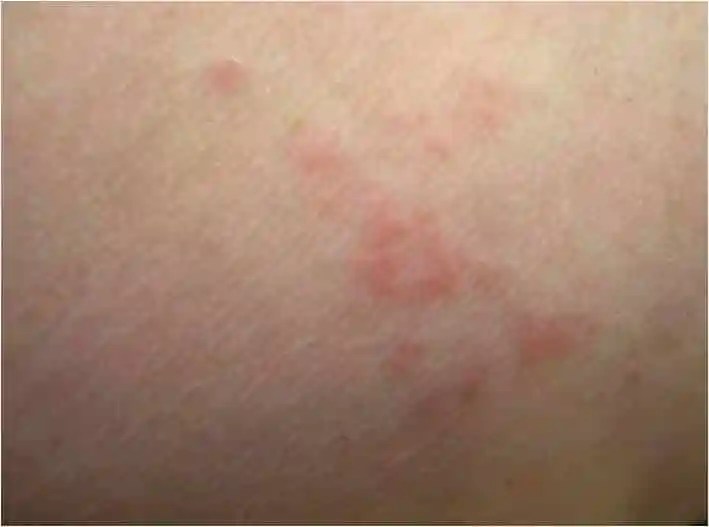
Quick answer: Bug bite identification comes down to three clues — the bite’s appearance, its pattern (single vs. clustered vs. lined-up), and where on the body it shows up. Mosquito bites are round and random; bed bug bites line up in rows; flea bites cluster at the ankles; tick bites are often painless with the tick still attached.
Have you ever woken up with itchy red bumps and wondered, “What bug bit me?”
You’re not alone.
Every year, millions of Americans experience insect bites from mosquitoes, bed bugs, fleas, ticks, ants, and other biting pests. While many bug bites are harmless and disappear within a few days, others can cause allergic reactions, infections, or even transmit serious diseases.
The challenge is that many bug bites look surprisingly similar. A mosquito bite can resemble a flea bite. Bed bug bites are often mistaken for spider bites. Even skin conditions like hives or contact dermatitis can mimic insect bites.
That’s why bug bite identification starts with more than just the bump itself. Appearance, location on your body, bite pattern, symptoms, and even the time of day can all help identify the culprit.
This guide walks through step-by-step bug bite identification for the most common pests, explains their symptoms, covers safe treatment, flags warning signs, and shows you how to reduce your chances of getting bitten again.

Quick Bug Bite Identification Chart
| Pest | What the Bite Looks Like | Common Location | Itching | Pain | Disease Risk |
|---|---|---|---|---|---|
| Mosquito | Raised, round, red bump | Any exposed skin | High | Low | Moderate |
| Bed Bug | Small red welts in lines or clusters | Arms, neck, shoulders, back | High | Low | Low |
| Flea | Tiny red bumps with a darker center | Ankles, feet, calves | Very High | Low | Moderate |
| Tick | Small bump or bullseye rash | Legs, waist, scalp | Low | Usually painless | High |
| Fire Ant | Raised red bumps that develop into white pustules | Feet and legs | High | High | Low |
| Bee or Wasp | Large swollen area surrounding the sting | Anywhere | Moderate | High | Allergy risk |
| Chigger | Intensely itchy red bumps | Waistline, ankles, behind knees | Extremely High | Low | Low |
| No-see-ums (Biting Midges) | Tiny clustered red spots | Arms, legs, neck | Very High | Low | Low |
| Spider | Single swollen bite, occasionally blistering | Anywhere | Variable | Variable | Rare |
Use this chart as a starting point for bug bite identification, but keep reading — the sections below go deeper into each pest so you can confirm what’s actually behind your bites.
Important: A bite alone isn’t always enough to identify the insect. Doctors and pest professionals also consider where the bite occurred, your recent activities, whether pets are present, travel history, and signs of pests around your home.
Why Do Bug Bites Affect People Differently?
Bug bites affect people differently because of individual immune responses, not the insect itself. Insects react to your blood and body chemistry; your immune system then determines how visible or itchy the bite becomes — which is why two people sleeping in the same bed can wake up with very different results.
One person may wake up covered in itchy welts, while the other has no visible bites at all.
When a biting insect feeds, it injects saliva into the skin. That saliva contains proteins that prevent your blood from clotting while the insect feeds. Your immune system recognizes those proteins as foreign and releases histamine, which causes redness, swelling, and itching.
Some people have strong immune responses and develop large itchy welts, while others experience little or no reaction. Children often react more dramatically than adults, and repeated exposure can change how your body responds over time.
For example, many people don’t react to their first bed bug bites but develop stronger reactions after repeated exposure. This is one reason bug bite identification can be tricky within the same household — everyone’s reaction looks different even when the same pest is responsible.
How to Identify a Bug Bite: Look at the Pattern, Location, and Timing
Although many bites look alike, several clues can help narrow down the culprit and make bug bite identification easier.
Look at the Bite Pattern
Patterns often tell a story.
- Random individual bites are commonly caused by mosquitoes.
- Multiple bites in straight lines or zigzags often suggest bed bugs.
- Tight clusters around the ankles usually indicate fleas.
- A single attached insect or bullseye rash points toward a tick.
The pattern is often more helpful than the bite itself for accurate bug bite identification.
Consider Where the Bite Appeared
Different insects prefer different parts of the body.
| Body Area | Possible Culprit |
|---|---|
| Ankles and feet | Fleas |
| Neck and shoulders | Bed bugs |
| Arms and exposed skin | Mosquitoes |
| Waistline | Chiggers |
| Scalp | Lice or ticks |
| Behind knees | Chiggers |
| Anywhere after hiking | Ticks |
Think About When It Happened
The timing of your bites can also provide clues.
- Morning after sleeping: Bed bugs are among the most likely causes because they feed at night while people sleep.
- After gardening or hiking: Ticks, chiggers, and fire ants are more likely.
- During the evening outdoors: Mosquitoes and biting midges are common offenders.
- Around pets or wildlife: Fleas become much more likely.
Mosquito Bite Identification
Mosquitoes are the most common biting insects in Florida and Georgia.
These flying insects locate people by detecting carbon dioxide, body heat, body odor, and even certain chemicals released through sweat.
What Do Mosquito Bites Look Like?
Mosquito bites are round, raised, red bumps that appear randomly on exposed skin within minutes of being bitten. They typically include:
- Round raised bumps
- Pink or red coloration
- Soft swelling
- Intense itching
- Random distribution on exposed skin
The bump often appears within minutes after being bitten and may continue itching for several days.
Why Do Mosquitoes Bite Some People More?
Research has shown that mosquitoes are more attracted to certain individuals.
Factors include:
- Higher body temperature
- Carbon dioxide production
- Pregnancy
- Certain blood types
- Sweat composition
- Dark-colored clothing
- Outdoor activity during dawn or dusk
This explains why one family member may receive dozens of bites while another receives very few.
Are Mosquito Bites Dangerous?
Most mosquito bites are harmless, but mosquitoes are capable of transmitting diseases such as:
- West Nile virus
- Dengue fever
- Eastern Equine Encephalitis (rare)
- Zika virus (rare in the U.S.)
According to the CDC, disease transmission remains uncommon in most residential settings, but preventing mosquito breeding around your property is still important.
Bed Bug Bite Identification
Bed bug bites are among the most commonly misidentified insect bites.
Because bed bugs feed while people sleep, many homeowners don’t realize they have an infestation until bites become frequent.
What Do Bed Bug Bites Look Like?
Bed bug bites are small, itchy red welts that typically appear in rows or zigzag clusters, often called the “breakfast, lunch, and dinner” pattern. In detail, they’re typically:
- Small red bumps
- Slightly raised
- Intensely itchy
- Arranged in rows, clusters, or zigzag patterns
A classic pattern is often called “breakfast, lunch, and dinner,” referring to three bites in a row as the insect searches for a blood vessel.
Where Do Bed Bugs Bite?
Bed bugs usually target exposed skin while you’re sleeping.
Common locations include:
- Arms
- Hands
- Neck
- Shoulders
- Upper back
- Face
Unlike fleas, bed bugs rarely concentrate around the ankles.
Can Bed Bug Bites Appear Days Later?
Yes.
Some people notice bites within hours. Others may not react for several days. This delayed reaction often makes it difficult to connect the bites to the actual source, which is why bed bug bite identification often relies on physical evidence rather than the bites alone.
Signs You May Have Bed Bugs
Bites alone don’t confirm bed bugs. Look for additional evidence such as:
- Small blood spots on sheets
- Tiny black fecal stains on mattresses
- Shed skins
- Live insects hiding in mattress seams
- Musty odor in severe infestations
Finding multiple signs strongly suggests a bed bug problem that requires professional treatment. Learn more about our bed bug treatment services or contact us for an inspection.
Flea Bite Identification
Flea bites are extremely itchy and usually affect people with pets or wildlife activity around the home.
Although fleas prefer feeding on animals, they’ll readily bite humans when given the opportunity.
What Do Flea Bites Look Like?
Flea bites are tiny, intensely itchy red bumps with a darker center, usually clustered around the ankles and lower legs. In more detail, they’re usually:
- Tiny red bumps
- Darker center
- Surrounded by redness
- Found in clusters
- Extremely itchy
Excessive scratching can lead to scabbing or secondary skin infections.
Why Are Flea Bites Usually Around the Ankles?
Unlike mosquitoes, fleas don’t fly. They jump.
Since they remain close to the floor, they most often bite feet, ankles, lower legs, and calves. This is one of the easiest ways to distinguish flea bites from bed bug bites during bug bite identification.
Signs of a Flea Infestation
Besides bites, you may notice:
- Pets scratching excessively
- Small jumping insects
- Flea dirt (tiny black specks)
- Bites appearing after walking on carpet
- Increased itching after sitting on upholstered furniture
Professional flea control should address both adult fleas and developing eggs throughout the home. See our flea treatment services for details.
Tick Bite Identification
Ticks are among the most medically significant biting pests in North America because they can transmit several serious diseases.
Unlike mosquitoes, ticks remain attached while feeding, sometimes for several days.
What Does a Tick Bite Look Like?
A tick bite usually looks like a small, painless red bump, sometimes with the tick still attached, and occasionally develops into a bullseye-shaped rash. In more detail, you may notice:
- A small red bump
- The tick still attached
- Mild swelling
- Occasionally, a bullseye-shaped rash
Not every tick bite produces the classic bullseye pattern, so its absence doesn’t rule out tick exposure.
Diseases Associated With Tick Bites
Ticks can carry diseases including:
- Lyme disease
- Rocky Mountain spotted fever
- Ehrlichiosis
- Anaplasmosis
- Alpha-gal syndrome (red meat allergy associated with Lone Star ticks)
Early diagnosis significantly improves treatment outcomes, according to the Mayo Clinic.
How to Remove a Tick Safely
If you discover an attached tick:
- Use fine-tipped tweezers.
- Grasp the tick close to the skin.
- Pull upward slowly with steady pressure.
- Clean the bite area with soap and water.
- Monitor the bite for rash or flu-like symptoms.
Avoid burning the tick, twisting it, or applying petroleum jelly, as these methods can increase the risk of disease transmission.
When Should You See a Doctor After a Tick Bite?
Seek medical attention if you develop:
- Fever
- Chills
- Muscle aches
- Severe headache
- Expanding rash
- Bullseye-shaped lesion
- Fatigue lasting several days
Prompt medical evaluation is especially important if the tick was attached for an extended period or you live in an area where tick-borne diseases are common. Explore our tick control services to reduce tick populations around your property.
Spider Bite Identification
Despite popular belief, true spider bites are relatively uncommon. In fact, many skin irritations that people assume are spider bites are actually caused by mosquitoes, fleas, bed bugs, bacterial infections, or allergic reactions.
Most spiders are not aggressive and only bite when they feel trapped or threatened.
Symptoms of a Typical Spider Bite
Most non-venomous spider bites cause:
- Mild redness
- Localized swelling
- Slight pain or tenderness
- Itching
- A small raised bump
These symptoms usually improve within a few days with basic first aid.
Venomous Spider Bites
While rare, some venomous spiders can cause more serious symptoms.
Black Widow Spider
A black widow bite may cause:
- Sharp pain at the bite site
- Muscle cramps
- Severe abdominal pain
- Sweating
- Nausea
- Elevated blood pressure
Brown Recluse Spider
Brown recluse bites are uncommon but can become serious. Symptoms may include:
- Redness surrounding the bite
- Blister formation
- Skin discoloration
- Tissue damage (in rare cases)
- Fever or chills
Seek immediate medical care if you suspect a bite from either of these spiders.
Fire Ant Sting Identification
Fire ants don’t technically bite — they bite to anchor themselves and then sting repeatedly.
They’re common throughout Florida and Georgia and are responsible for thousands of painful stings every year.
Fire Ant Sting Symptoms
Within a few hours, you’ll typically notice:
- Burning pain
- Red bumps
- Intense itching
- White, pus-like blisters (sterile pustules)
These blisters usually develop within 24 hours and should never be popped, as doing so increases the risk of infection.
Fire ants often sting multiple times, resulting in clusters of painful lesions.
Bee, Wasp, and Hornet Sting Identification
Unlike biting insects, bees, wasps, and hornets inject venom through a stinger.
Bee Stings
Honey bees leave their stinger behind. Symptoms include:
- Immediate pain
- Swelling
- Redness
- Warmth around the sting
Wasp and Hornet Stings
Wasps and hornets can sting multiple times. Symptoms often include:
- Sharp burning pain
- Large swollen area
- Redness
- Tenderness
People with allergies may experience anaphylaxis, a life-threatening emergency characterized by:
- Difficulty breathing
- Swelling of the face or throat
- Rapid heartbeat
- Dizziness
- Loss of consciousness
Call emergency services immediately if these symptoms occur.
Chigger Bite Identification
Chiggers are tiny mite larvae commonly found in grassy areas, wooded trails, and overgrown vegetation.
Contrary to popular myth, chiggers do not burrow into your skin. Instead, they attach briefly, inject digestive enzymes, and feed on skin cells before dropping off.
Chigger Bite Symptoms
You’ll often notice:
- Extremely itchy red bumps
- Small clusters
- Rash-like appearance
- Intense itching that peaks within 24–48 hours
Common locations include:
- Ankles
- Behind the knees
- Waistline
- Sock line
- Groin area
The itching may last for a week or longer.
No-See-Um (Biting Midge) Bite Identification
No-see-ums, also known as biting midges, are tiny flying insects that are especially common near Florida’s lakes, marshes, beaches, and coastal areas.
Because they’re so small, many people never see them.
Symptoms
Their bites often appear as:
- Tiny red dots
- Clusters of bumps
- Severe itching
- Small areas of swelling
People frequently mistake these bites for mosquito bites, although no-see-um bites are often itchier and appear in larger clusters.
Lice Bite Identification
Lice survive by feeding on human blood several times each day.
Their bites commonly occur on:
- The scalp
- Behind the ears
- Neck
- Occasionally the beard or body
Signs include:
- Persistent itching
- Small red bumps
- Visible nits (eggs) attached to hair shafts
- Scratching sores
Treatment requires eliminating both the lice and their eggs.
Mite Bite Identification
Several types of mites can bite humans, including bird mites and rodent mites.
These pests often become a problem after birds or rodents are removed from attics, chimneys, or wall voids.
Symptoms include:
- Tiny itchy bumps
- Rash-like irritation
- Crawling sensation
- Multiple scattered bites
Because mites are extremely small, they’re rarely seen without magnification.
Horsefly Bite Identification
Horseflies don’t pierce the skin like mosquitoes — they slice it. As a result, their bites are considerably more painful.
Symptoms include:
- Sharp pain during the bite
- Bleeding
- Large swollen area
- Redness
- Persistent soreness
Although horsefly bites are painful, they usually heal without complications.
Can You Identify a Bug Bite From the Bite Alone?
Not always.
Many bug bites look remarkably similar. Healthcare providers and pest professionals rely on more than appearance for accurate bug bite identification, including:
- Bite appearance
- Number of bites
- Pattern
- Recent travel
- Outdoor exposure
- Pets in the home
- Seasonal pest activity
- Evidence of pests around the property
This broader context often provides a much more accurate diagnosis than the bite itself.
Bug Bites vs. Common Skin Conditions
Not every itchy bump is caused by an insect. Several skin conditions can closely resemble bug bites, which is why bug bite identification sometimes requires ruling out non-insect causes first.
| Skin Condition | How It Differs |
|---|---|
| Hives | Usually appear suddenly and move around the body |
| Contact dermatitis | Often follows exposure to plants, soaps, or chemicals |
| Heat rash | Develops in hot, humid conditions |
| Eczema | Chronic dry, itchy patches rather than isolated bumps |
| Folliculitis | Inflamed hair follicles that resemble pimples |
| Scabies | Causes intense nighttime itching and burrow-like tracks |
If the cause isn’t clear or symptoms worsen, consult a healthcare provider such as the American Academy of Dermatology.
How Should You Treat Bug Bites at Home?
Most uncomplicated bug bites can be managed with basic first aid.
Step 1: Clean the Area Wash the bite gently with soap and water to reduce the risk of infection.
Step 2: Reduce Swelling Apply a cold compress for 10–15 minutes at a time.
Step 3: Relieve Itching Over-the-counter options include:
- Hydrocortisone cream
- Calamine lotion
- Oral antihistamines (when appropriate)
Step 4: Avoid Scratching Scratching breaks the skin, increasing the risk of bacterial infection and prolonged healing.
Most bug bites improve within several days.
When Should You See a Doctor?
While most bug bites are harmless, seek medical attention immediately if you experience:
- Difficulty breathing
- Swelling of the lips, tongue, or throat
- Chest pain
- Severe dizziness
- High fever
- Spreading redness
- Pus or drainage
- Increasing pain after several days
- Bullseye rash following a tick bite
- Persistent flu-like symptoms
Early treatment is especially important for tick-borne illnesses and severe allergic reactions.
How Can You Prevent Bug Bites?
The best way to avoid bug bites is to reduce exposure to biting pests.
Around Your Home
- Repair damaged window screens.
- Seal cracks and entry points.
- Eliminate standing water.
- Keep vegetation trimmed.
- Store garbage in sealed containers.
- Vacuum carpets and upholstered furniture regularly.
Outdoors
- Wear long sleeves and pants in wooded areas.
- Use EPA-registered insect repellents.
- Avoid tall grass when hiking.
- Perform tick checks after spending time outdoors.
For Pets
- Use veterinarian-approved flea and tick preventatives.
- Wash pet bedding regularly.
- Inspect pets after outdoor activities.
Preventing infestations is far easier than dealing with them after they’ve become established.
Can Professional Pest Control Help Prevent Bug Bites?
Absolutely.
While treating individual bites provides temporary relief, professional pest control addresses the source of the problem.
At Nextgen Pest Solutions, our technicians identify the pest responsible for the bites, inspect your property for nesting and breeding sites, and develop a customized treatment plan using Integrated Pest Management (IPM) principles.
Depending on the pest, services may include:
- Bed bug treatments
- Mosquito control
- Flea treatments
- Tick control
- Rodent removal (to eliminate rodent mites)
- Wildlife exclusion
- Crawlspace and attic inspections
- Exterior barrier treatments
- Ongoing pest prevention programs
By eliminating the underlying infestation, you can reduce the likelihood of recurring bites and protect your home year-round. Schedule an inspection with our team today.
Frequently Asked Questions
What bug bites in a straight line?
Bed bugs commonly leave bites in rows or zigzag patterns, often called the “breakfast, lunch, and dinner” pattern.
Why do bug bites itch more at night?
Your body’s inflammatory response is often more noticeable at night, and fewer distractions make itching feel more intense.
Why am I the only person getting bitten?
People react differently to bug bites, and certain insects are more attracted to specific body chemistry, carbon dioxide output, and body heat.
Can bug bites appear days later?
Yes. Bed bug bites, in particular, may not become visible until several days after the bite occurs.
What bug bites only around the ankles?
Flea bites most commonly occur around the ankles and lower legs because fleas jump from the floor onto their hosts.
Are bed bug bites dangerous?
Bed bug bites are not known to transmit diseases, but excessive scratching can lead to skin infections, and infestations can significantly impact sleep and quality of life.
What bug causes white blisters?
Fire ant stings often develop into distinctive white pustules within 24 hours.
What bug leaves a bullseye rash?
A bullseye-shaped rash can occur after the bite of an infected tick carrying Lyme disease. Seek medical evaluation promptly if this rash develops.
Can bug bites become infected?
Yes. Repeated scratching can introduce bacteria into the skin, leading to redness, swelling, warmth, pain, and drainage.
Should I call pest control after finding bug bites?
If bites continue appearing, occur repeatedly inside your home, or are accompanied by signs of pests such as droppings, blood spots, shed skins, or live insects, a professional inspection can help identify and eliminate the source.
Final Thoughts
Bug bites are more than just a nuisance — they’re often the first sign of a hidden pest problem.
By learning proper bug bite identification, understanding the behavior of common biting pests, and knowing when to seek medical care, you can respond quickly and reduce your risk of future bites.
If you’re experiencing recurring bug bites inside your home, don’t ignore the warning signs. A professional inspection can determine whether bed bugs, fleas, mosquitoes, rodents, or other pests are responsible and provide targeted solutions to eliminate the problem.
At Nextgen Pest Solutions, we help homeowners throughout Florida and Georgia identify biting pests, eliminate infestations, and implement long-term prevention strategies so you can enjoy a safer, more comfortable home. Contact us today for a free inspection.