
What Are the Main Differences Between Bees, Wasps, and Hornets?
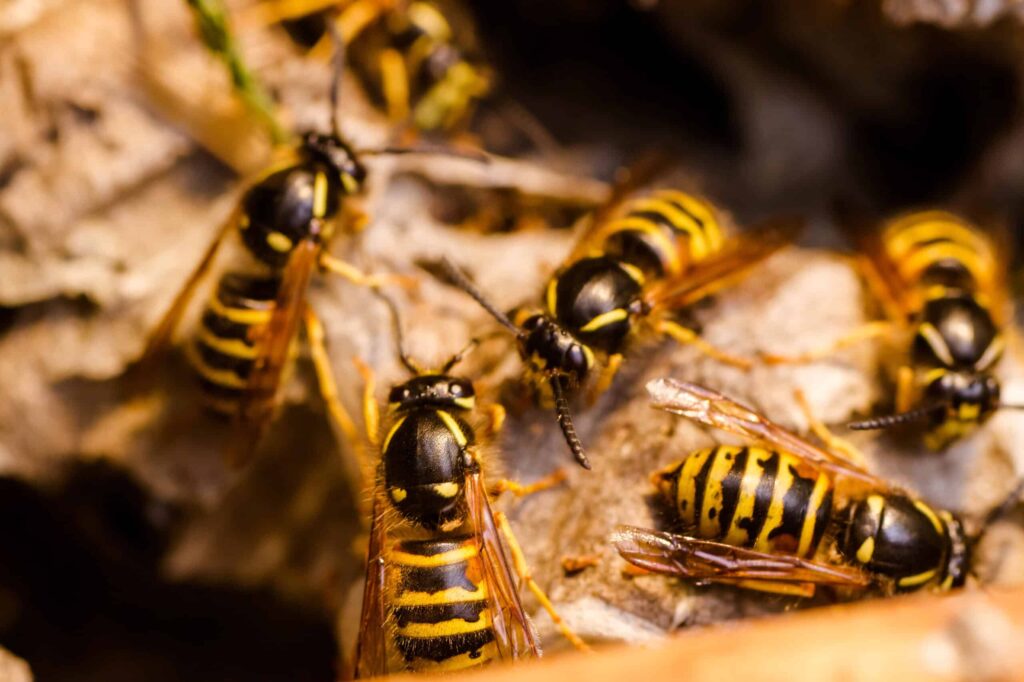
Bees, wasps, and hornets all belong to the Hymenoptera family, but they differ in behavior, appearance, and how they interact with humans. Bees are typically fuzzy and gentle, wasps are slimmer and more aggressive, and hornets are large social wasps known for their painful stings, which is why many homeowners rely on experienced pest control operators in Johns Creek when these stinging insects become a concern.How Can You Identify Bees, Wasps, and Hornets?
- Bees: Hairy bodies, collect pollen, barbed stingers (die after stinging)
- Wasps: Smooth, shiny bodies, can sting repeatedly, narrow waists
- Hornets: A type of wasp, larger, more aggressive, aerial nesters
Which Insect Is More Likely to Sting You?
Bees sting when provoked. Wasps and hornets are more aggressive and will sting repeatedly, especially when defending their nests. Social wasps like Yellowjackets and hornets are the most likely to chase and attack in swarms.What Role Do These Insects Play in the Ecosystem?
- Bees: Essential pollinators for food crops
- Wasps: Predators of crop-damaging pests
- Hornets: Help control insect populations, though often feared due to their size and aggression
Why Should You Know the Difference?
Understanding these differences helps with sting prevention, safe outdoor activity, and recognizing when professional pest control is needed.What to Do If You Get Stung by a Bee, Wasp, or Hornet
What Happens to Your Body After a Sting? Stinging insects inject venom that triggers an immune response. This causes pain, swelling, redness, and sometimes itching. In severe cases, allergic reactions or anaphylaxis can occur.Bee Sting vs Wasp Sting: What’s the Difference?
- Bee Stings: Leave a stinger; sting once
- Wasp/Hornet Stings: No stinger left behind; can sting multiple times
How Long Do Stings Last?
- Minor stings: 24–48 hours of pain and swelling
- Moderate swelling: May last up to a week
- Severe reactions: Require medical treatment and could last longer
First Aid for Localized Reactions
- Remove stinger (for bees only)
- Wash the area with soap and water
- Apply ice to reduce swelling
- Use antihistamines or pain relievers if needed
When Should You See a Doctor?
Seek emergency help if you experience:- Trouble breathing
- Swelling of face, tongue, or throat
- Dizziness or loss of consciousness
- Hives or rash beyond sting area
What Is Anaphylaxis?
Anaphylaxis is a severe allergic reaction. It can cause a dangerous drop in blood pressure and airway closure. People with known allergies should carry an EpiPen.Can You Be Allergic to Just One Type?
Yes. An allergy to bee venom doesn’t mean you’re allergic to wasps or hornets. Each venom type is chemically distinct.How to Identify and Prevent Bee, Wasp, and Hornet Infestations
Where Do Bees, Wasps, and Hornets Build Nests?
- Bees: Trees, wall voids, hollow logs, soffits
- Wasps: Eaves, playsets, attic corners
- Hornets: High tree branches, sheds, roof overhangs
Signs You Have a Nest Nearby
- Frequent insect sightings near doors or windows
- Buzzing sounds in walls or ceilings
- Visible paper nests (for wasps/hornets)
- Bees entering small holes in structures
Are Certain Species More Dangerous?
Yes. Yellowjackets and bald-faced hornets are highly aggressive. Africanized “killer” bees also respond with extreme aggression when disturbed.How to Prevent Stings and Nests
- Avoid floral prints and strong perfumes
- Keep food covered during outdoor events
- Secure trash cans and clean up spills
- Inspect property for early signs of nests
- Seal cracks and crevices around your home
When to Call a Professional
Call pest control if:- You’re allergic to stings
- The nest is in a high-traffic or indoor area
- You suspect Africanized bees
- You’ve noticed aggressive behavior