 Limited Time: Get $25 Off Your First Service

Bed Bugs? How They Enter Your Vehicle and How to Stop Them
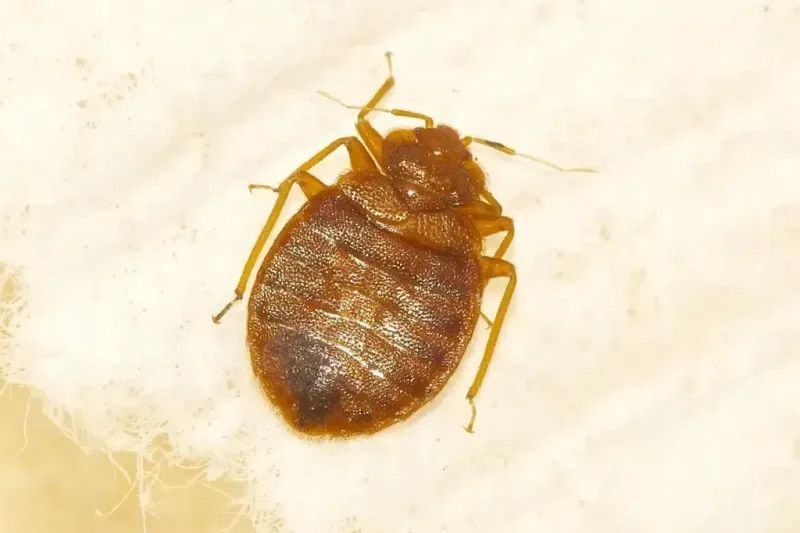
Bed bugs in cars hitchhike in on luggage, clothing, used furniture, and from nearby infested buildings. Check seats, seams, and floor mats, vacuum often, and call a professional if you find live bugs, shed skins, or dark spots.
TL;DR: Bed bugs hitchhike into cars on luggage, clothes, and used items, and they can also move in from nearby infested places. They hide in seat seams, upholstery, and floor mats, and the signs are live bugs, shed skins, dark spots, and itchy bites after time in the car. Vacuum, wash fabric on high heat, and use steam on seats, and call a professional if the problem keeps coming back.
Key Takeaways
- Bed bugs enter vehicles on luggage, clothing, secondhand furniture, and by moving in from nearby infested buildings.
- They hide in seat seams, crevices, upholstery, and along the edges of floor mats.
- Dark fecal spots, shed skins, pearl-like eggs, live bugs, and itchy welts after time in the car are the main signs.
- Vacuum with a crevice attachment, launder removable fabric in hot water, and steam non-removable upholstery.
- Heat above 120°F (49°C) can kill bed bugs and eggs, but a parked car won’t heat evenly, so don’t rely on sun alone.
- Diatomaceous earth and essential oils offer only temporary relief and often miss hidden populations.
- Severe or recurring infestations need a professional inspection and treatment.
Bed bugs can easily enter vehicles through various means, including hitching rides on belongings or directly from infested items. Once inside, bed bugs in cars can hide in crevices and upholstery, ready to spread to new locations.
To prevent this, regularly inspect your vehicle, avoid bringing infested items inside, and promptly address any infestations with thorough cleaning and professional pest control services. By staying vigilant and taking preventive measures, you can effectively stop bed bugs from infesting your vehicle and spreading to other areas.
Why Bed Bugs End Up in Cars
Bed bugs are notorious pests known for infesting homes, but bed bugs in cars can also become a problem, posing a unique set of challenges for vehicle owners. How do these pests get into your vehicle, and what potential risks do they pose to you and your passengers?
Bed bugs can hitch a ride into your car by attaching themselves to clothing, bags, or other belongings. Once inside, they can hide in upholstery, seat seams, and crevices, making them difficult to detect and remove. An infestation can lead to bites, itching, and potential allergic reactions in sensitive individuals. Identifying and addressing bed bugs in cars early can help prevent them from spreading to other areas.
Addressing bed bugs in your car requires thorough and diligent efforts. Start by thoroughly vacuuming and cleaning your vehicle, paying close attention to seams, cracks, and other hiding spots where bed bugs may reside. Additionally, consider using specialized treatments such as steam cleaning or insecticidal sprays designed specifically for automotive use. Regular inspections and preventive measures, such as minimizing clutter and avoiding picking up hitchhiking bed bugs from infested areas, can also help mitigate the risk of infestation.
Bed Bugs Spread From Homes to Hotels and Public Places
Bed bugs, once considered a mere nuisance confined to homes, have become a widespread concern infiltrating various public spaces, including hotels, dormitories, and even public transportation. While traditionally associated with residential environments, the adaptability and resilience of these tiny pests have led to their proliferation in commercial settings, posing significant challenges for both businesses and individuals. With the ability to hitchhike on luggage, clothing, and other personal belongings, bed bugs have transformed from a household problem to a pervasive threat affecting travelers, students, and anyone frequenting shared spaces. Bed bugs in cars are another concern, as these pests can hitchhike into vehicles on clothing, bags, and other belongings.
The resurgence of bed bugs in non-residential settings has sparked a growing demand for effective prevention and eradication methods. Businesses, particularly in the hospitality industry, face mounting pressure to address infestations promptly to safeguard their reputation and prevent financial losses. Consumers, meanwhile, are increasingly concerned about encountering bed bugs during their travels or daily routines. Understanding the behavior and habits of these pests is crucial for implementing proactive measures and minimizing their impact on both residential and commercial environments. Bed bugs in cars are also a concern, as these pests can hitchhike on luggage, clothing, and other personal belongings, potentially spreading to new locations.
As the prevalence of bed bugs continues to rise beyond household settings, it is imperative for individuals and businesses alike to educate themselves on prevention techniques and seek professional assistance at the first sign of infestation. By adopting comprehensive strategies that encompass regular inspections, proper sanitation practices, and targeted treatments, stakeholders can mitigate the spread of bed bugs and maintain hygienic living and working environments. Collaborative efforts between homeowners, businesses, and pest control professionals are essential in combating this evolving menace and preserving the comfort and safety of communities worldwide.
How Bed Bugs Find Their Way Into Your Vehicle
Bed bugs are notorious hitchhikers, and they can find their way into your vehicle through various means. One common way is through infested luggage or clothing. If you’ve stayed in a hotel or accommodation with bed bugs and inadvertently brought them back on your belongings, they could easily transfer to your car seats or carpeting. Similarly, if you’ve been in contact with someone or visited a location where bed bugs are present, they might cling onto your clothing or personal items and be transported into your vehicle without your knowledge.
Another pathway for bed bugs to infiltrate your vehicle is through second-hand furniture or belongings. If you’ve recently purchased used items such as upholstered chairs, cushions, or even a mattress, there’s a risk that they could harbor bed bugs. These pests can hide in seams, crevices, and folds of furniture, and if not thoroughly inspected before bringing them into your vehicle, they can easily establish a new infestation.
Additionally, bed bugs are highly adept at moving between adjacent spaces, so if your vehicle is parked near an infested area, such as a hotel, apartment building, or even a friend’s home with a bed bug problem, they could migrate into your car seeking new hosts. This underscores the importance of vigilance and preventative measures such as regular inspections, vacuuming, and maintaining cleanliness to minimize the risk of bed bug infestations in your vehicle.
Signs of Bed Bugs in Your Vehicle
Identifying the presence of bed bugs in your vehicle can be crucial for maintaining hygiene and preventing infestations. Firstly, be vigilant for physical signs such as spotting live bugs, shed skins, or tiny black or reddish-brown dots on surfaces. These bugs often hide in seams, crevices, and upholstery, so inspect these areas thoroughly. Additionally, keep an eye out for a musty odor, which can indicate the presence of bed bugs.
If you suspect bed bugs in your vehicle, take immediate action to prevent further spread. Begin by thoroughly vacuuming the interior, paying close attention to seams and cracks where bed bugs may hide. Use a stiff brush to dislodge any eggs or bugs clinging to surfaces. Next, launder any removable fabric items in hot water and dry them on high heat to kill any bugs or eggs. For non-removable items, consider using a steam cleaner to effectively eliminate bed bugs.
In severe cases, professional pest control may be necessary to completely eradicate bed bugs from your vehicle. Contact a reputable bed bug exterminator who has experience dealing with bed bug infestations in vehicles. They can assess the extent of the infestation and recommend appropriate treatment methods to ensure your vehicle is free from bed bugs. Taking proactive measures to identify and address bed bugs in your vehicle is essential for maintaining a clean and hygienic environment for yourself and your passengers.
Bed Bug Signs to Check For
Nothing disrupts peace at home quite like a bed bug infestation. These resilient pests can quickly turn your sanctuary into a source of discomfort and frustration. Recognizing the early indicators of their presence is crucial to prevent their proliferation. Here’s an in-depth exploration of the telltale signs of bed bug infestation, equipping you with the knowledge to detect and address these unwelcome intruders effectively.
Signs of Bed Bug Infestation
- Visible Bed Bugs: While bed bugs are small, they’re not invisible. Examine your mattress seams, bed frames, and nearby furniture for live bugs, which are typically reddish-brown and about the size of an apple seed. Pay close attention to crevices and joints where they may hide during the day.
- Bite Marks: Bed bug bites are often the first sign of an infestation. These bites appear as red, itchy welts on exposed areas of the skin, such as the face, neck, arms, and hands. They tend to occur in clusters or a line pattern and can be mistaken for other insect bites or skin conditions.
- Blood Stains: After feeding, bed bugs may leave behind small bloodstains on your sheets, pillowcases, or other bedding. These stains can vary in size and color, depending on the amount of blood ingested and the material they’re on.
- Dark Spots: Bed bug excrement, also known as fecal spots, appears as tiny, dark stains on sheets, mattresses, or nearby walls. These spots often resemble ink dots and can be found in areas where bed bugs hide or travel, such as mattress seams, crevices, or along baseboards.
- Egg Casings: Female bed bugs lay eggs in clusters, which are about the size of a pinhead and translucent in color. These egg casings, also known as shells or nits, can be found in hidden areas near the bed, such as mattress seams, furniture joints, or behind loose wallpaper.
- Musty Odor: A strong, musty odor resembling that of a wet towel or damp locker room may indicate a severe bed bug infestation. This odor is often emitted by bed bugs’ scent glands and becomes more pronounced as the infestation grows. It’s typically most noticeable in enclosed spaces, such as bedrooms or living rooms.
- Shed Skin: Like other insects, bed bugs molt as they mature, shedding their exoskeletons several times during their lifecycle. These translucent skins, known as exuviae, can accumulate in areas where bed bugs congregate, such as mattress seams, headboards, or behind picture frames.
By familiarizing yourself with these unmistakable signs of bed bug infestation, you can promptly address any infestations and prevent them from escalating into a larger problem. Remember to act swiftly and seek pest control professional assistance if needed to ensure thorough eradication and restore tranquility to your home. With vigilance and proactive measures, you can keep bed bugs at bay and enjoy uninterrupted peace of mind in your living space.
Dark Spots on Car Seats and Floor Mats
Dark spots on your car seats or floor mats can serve as the first indication of a potential bed bug infestation. These spots often signify the presence of fecal stains left behind by bed bugs following a blood meal. They manifest as diminutive, dark dots and tend to accumulate in clusters or congregate along seams and crevices where bed bugs typically harbor.
Identifying these spots at an early stage is crucial as it enables you to promptly address the issue and mitigate the risk of a widespread infestation. By promptly recognizing and addressing these telltale signs, you can take proactive measures to safeguard your vehicle and prevent the unwelcome presence of bed bugs from proliferating further.
Shed Skins, Eggs, and Itchy Bites
In addition to dark spots, keep an eye out for shed exoskeletons, which bed bugs discard as they grow. These translucent skins can accumulate in areas where bed bugs in cars may hide, such as between seat cushions or along the edges of floor mats. You may also spot tiny, pearl-like eggs in these areas, indicating breeding activity.
Moreover, if you or your passengers experience unexplained itchiness or notice red welts on exposed skin after spending time in the car, it could be a sign of bed bug bites. While not everyone reacts to bed bug bites, some individuals may develop allergic reactions or skin irritation.
Why Regular Car Inspections Matter
Regular inspections of your vehicle are crucial for detecting bed bugs in cars early and preventing a widespread infestation. Make it a habit to thoroughly examine your car’s interior, paying close attention to seams, upholstery, and carpeting. Use a flashlight to inspect dark corners and crevices where bed bugs are likely to hide. By catching any signs of bed bugs early, you can take proactive measures to address the problem before it escalates.
How to Get Rid of Bed Bugs in Your Car
If you suspect bed bugs in your vehicle, there are several strategies you can employ to eliminate them effectively. Start by thoroughly cleaning your car, paying special attention to areas where bed bugs are likely to hide. Vacuuming is an essential step in removing bed bugs and their eggs from upholstery and carpeting. Be sure to use a vacuum with a high-powered suction and a crevice attachment to reach tight spaces.
If you’ve discovered an infestation, follow our guide on how to get rid of bed bugs in a car for treatment methods and prevention tips.
Using Heat in a Car, Steam Cleaning, Diatomaceous Earth, When You Need Stronger Treatments, How to Keep bed bugs in cars
Another effective method for killing bed bugs in your vehicle is heat treatment. Park your car in direct sunlight on a hot day, as temperatures above 120°F (49°C) can kill bed bugs and their eggs within a few hours. Alternatively, you can use a portable steamer to treat infested areas with high-temperature steam, which effectively eliminates bed bugs on contact.
Steam Cleaning: A Deep-Cleaning Solution
Steam cleaning is an excellent option for deep-cleaning your vehicle and targeting bed bugs in cars, especially in hard-to-reach areas. Use a steam cleaner with a nozzle attachment to apply steam to upholstery, carpeting, and other infested surfaces. The high temperature of the steam can kill bed bugs on contact, making it an effective, chemical-free option for bed bug removal.
The Diatomaceous Earth Approach: A Natural Method
Diatomaceous earth is a natural substance that can be used to eliminate bed bugs in cars. Sprinkle a thin layer of food-grade diatomaceous earth in areas where bed bugs are present, such as along seams and crevices. The microscopic particles damage the bed bugs’ protective outer layer, causing them to dehydrate and die.
Advanced Bed Bug Elimination Techniques
In severe cases of bed bugs in cars, you may need to use advanced elimination techniques such as insecticide treatments. However, these methods should be approached with caution, as they may pose risks to human health and the environment. It’s best to consult with a professional pest control expert who can assess the situation and recommend the most appropriate treatment plan for your specific needs.
Maintaining a Bed Bug-Free Vehicle
Once you’ve eliminated bed bugs from your vehicle, it’s essential to take steps to prevent reinfestation. Regular cleaning and inspection are key to keeping bed bugs in cars at bay. Remove clutter from your car, vacuum regularly, and launder any fabric items that may harbor bed bugs. Additionally, be mindful of your surroundings and activities to avoid picking up bed bugs from infested areas.
When to Call a Professional
Recognizing the limitations of home remedies is crucial when dealing with bed bug infestations. While DIY methods like essential oils or diatomaceous earth may offer temporary relief, they often fail to address the root cause of the problem or eliminate hidden bed bug populations. This is especially important when dealing with bed bugs in cars, where pests can hide in seat seams, upholstery, and other hard-to-reach areas. Moreover, relying solely on home remedies can pose potential health risks, especially if pesticides or natural remedies are used incorrectly or excessively. Delaying professional help in favor of DIY approaches may also allow the infestation to worsen over time, as bed bugs reproduce quickly and require prompt, comprehensive treatment.
In contrast, professional extermination services offer several advantages in effectively tackling bed bug infestations. Bed bug control professionals possess the expertise, experience, and training to identify and address bed bug infestations efficiently. They utilize a combination of methods, including chemical treatments and heat treatments, to eradicate bed bugs at all stages of development. Furthermore, professional exterminators provide comprehensive treatment that targets all infested areas, including hidden harborage sites, to ensure complete eradication of bed bugs and their eggs. Additionally, hiring professional services provides peace of mind, knowing that the bed bug problem is being handled by experts who follow strict guidelines to protect the health and safety of occupants while effectively eliminating the infestation.
Frequently asked questions
Bed Bug FAQ: Cars, Moving, and Home Treatment
Get a free inspection when you book a pest control service.
How long will bed bugs stay in your car?
Adult bed bugs can survive in a car for up to one year without feeding if temperatures remain cool and stable.
How to prevent bed bugs when moving?
To make sure bed bugs do not move with you, wash and dry all clothing and bedding on high heat for at least 30 minutes, then seal them in airtight plastic bags.
Does AC keep bed bugs away?
No, an air conditioner does not keep bed bugs away or get rid of an infestation.
What are 15 home remedies for bed bugs?
High-heat drying, vacuuming, and diatomaceous earth are among the most effective home solutions for managing early bed bug activity.
What kills 100% of bed bugs?
High heat (temperatures above 122°F to 140°F) is the only method guaranteed to kill 100% of bed bugs and their eggs instantly.