 Limited Time: Get $25 Off Your First Service

Animal in Your Attic? How to Identify and Remove It Safely
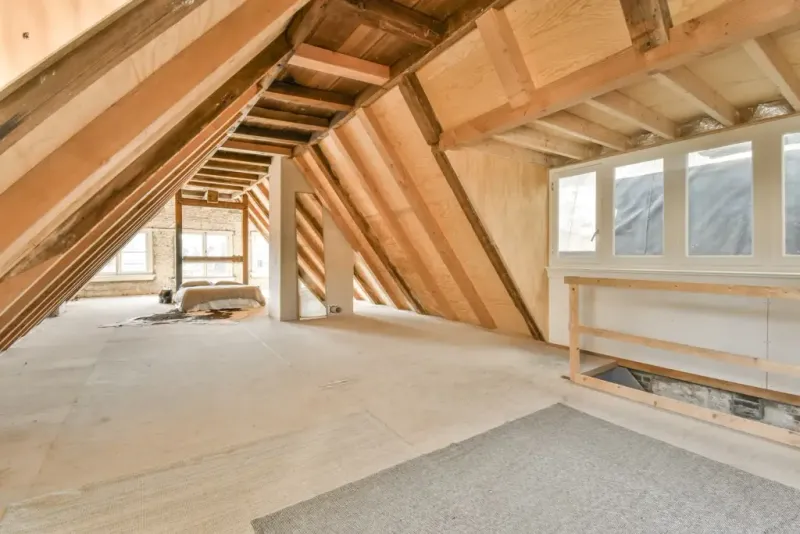
Attic animal removal starts with finding out what animal is up there, finding every way it got in, and using safe, legal methods to get it out. If you hear scratching or thumping overhead, especially at night, call a licensed professional instead of trapping it yourself.
TL;DR:
- Warm, dry, hidden attics attract rats, mice, squirrels, raccoons, bats, and opossums.
- Warning signs: scratching or thumping at night, droppings, strong smells, chewed wires, and stains on ceilings.
- Each animal needs a different removal plan, and bats have legal limits in some seasons.
- Trapping, one-way doors, and sealing entry points work best when done by a professional.
- After removal, clean the attic and replace soiled insulation so new animals aren’t drawn back.
- Waiting can mean thousands of dollars in repairs.
If you’ve been hearing scratching, thumping, or movement overhead, especially at night, you may have an animal in the attic. It’s more than just a nuisance. Left alone, animals can damage insulation, chew electrical wiring, and leave behind harmful waste. In some cases, a single overlooked entry point can result in thousands of dollars in repairs.
This guide will help you understand why animals enter attics, how to recognize the warning signs, and what to expect during a professional inspection and removal process.
We’ll also explain why it’s critical to let our pest control experts in Johns Creek handle the situation especially with wildlife protection laws and safety concerns at play.
Why Animals Choose the Attic
Attics provide the perfect shelter for animals—warm, dry, and hidden from predators. In Florida and Georgia, wildlife activity tends to spike during certain seasons.
Cooler months draw animals indoors for warmth, while spring and summer often bring nesting mothers seeking a quiet place to raise their young.
Common reasons animals target attics include:
-
Shelter from predators or extreme weather
-
Easy access through gaps in roofing or vents
-
Proximity to food sources like bird feeders, trash bins, or pet bowls
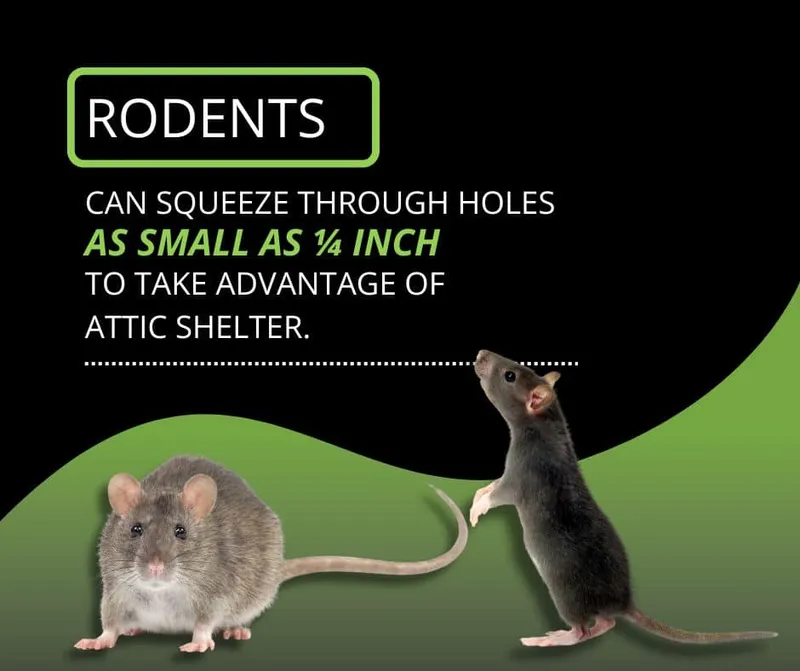
Rodents can squeeze through holes as small as ¼ inch, and raccoons have been known to tear through shingles to gain entry. Once inside, animals often nest in insulation and stay until forced out.
Signs of an Animal in Your Attic
Many homeowners don’t realize they have attic visitors until the signs become obvious. Early detection helps reduce damage and lower costs.
Look (and listen) for:
-
Scratching, scurrying, or thumping sounds, especially at night or early morning
-
Strong odors or visible droppings near vents, ducts, or attic flooring
-
Chewed wires, wood, or insulation
-
Grease marks or footprints around small openings or soffits
-
Staining on ceilings due to urine or nesting materials
In some cases, insects like mites, fleas, or flies may appear, especially when animals like raccoons or opossums have nested and left behind organic waste.
Common Attic Intruders in Florida and Georgia
Homeowners most often encounter these species in attics:
-
Rats and mice – Quick breeders, active at night, and known for gnawing through electrical wires
-
Squirrels – Active during the day, often enter through roof edges or vents
-
Raccoons – Large and strong, capable of causing structural damage
-
Bats – Prefer quiet, high areas and leave behind guano, which can be a health risk
-
Opossums – Usually solitary, known for dragging nesting material indoors
Identifying the exact species matters. It impacts the removal method, legal requirements, and cleanup approach.
For example, Florida law protects bats during their maternity season (May 15 to August 15) meaning exclusion during that time is not permitted.
What Happens During a Professional Assessment?
When you call a licensed wildlife removal company like Nextgen, the process starts with a full attic and exterior inspection.
The goal isn’t just to find the animal. It’s to fully understand the situation and stop it from recurring. Professionals will check out:
-
Active and potential entry points on the roof, eaves, soffits, and vents
-
Species identification through signs like droppings, tracks, and nesting materials
-
Evidence of young animals, which require special handling
-
Extent of damage to insulation, electrical wiring, and ductwork
-
Risk of contamination, such as mold or disease-carrying waste
We document findings and use this to build a safe, legal, and effective removal and restoration plan.
Safe and Legal Attic Animal Removal Tactics
DIY attempts at trapping or removing an animal in the attic can make things worse. Without training, homeowners risk injury to themselves, the animal, or their home—not to mention violating Georgia wildlife control regulations.
Professional wildlife removal typically involves:
-
Trapping and relocation, when permitted
-
One-way exclusion devices that let animals exit without re-entry
-
Safe removal of nesting young, followed by external reunification with the mother
-
Sealing of all entry points only after the attic is confirmed empty
-
Decontamination using industry-safe treatments to neutralize odors and health threats
Bats, in particular, require special handling under Florida and Georgia wildlife codes—with restricted exclusion periods and very specific removal methods to protect these important species.
Long-Term Prevention Tactics
Once animals are removed, the next step is keeping them out for good. Preventive work is just as important as the removal process, especially in regions with year-round wildlife activity.
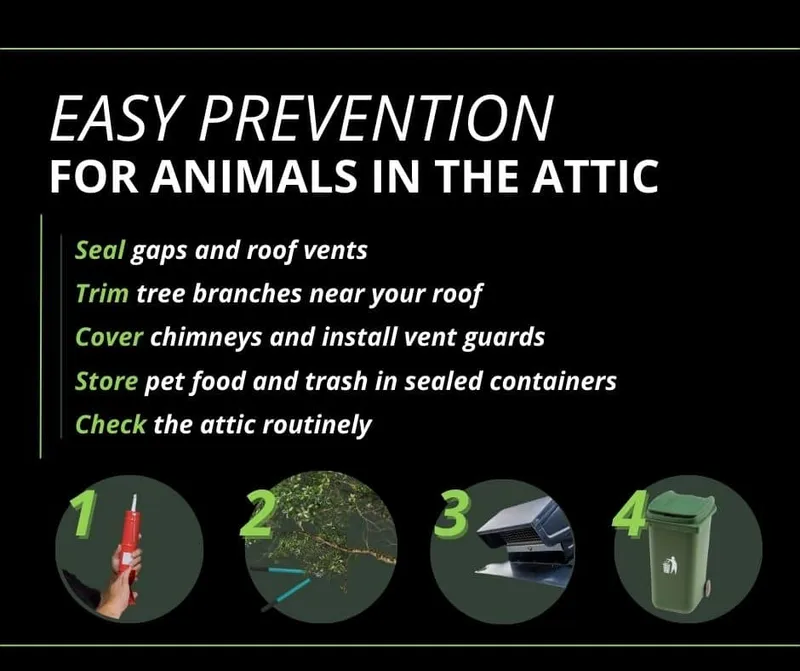
Effective prevention steps include:
-
Sealing all holes or gaps with durable materials like galvanized steel mesh
-
Installing vent covers and chimney caps
-
Trimming back tree limbs to limit roof access
-
Securing outdoor trash, pet food, and bird feeders
-
Scheduling seasonal inspections to catch issues early
Prevention helps protect your home, and saves money. Wildlife-related attic repairs can cost anywhere from $1,500 to over $10,000, especially when wiring, HVAC systems, or insulation are involved.
Cleanup and Repairs After Removal
Once the animal is out and access points are sealed, your attic still may need repair and cleanup. A full restoration helps eliminate health risks and deters new animals from being drawn to leftover scents.
This often includes:
-
Replacing soiled or compressed insulation
-
Decontaminating the attic with enzyme-based cleaners
-
Odor control to remove pheromones or urine smells
-
Inspecting for mold or water damage from disturbed roof areas
-
Checking smoke alarms and wiring if chewing is suspected
Even one nesting season can leave behind dangerous droppings, airborne bacteria, and damaged structures—making professional remediation a smart follow-up to any removal.
When to Call a Professional
If you suspect an animal is in the attic, don’t wait. Waiting can turn a small issue into major damage. You should call a professional pest exterminator if:
-
You hear repeated scratching, rustling, or thumping
-
You notice signs like droppings, smells, or insulation mess
-
You’ve spotted an entry point but can’t access it
-
You’re unsure whether it’s one animal or a nest of several
Professionals know how to identify, remove, and prevent future issues, without risking your home, your health, or the animal’s well-being.
Attic Wildlife FAQ: Prevention, Removal, and Rodent Control
How to get animals to leave your attic?
Although professional help is the best answer for serious situations, there are simple things you can do on your own. To get animals to leave your attic safely, identify the type of pest, make the space uncomfortable to encourage them to exit, use a one-way exclusion door, and seal all entry points only after they are gone
What to do if you hear an animal in the attic?
If you hear an animal in your attic, you should stay calm, keep your distance, and avoid direct contact with the wildlife. If the situation is serious, you should seek help from the professionals or authorities.
What to put in an attic to keep animals out?
To keep animals out of your attic, install physical barriers like 1/4-inch hardware cloth and steel flashing over vulnerable entry points rather than relying on temporary scent repellents.
What is the most effective way to get rid of rodents in my attic?
The most effective way to get rid of rodents in an attic is an integrated approach combining strategic trapping, sealing entry points (exclusion), and avoiding toxic baits that cause hidden decay
How long will rats stay in the attic?
Rats will stay in an attic indefinitely ranging from several weeks to years unless you actively remove them or block their access.
Final Thoughts: Don’t Wait to Act
Dealing with an animal in the attic isn’t just about peace and quiet. It’s about protecting your home, your health, and in some cases, the animal itself. In Florida and Georgia, wildlife intrusions are common, but they don’t have to become a recurring problem.
At Nextgen Pest Solutions, our licensed pest management team specializes in safe, humane wildlife removal and full attic restoration. Whether it’s a single squirrel or a hidden bat colony, we’ll help restore your home and seal it for good. Contact Nextgen today for a thorough pest inspection and wildlife removal plan that keeps your home protected long after the animal is gone. Signs of an Animal in Your Attic
Frequently asked questions
Attic Wildlife FAQ: Prevention, Removal, and Rodent Control
Get a free inspection when you book a pest control service.
How to get animals to leave your attic?
Although professional help is the best answer for serious situations, there are simple things you can do on your own. To get animals to leave your attic safely, identify the type of pest, make the space uncomfortable to encourage them to exit, use a one-way exclusion door, and seal all entry points only after they are gone.
What to do if you hear an animal in the attic?
If you hear an animal in your attic, you should stay calm, keep your distance, and avoid direct contact with the wildlife. If the situation is serious, you should seek help from the professionals or authorities.
What to put in an attic to keep animals out?
To keep animals out of your attic, install physical barriers like 1/4-inch hardware cloth and steel flashing over vulnerable entry points rather than relying on temporary scent repellents.
What is the most effective way to get rid of rodents in my attic?
The most effective way to get rid of rodents in an attic is an integrated approach combining strategic trapping, sealing entry points (exclusion), and avoiding toxic baits that cause hidden decay
How long will rats stay in the attic?
Rats will stay in an attic indefinitely ranging from several weeks to years unless you actively remove them or block their access.