Skip to content
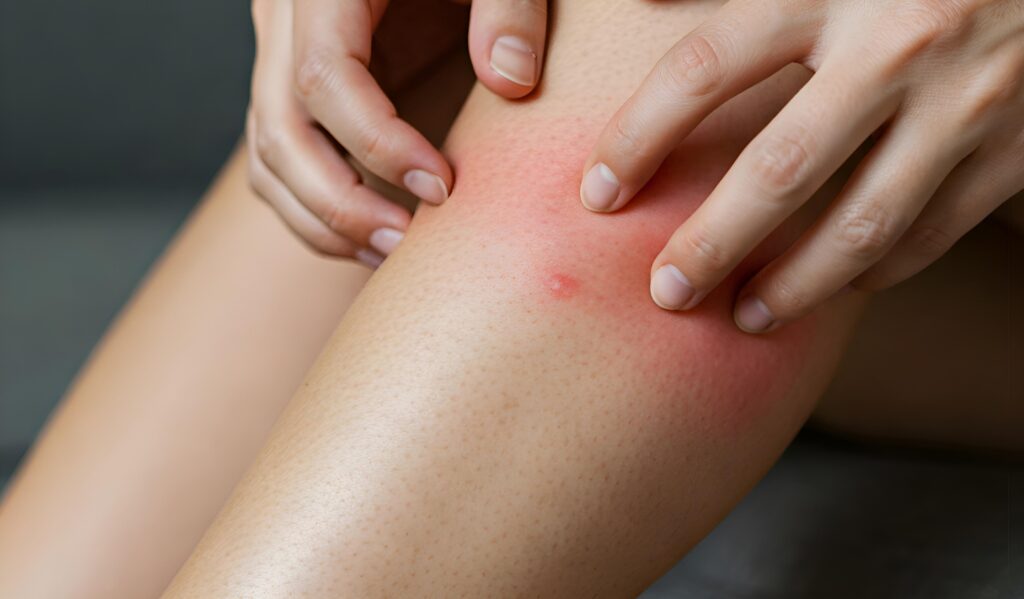
You wake up with itchy red bites along your arms and ankles, and start wondering what bit you overnight. The family dog has been scratching more than usual, but you also noticed small stains on the bedding and tiny insects jumping near the carpet. Bite patterns can look similar at first, which makes it difficult to tell what is causing the problem.
By understanding bed bugs vs flea bites, Georgia homeowners can better identify what pest may be hiding inside the home and take steps to address the problem before it spreads. Fleas often stay close to pets, carpets, and upholstered furniture, while bed bugs hide around mattresses, bed frames, and nearby furniture. In this guide, you’ll learn how to tell the difference between bed bug bites and flea bites, what other warning signs to watch for, and when professional treatment may be needed.
Key Takeaways
- Bites alone are not a reliable way to tell bed bugs from fleas, so confirming the pest itself is an important step for Georgia homeowners.
- Bed bug bites and flea bites can both cause itching, and some people may have an allergic reaction to flea bites while others may not react to bed bug bites at all.
- Proper identification drives the right treatment approach because bed bug and flea control follow very different processes, timelines, and preparation steps.
- Pets play a key role in flea situations, and a veterinarian-prescribed flea medication is essential before any flea treatment can succeed long-term.
How to Identify Bed Bug Bites vs. Flea Bites
Telling bed bug bites from flea bites can be tricky because both pests feed on blood and leave itchy marks on the skin. For Georgia homeowners, the distinction matters because each pest requires a different treatment approach. Understanding the signs of each pest helps you figure out which one you are dealing with so you can take the right steps.
How to Tell Bed Bug Bites and Flea Bites Apart
Bed bugs are insects that feed on blood from humans and other animals, and their bites typically cause itching and skin irritation. They feed by piercing the skin with an elongated mouthpart made up of four stylets that fold under the body when at rest and fully extend during blood feeding. This feeding method can leave clustered marks on exposed skin.
Flea bites, by contrast, can appear on the skin in homes where pets spend time. Fleas also feed on blood, and without finding the actual pest, distinguishing flea bites from bed bug bites by appearance alone is difficult. Without finding the actual pest, it can be difficult to confirm the cause from bites alone.
How to Spot Bite-Related Pest Activity Inside Your Home
Indoors, bed bug activity is usually concentrated near where people sleep or sit. Nextgen Pest Solutions checks bedrooms, living areas, and seating spaces during inspections. Beds, mattresses, box springs, furniture, outlets, baseboards, and small cracks are all common hiding spots. Most bed bugs are found within 8 feet of where people sleep, though the EPA notes they will readily travel 5 to 20 feet from established hiding spots.
Flea activity indoors centers on where pets rest. Carpets, pet bedding areas, and spaces under furniture are the primary zones. If you notice bites but have pets in the home, checking these areas can help narrow down which pest is present.
Where Bed Bug and Flea Activity Shows Up
Bed bugs tend to stay close to their hosts indoors, hiding in seams of mattresses, joints of furniture, drawers, and small cracks in walls. Their hiding ability makes them difficult to spot without a trained inspection of mattress seams, outlets, baseboards, and wall cracks.
Fleas may also be present in outdoor areas. Yards, shaded spots, and areas where pets spend time outdoors can all harbor flea populations. This outdoor presence is one reason flea problems can persist even after indoor treatment if the yard is not addressed at the same time.
Exterior Entry Points Bed Bugs and Fleas Use
Bed bugs do not typically enter from the yard. Common sources include used furniture, travel luggage, or visiting guests. These hitchhiking habits mean bed bugs can show up in any home regardless of cleanliness.
Fleas often enter homes on pets that spend time outdoors or through contact with stray animals or wildlife. Without a veterinarian-prescribed flea medication on your pets, fleas can become established indoors within days.
Why Bed Bug and Flea Problems Develop in Georgia
Both bed bugs and fleas feed on blood, but the way they reach you and where they live in your home are very different. Understanding those differences helps Georgia homeowners figure out which pest is behind the bites and what conditions allowed the problem to start.
Outdoor Nesting Areas for Bed Bugs and Fleas
Fleas typically build populations outdoors first, thriving in shaded areas where animals frequent. A newly emerged adult flea may jump onto a passing host, sometimes leaping 8 to 10 inches.
Bed bugs, by contrast, are indoor pests. They depend solely on blood for food and stay close to where people sleep or sit. They do not nest in yards or landscaping the way fleas do.
Food and Shelter That Attract Bed Bugs and Fleas
Bed bugs feed on human blood and usually bite while you are sleeping. They can consume up to six times their weight in blood, and a single feeding typically takes between 3 and 10 minutes. Because they rely entirely on blood, large infestations can develop wherever people rest regularly.
Fleas may bite people, particularly if no other host is present. Pets on ineffective flea medication or stray animals visiting your yard can sustain flea populations. Without a reliable animal host, fleas turn to human ankles and lower legs instead.
How Bed Bugs and Fleas Move Around Homes
Bed bugs stay close to sleeping and seating areas. Bites may not be noticed until later, and some people have no visible reaction at all, making infestations easy to overlook.
Flea bites occur most often near the ankles and lower legs because newly hatched fleas jump from floor level onto a passing host. Indoors, they concentrate in carpets, pet bedding areas, and under furniture.
Trails and Entry Points These Pests Use
Bed bugs hitchhike on belongings and settle into hiding spots near beds and seating. They do not jump or fly. According to Kansas State University Extension, a bed bug needs to be found to confirm it as the cause.
Fleas enter mainly on pets or on clothing after outdoor exposure. Identifying the entry path helps you target the right areas for inspection.
Risks of Bed Bug and Flea Infestations in Georgia
One of the biggest challenges when comparing bed bug bites and flea bites is that the bites themselves look similar. According to UC IPM, distinguishing bed bug bites from the bites of other arthropods, such as fleas, is difficult to impossible. That overlap means Georgia homeowners often cannot identify the pest from the bite alone.
Health Risks Linked to Bed Bug and Flea Bites
Bed bug bites typically appear as small welts that itch and sometimes swell. They do not cause immediate itching or pain, so you may not notice them until hours later. That delayed reaction can make it hard to pinpoint when or where you were bitten.
Flea bites can also produce itchy welts. Both bite types may lead to discomfort from scratching. Confirming which pest is present requires finding the insect itself rather than relying on bite appearance.
Property Damage From Bed Bugs and Fleas
Neither bed bugs nor fleas are known for structural damage to your home. However, bed bug bites may be the first sign of an infestation, as noted by Purdue Extension. Ignoring those early welts can allow a bed bug population to spread through bedrooms, living areas, and seating spaces. For fleas, untreated activity indoors often ties back to pets that lack proper flea medication.
Pest Activity Near Food Preparation Areas
Bed bugs are not drawn to kitchens or food storage. They stay close to where people sleep or sit. Fleas likewise follow their hosts, congregating in carpeted areas, pet bedding zones, and spots where animals rest. Neither pest targets pantries or countertops, so food contamination is not the primary concern with either one.
When to Take a Closer Look at Pest Activity
Because bite marks alone cannot confirm the pest, you should look for other evidence. For bed bugs, check mattress seams, box springs, baseboards, and outlets near sleeping and seating areas. For fleas, inspect pet bedding, carpets, and shaded outdoor zones where pets rest.
If you notice recurring welts but cannot locate the source, a professional inspection can help confirm whether you are dealing with bed bugs, fleas, or another biting arthropod. Accurate identification is the first step toward choosing the right treatment approach.
Professional Pest Control for Bed Bugs and Fleas in Georgia
Knowing whether you are dealing with bed bugs or fleas shapes every step of pest control, from inspection through follow-up. Bed bug infestations center on sleeping and seating areas, while flea infestations revolve around pets and the spaces pets use. Georgia homeowners benefit from understanding these differences so the right treatment plan can start sooner.
How to Reduce Attractants for Bed Bugs and Fleas
Cleaning your bedding and home are required steps to get rid of a bed bug infestation. Wash and dry all bedding before service using hot water, and transport items in sealed plastic bags. Remove personal items from under beds and empty nightstands, dressers, and closets so every hiding spot is accessible. Reduce clutter throughout the home so a technician can reach all areas.
For fleas, getting rid of an infestation requires treating your pet along with cleaning indoor and outdoor areas where your pet spends time. Vacuum all floors before treatment, pick up toys and miscellaneous items, and make sure pets are on a veterinarian-prescribed flea medication. Without that step, flea pest control will not succeed long-term.
Why Pest Control Starts With a Professional Inspection
A bed bug inspection focuses on bedrooms, living areas, and seating spaces. Bed bugs leave blood stains on sheets and mattresses. They also leave small dark stains from defecation on bedding. Technicians also check outlets, baseboards, and small cracks near resting areas.
A flea inspection looks at different zones. Nextgen Pest Solutions technicians inspect indoors around carpets, pet bedding areas, and under furniture. Outdoors, they check shaded spots and areas pets frequent. This dual approach helps map the full scope of the infestation before treatment begins.
What to Expect During Professional Treatment
Nextgen’s bed bug pest control includes Cryonite freezing and HEPA vacuuming to target live bed bugs and remove eggs. Long-lasting dust goes into wall voids, outlets, and carpet edges, with liquids applied if needed. Beds and furniture are disassembled so seams, joints, drawers, and cracks can be addressed. Everyone, including pets, must leave during treatment and stay out for about three hours until surfaces are dry.
Flea treatment covers floors, under furniture, and around pet beds. When possible, the yard and landscape are treated at the same time as the interior to reduce the outdoor flea population. According to Purdue Extension, pets can be treated for fleas using sprays, dusts, foams, shampoos, collars, spot-on treatments, and pills. All people and pets must also vacate the home for at least three hours.
What Bed Bug and Flea Control Plans Include
Bed bug follow-up visits are scheduled 10 to 14 days after the first treatment to catch newly hatched bed bugs. A third visit may include a biological treatment for extended protection. Full home bed bug jobs over $500 come with a 90-day bed bug-free warranty, and jobs under $500 carry a 30-day warranty.
Flea follow-up is also scheduled about 14 days later. This timing allows eggs and pupae to hatch so the newly emerged fleas can be targeted. If activity continues, the treatment is repeated, and pet medications or other possible sources are re-checked. Following directions during and after any pest control treatment helps reduce exposure risk for you, your children, and your pets.
Bottom Line: Bed Bug vs. Flea Bites
Telling bed bug bites apart from flea bites by appearance alone is difficult, so Georgia homeowners should look beyond the bite marks themselves. Flea activity usually connects to pets and outdoor areas, while bed bug activity centers on sleeping and seating spaces indoors. The right response depends on correctly identifying the pest, not just the bite. If you suspect either pest in your home, contact Nextgen Pest Solutions for an inspection covering mattresses, furniture, baseboards, and outlets so the correct treatment plan can begin.
Frequently Asked Questions
Can I tell which pest bit me just by looking at the marks?
In most cases, no. Bite reactions vary from person to person, and some people show no visible reaction at all. A confirmed identification of the pest itself is more reliable than trying to diagnose the issue from skin marks alone.
Do I need to treat my pets before a flea service?
Yes. Nextgen Pest Solutions confirms that pets are on a veterinarian-prescribed flea medication before treatment begins. Without this step, flea treatments are unlikely to succeed long-term because pets can reintroduce fleas into the home.
How many visits does a bed bug treatment require?
Most bed bug jobs involve an initial treatment followed by a second visit 10 to 14 days later. A third visit with a biological treatment may be added depending on the level of infestation. Jobs over $500 include a 90-day warranty, while jobs under $500 include a 30-day warranty.
What should I do to prepare my home before treatment?
For bed bugs, remove and launder all bedding in hot water, reduce clutter, and empty dressers and nightstands so every surface is accessible. For fleas, vacuum all areas to be treated and pick up items off the floors.