Skip to content
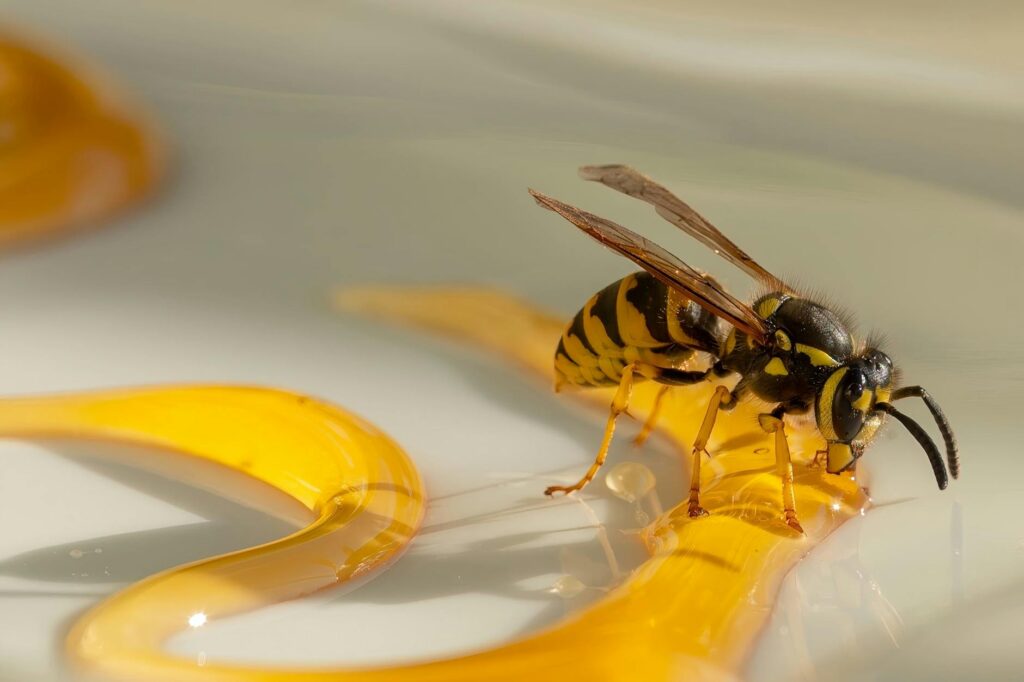
You reach for the garbage bin near the garage and notice insects darting around the lid. A few minutes later, more start circling near the porch roof or a patch of ground beside the fence. Stinging pests often stay unnoticed until someone gets too close to the nest during yard work, outdoor gatherings, or everyday activities around the home.
Several stinging insects common in Georgia backyards choose quiet, protected areas to build nests and search for food. Yellowjackets, wasps, hornets, and carpenter bees are some of the most common culprits homeowners deal with throughout the year. This guide explains how to identify these insects, where they like to nest, and what steps can help make your yard less attractive to them.
Key Takeaways
- Georgia backyards can host several stinging insects, including wasps, hornets, yellow jackets, and bees, each with distinct nesting habits that affect how likely you are to encounter them.
- Some stinging insects sting to defend their colony, and certain species can sting more than once, so accurate identification matters before you approach a nest.
- Nests built near areas where you and your family spend time may warrant removal, and understanding which species are more defensive helps you decide when professional help is the better choice.
- Nextgen Pest Solutions technicians can help you address stinging insect nests around your home.
How to Identify Stinging Insects Common in Georgia Backyards
Georgia backyards can host several stinging insect species, and knowing what to look for helps you respond the right way. The key differences come down to body markings, nest style, and where each species sets up. Below is a breakdown of what you may encounter and how to tell them apart.
How to Tell Stinging Insects Apart in Georgia Backyards
Paper wasps are among the most frequently noticed species. They build open-comb paper wasp nests that last only one season. Most paper wasp species are relatively unaggressive, but they can become a problem when they nest in areas of human activity, such as over doorways or near fruit trees.
Baldfaced hornets are a large black and white species that build familiar grayish, pear-shaped nests typically suspended in trees or on the sides of buildings. A thick paper envelope encloses two or four horizontally arranged combs inside.
Yellowjackets include several species, and most build subterranean nests in areas such as creek banks, lawns, and garden and flower beds. Some yellowjacket species are more aggressive and may fly several feet to sting someone near the nest site.
Solitary wasps also appear in yards. Unlike communal paper wasps or social bees, solitary wasp females lay their eggs in individual nests that are not tended by any other individuals.
How to Spot Stinging Insect Activity
Inside a home, you may notice individual wasps or hornets near windows and light fixtures. Paper wasp nests built in the wrong place, where they are likely to cause stings, should be addressed proactively. If a nest needs to be destroyed, it is easiest to do so in the evening when the wasps are inactive.
Where Stinging Insects Show Up
Outside, look for paper wasp nests under eaves, porch ceilings, and near doorways. Baldfaced hornet nests typically hang from tree branches or building exteriors. Yellowjacket nests are often underground in lawns, garden beds, and along creek banks.
Exterior Entry Points Stinging Insects Use
Paper wasp nests positioned over doorways create regular close contact with people walking in and out. Ground-nesting yellowjackets can settle in flower beds and lawn areas right along walkways. Checking these spots regularly helps you catch nests early before they grow through the season.
Why Stinging Insect Problems Develop in Georgia Backyards
Georgia backyards offer stinging insects exactly what they need: open ground for nesting, sheltered structures for building colonies, and regular foot traffic that leads to unexpected encounters. Understanding why these colonies form around your yard is the first step toward reducing the risk of stings.
Outdoor Nesting Areas for Stinging Insects
Many colonies are situated just below the soil surface or immediately beneath leaf litter, making them easy to disturb or step into. Bumble bees are social insects that nest in the ground and can become aggressive when their nest is threatened. Bumble bee colonies nest in the ground, much like yellowjackets do.
Social wasps build populous colonies associated with a paper nest. A colony consists of an egg-laying queen and many sterile female workers. These colonies are annual, meaning a nest is used only during the single season it is built.
Food and Shelter That Attract Stinging Insects
Yards with undisturbed ground cover and loose soil give ground-nesting species the shelter they need. Social hymenopterans, including yellowjackets, honey bees, bumble bees, and fire ants, maintain colonies with dedicated defenders whose task is to protect the nest. The more concealed a colony remains, the longer it grows before anyone notices it.
How Stinging Insects Move Around Georgia Homes
As colonies grow through the warmer months, worker populations expand. Late summer colonies may be quite large, consisting of nearly a thousand workers. Some yellowjacket species can also become aggressive during late summer and fall and may sting unprovoked. This seasonal buildup often creates unexpected encounters and can lead to an increase in stings.
Trails and Entry Points Stinging Insects Use
Fire ants are small (1/8 to 1/4 inch long) and attack intruders aggressively in large numbers. Their painful sting can cause a small, round, white blister. Because many colonies sit just below the surface, routine yard activities like mowing or walking can trigger a defensive response from the entire colony.
Social wasps and bees sting to defend their colony, so even passing near a hidden nest opening may provoke workers. Walking carefully around potential nest sites helps reduce the chance of an accidental encounter.
Risks From Stinging Insects Common in Georgia Backyards
Health Risks Linked to Stinging Insects Common in Georgia
Stinging pests in your backyard are considered medical pests because they can bite, sting, or potentially vector disease to humans. According to Kansas State University Extension, reactions vary depending on the health of the individual, the location of the sting, and the amount of venom delivered. That means two people stung by the same insect may experience very different levels of pain and discomfort.
Red imported fire ants inflict a painful sting, and these pests build mounds in sunny, disturbed areas such as yards, parks, and playgrounds. Among wasps, red wasp stings are generally considered more painful than Guinea wasp stings by people who have experienced both.
Property Damage From Stinging Insects Common in Georgia
Some stinging pests can cause property concerns beyond the sting itself. When honey bee colonies go unmanaged, the wax combs of the nest may melt and allow stored honey to seep through walls and ruin interior finishes. This kind of damage can be costly to repair once honey saturates drywall or plaster.
Abandoned honeycombs can also become infested with scavenger insects or may attract rodent pests, which may enter your home and cause additional annoyance. What starts as a single nest can lead to multiple pest issues if left unaddressed.
Food Areas and Stinging Insects Common in Georgia
Outdoor dining and cooking spaces can bring you closer to stinging pests. Fire ant mounds often appear in sunny, open portions of yards where families gather. Because fire ants are not native to the United States, they lack natural predators that would otherwise keep their populations in check, and mounds may appear in high-traffic areas.
Wasps and bees may also forage near food prep areas. The presence of these pests around patios or grills increases the chance of an unexpected sting.
When to Look Closer at Stinging Insect Activity
Pay attention when you notice mounds forming in sunny, disturbed parts of your yard. Similarly, if you spot honeycomb material near exterior walls or interior staining from melting wax, a closer look is warranted before scavenger pests or rodents move in.
Because sting reactions depend on individual health and venom exposure, any increase in stinging insect activity around your home deserves attention, especially in areas where you and your family spend time outdoors.
Professional Pest Control for Stinging Insects
Managing stinging insects in your Georgia backyard often goes beyond a DIY approach. Many colonies grow large and settle in hard-to-reach spots, making professional pest control the safer path for most homeowners. Understanding what draws these insects in, how inspections work, and what treatment involves can help you stay a step ahead.
How to Reduce Attractants for Stinging Insects
Proactive exclusion is the most reliable way to keep wasps from overwintering in your attic or other parts of your home. According to Mississippi State University Extension, sealing gaps and entry points before wasps move in is the only way to prevent large numbers from settling inside building spaces. Screening vents, caulking cracks, and closing openings around rooflines all contribute to keeping stinging insects out.
Not every stinging insect in your yard requires action. Cicada killers, for example, are active for only about two to three weeks per year and are not aggressive. Removing them is generally not advisable because of their short activity window and low threat level.
Why Stinging Insect Control in Georgia Starts With Inspection
A thorough inspection matters because colonies can be very large and are often located far from the entrance hole, deep into a structure. What looks like a minor opening near a soffit or wall may connect to a much larger colony hidden well out of sight. Identifying the nest location and size determines whether the situation calls for professional intervention or can be monitored safely.
Stinging insects are quick to defend their nest when it is disturbed or threatened. This defensive behavior makes uninformed attempts at removal risky, especially with colonies in walls, eaves, or underground areas near walkways and play areas.
What to Expect During Professional Stinging Insect Treatment
Small, early-season colonies and most underground colonies can often be addressed with straightforward methods. However, as Purdue Extension notes, above-ground and nearly all structural colonies are best handled by professional pest control operators unless the person attempting control is knowledgeable about social wasps. Nextgen Pest Solutions technicians bring the university-level training needed for these situations.
Honey bee colonies in Georgia require a specific approach. According to the University of Georgia pest guide, a person licensed in Honey Bee Removal and Control must be contacted through the Georgia Department of Agriculture. Nextgen can help you understand whether your situation involves honey bees or another species that calls for a different response.
What to Expect From a Stinging Insect Control Plan
A control plan starts with identifying the species and nest location, then matching the approach to the colony’s size and placement. Colonies tucked deep into structures demand a different strategy than a small paper wasp nest under a porch rail. As Purdue Extension notes, large colonies are best left to a professional because of the distance between the entrance hole and the colony itself.
Nextgen Pest Solutions uses cutting-edge products that many competitors may not carry for several years. Combined with Quality Pro certification and a veteran-led team, your backyard pest control plan is built on current science and hands-on expertise rather than outdated methods.
Common Stinging Insects in Georgia Backyards: Bottom Line
Georgia backyards can host a range of stinging insects, from ground-nesting bumble bees and fire ants to paper wasps and yellow jackets that build near structures. Some species defend their nests aggressively, while others are solitary and rarely sting. Knowing which insects you are dealing with helps you decide whether a nest can be left alone or needs professional attention.
Good exclusion practices can reduce the chance of wasps overwintering in attics or wall voids. When nests are located near high-traffic areas, control is best handled by a trained pest control professional. If you are seeing nest activity around your home, contact Nextgen Pest Solutions for an assessment.
Frequently Asked Questions
Which stinging insects nest in the ground?
Bumble bees commonly nest in the ground and may become aggressive when their nest is disturbed. Red imported fire ants also build mounds in sunny, open areas and can deliver painful stings. Both are worth watching for when mowing or doing yard work.
Are all backyard wasps aggressive?
No. Aggression varies by species. Some wasp species are more aggressive and may sting someone near the nest site, while other wasps sting only when directly threatened. Cicada killers have a brief seasonal window and pose little risk to people.
Can I remove a nest myself?
Small, early-season colonies and most underground colonies may be manageable. However, above-ground nests, structural colonies, and large late-summer colonies with many workers are best handled by a professional pest control operator who has the proper protective gear and training.
How can I keep wasps out of my attic?
Proactive exclusion is the most reliable approach. Sealing gaps around eaves, soffits, and vents before wasps move in can prevent large numbers from overwintering inside attics or other enclosed areas of your home.