Skip to content
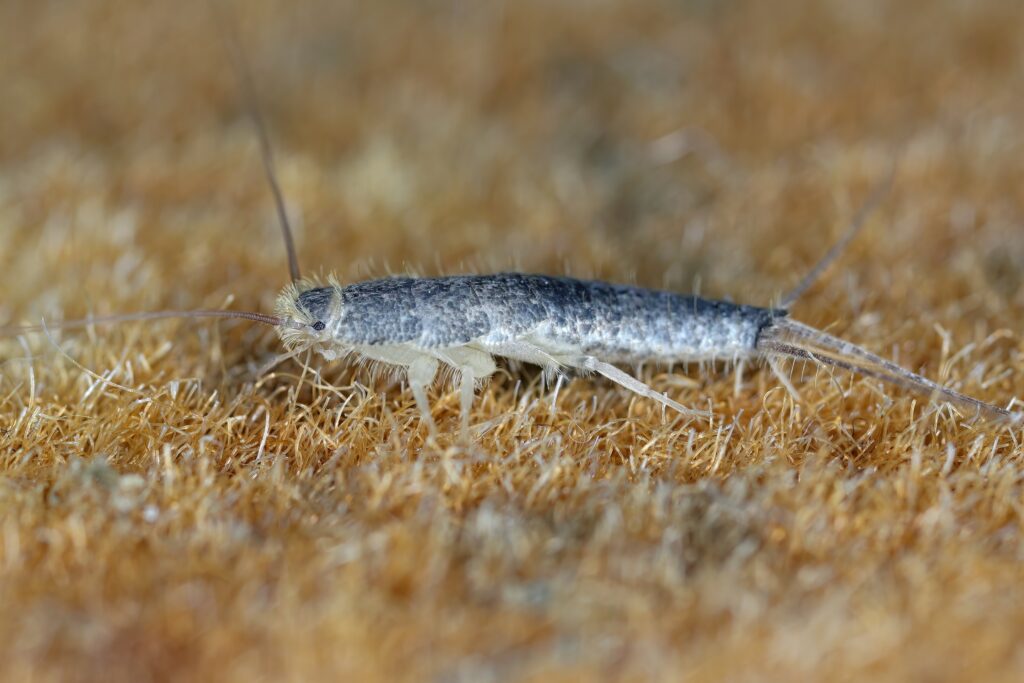
You open a bathroom cabinet or move a stack of boxes in the garage and notice a small silver insect dart across the surface before disappearing into a crack. Silverfish are fast, quiet pests that tend to hide in dark areas near moisture, paper products, and stored items. Once they settle into a home, they often stay hidden until activity starts increasing in bathrooms, laundry rooms, attics, or closets.
What attracts silverfish in Alpharetta homes usually comes down to excess moisture, cluttered storage spaces, and easy access to food sources like cardboard, glue, paper, or fabric. Small plumbing leaks, humid rooms, and packed storage areas can all create the conditions silverfish prefer. In this guide, Nextgen Pest Solutions explains why silverfish move indoors, where they commonly hide, and what homeowners can do to make the home less inviting to these pests.
Key Takeaways
- Silverfish are drawn to moisture and can turn up in areas of your Alpharetta home where dampness lingers, such as bathrooms and under sinks.
- These insects feed on starchy and paper-based items, so stored boxes, books, and flour products may attract them to pantries, cabinets, and storage spaces.
- Reducing moisture and properly storing food and paper products are the most important steps you can take to make your home less inviting to silverfish.
- Nextgen Pest Solutions covers silverfish under its ongoing Pest Prevention Service, which includes quarterly treatments and free retreatments for covered concerns.
How to Identify Silverfish in Your Alpharetta Home
Silverfish often go unnoticed in Alpharetta homes because they are small, fast, and prefer dark spaces. Knowing what draws them in and where to look can help you catch activity early. The two biggest attractants are moisture and starchy food sources, which together create ideal conditions for these pests.
How to Tell Silverfish Species Apart
Silverfish have chewing mouthparts and feed on a variety of products. According to Mississippi State University Extension, they are especially fond of starches or flour products, which is why they occasionally turn up in kitchen pantries and cabinets. They also feed on paper, particularly paper that contains starch or other organic material, chewing irregular holes in the process.
If you find small, uneven holes in stored paper goods, that feeding pattern can help distinguish silverfish damage from other pest activity. The damage tends to follow starchy coatings or adhesives on the paper surface.
How to Spot Silverfish Activity
Moisture is the primary driver. These insects are attracted to moisture and often occur in bathroom areas, under kitchen sinks, and in other moist locations. Look for them during nighttime hours in rooms with higher humidity, such as bathrooms or laundry areas.
In the kitchen, check pantries and cabinets where flour products and starchy goods are stored. Irregular holes chewed through paper packaging or labels can signal ongoing feeding activity nearby.
Where Silverfish Activity Shows Up
Inside the home, the most common activity zones include bathroom areas, spaces under kitchen sinks, and other locations where moisture collects. Storage areas with paper goods or cardboard can also attract feeding activity.
Pay attention to cabinets, closets, and any room where humidity tends to build. Silverfish gravitate toward these spots because they combine the moisture and food sources these pests rely on.
Exterior Entry Points Silverfish Use
Because silverfish seek out moist environments, they often enter homes through areas where moisture is present near the foundation or exterior walls. Gaps around plumbing lines leading to kitchens and bathrooms can serve as pathways, since these routes lead to the damp conditions silverfish prefer.
Nextgen Pest Solutions technicians, certified through University of Florida and University of Georgia pest control programs, assess your home and apply pinpoint product placement around the exterior, with interior treatment if a problem arises.
Why Silverfish Problems Develop in Alpharetta Homes
Silverfish thrive where moisture, food sources, and undisturbed hiding places overlap. Alpharetta homes can provide all three conditions, making it worth understanding what draws these pests indoors and how they move once they arrive.
Outdoor Nesting Areas for Silverfish
Silverfish favor damp, sheltered spots where biological debris collects. Areas around your home that hold moisture and accumulate leaf litter or other debris can support silverfish before they ever move inside. Because these insects can travel long distances while looking for food, outdoor populations may not stay in one place for long.
Food and Shelter That Attract Silverfish
Inside your home, silverfish can feed on household dust and debris, dead insects, and certain fungi. According to UC IPM, these are all important food sources for silverfish. That means even a clean home can offer enough to sustain them if moisture and hiding places are available.
Treatment products alone will not solve the problem unless you also remove the conditions that allow silverfish to thrive. Storing items that attract pantry pests in glass, metal, or heavy plastic containers with tight-fitting lids can help. Avoid keeping food items in plastic bags, paper bags, or cardboard boxes.
How Silverfish Move Around Alpharetta Homes
Silverfish can travel long distances while searching for food, which makes it difficult to pinpoint where an infestation started. You may notice them in one room while the main population is somewhere else entirely. A room-by-room search of the home may be necessary to identify and remove the food sources supporting them.
Trails and Entry Points Silverfish Use
Because silverfish range widely in search of food, they can show up in unexpected areas of your home. Gaps where moisture collects or where debris accumulates can serve as pathways. Removing those favorable conditions is a key part of any long-term approach, since products on their own may not be enough when the underlying attractions remain in place.
Risks From Silverfish in Alpharetta Homes
Understanding the risks silverfish pose helps you decide when to act. While these pests are mostly a nuisance, the conditions that attract them and the damage they cause can add up over time in Alpharetta homes.
Health Risks Linked to Silverfish in Alpharetta Homes
Silverfish are drawn to warm air, moisture, and food sources inside your home. According to the University of Tennessee Extension, odors from dead insects, a soured mop, or spilled materials can also draw pests indoors. These same conditions can make your home more attractive to a range of household pests over time.
When sealing cracks and entry points to keep silverfish out, it is important to maintain adequate ventilation in your home for health and safety reasons. Blocking every gap without considering airflow can create its own set of problems.
Property Damage From Silverfish in Alpharetta Homes
Heavy infestations sometimes occur in attics, basements, or other storage areas where cardboard boxes, books, or other paper items are kept. If you store documents, photos, or old books in these spaces, silverfish can damage them over time.
Because silverfish seek protection and shelter in dark cavities in walls or crawl spaces, they can go unnoticed for extended periods. By the time you spot them in living areas, a larger population may already be established in storage zones.
Food Areas and Silverfish Activity in Alpharetta Homes
Silverfish are attracted by food, light, and warm air. Kitchens and pantries that provide warmth and accessible starchy materials can support ongoing silverfish activity. Spilled materials left uncleaned add to the draw.
Large-scale infestations that develop in attics or basements can spread toward food preparation areas over time. Addressing the attractants early, such as moisture and accessible food, helps reduce the likelihood of a growing problem.
When to Look Closer at Silverfish Activity
If you notice silverfish in more than one room, or if you find them near stored paper products in your attic or basement, the infestation may be more widespread than it appears. A licensed pest control technician can assess the scope and advise you on the next steps.
Treatments are typically applied to wall bases and entry points rather than living area furniture. Targeting the areas where silverfish shelter and enter your home addresses the population where it is concentrated.
Professional Silverfish Control for Alpharetta Homes
Addressing silverfish in your Alpharetta home goes beyond a single treatment. A lasting approach combines reducing conditions that draw these pests in, inspection, and a structured service plan. Here is what that process looks like when you work with Nextgen Pest Solutions.
How to Reduce Attractants in Alpharetta Homes
Reducing the conditions silverfish prefer is a key first step. Because these pests seek out specific environments and food sources, removing what draws them in makes your home less hospitable. Your Nextgen technician can point out problem areas during a service visit and recommend practical adjustments you can make between treatments.
Keep in mind that product applications alone may not resolve an ongoing silverfish issue if the underlying attractants remain. A combined approach that pairs habitat changes with professional pest management tends to produce better long-term results.
Why Silverfish Control in Alpharetta Homes Starts With Inspection
Every Nextgen Pest Solutions service begins with an inspection performed by the technician at the time of service. The service is based on Assessment-Based Pest Management ideals that implement Integrated Pest Management techniques. This means your technician evaluates conditions in and around your home before deciding where and how to treat.
Under this system, Nextgen relies on specific baits and pinpoint placement of products rather than broad applications. This inspection-first approach helps the technician focus on the areas where silverfish activity is most likely, so treatments are placed where they matter.
What to Expect During Professional Silverfish Treatment in Alpharetta
Nextgen’s standard service is rendered around the exterior of the home. Technicians treat the interior only if a problem arises. When interior applications are needed, technicians apply limited low-level, odorless, non-repellent products at entry points and interior areas. In most cases, you don’t need to be at home for services to be rendered.
Some over-the-counter products marketed for silverfish contain active ingredients such as bifenthrin and zeta-cypermethrin. One example is Ortho Home Defense Insect Killer, a ready-to-use formula with bifenthrin (0.05%) and zeta-cypermethrin (0.0125%). Professional-grade programs like those from Nextgen use targeted placement strategies that go beyond what a single retail product can offer.
What to Expect From an Alpharetta Silverfish Control Plan
Nextgen’s Pest Prevention Service is a program that includes a guarantee for silverfish, along with roaches, spiders, and ants. The Nextgen Protection plan starts at $49.95 per month with a $149 initial service for qualifying homes. It includes interior and exterior treatment, quarterly pest control, and free retreatments for covered pests.
One-time pest control comes with an optional 30-day warranty. Prices start at the rates shown and are subject to change depending on property size. Your property must be inspected before qualifying for any plan.
Nextgen Pest approaches is veteran-owned and operated and Quality-Pro certified, using cutting-edge products in its pest management approach.
Bottom Line on What Attracts Silverfish in Alpharetta Homes
Silverfish gravitate toward moisture, starchy foods, and undisturbed storage areas. Addressing those three attractants is the foundation of any lasting silverfish management plan. Reducing humidity in key rooms, storing pantry items in sealed containers, and clearing out old paper goods can make your home less inviting to these pests. When conditions have already allowed silverfish to settle in, a professional inspection paired with targeted treatment gives you the best path forward. Nextgen Pest Solutions covers silverfish under our ongoing Pest Prevention Service, so reach out to schedule an assessment of your Alpharetta home.
Frequently Asked Questions
Why do silverfish keep coming back?
Silverfish return when the conditions that drew them in still exist. If moisture levels remain high in bathrooms, kitchens, or storage spaces, and starchy materials are left accessible, the environment continues to support them. Removing food sources and lowering humidity are both necessary steps alongside any treatment effort.
Are silverfish harmful to my belongings?
Silverfish have chewing mouthparts and can damage paper-based items over time. They are drawn to starches and may feed on stored paper products. In areas where large numbers build up, the potential for noticeable damage to books, documents, and similar materials increases.
What areas of the home should I check first?
Start with rooms where moisture tends to collect, such as bathrooms and the space under kitchen sinks. Then check storage areas where cardboard boxes, old papers, or flour products may be sitting undisturbed. These spots provide both the humidity and the food sources silverfish prefer.
Does Nextgen Pest Control cover silverfish?
Yes. Silverfish are included in the Nextgen Pest Prevention Service, which starts at $49.95 per month for qualifying homes. The ongoing plan includes free retreatments for covered concerns. Property must be inspected before qualifying for a plan, and pricing may vary depending on property size.