Skip to content
You walk into the garage, attic, or crawl space and notice dark droppings scattered near insulation, storage boxes, or pet food containers. Outside, you may find similar droppings along fences, patios, or near the garbage cans after hearing movement overnight. Possum droppings identification becomes important when you are trying to figure out which animal is visiting your Johns Creek property and whether it may be nesting nearby.
Possum droppings are often mistaken for raccoon, rat, or cat waste because they can be found in similar outdoor and sheltered areas around the home. The size, shape, texture, and location of the droppings usually provide the clearest clues about what animal left them behind. Correct identification also helps homeowners recognize when wildlife activity may be increasing around attics, crawl spaces, sheds, or garbage areas.
This guide explains how to identify possum droppings, where they are commonly found around Johns Creek homes, and what signs may point to a larger wildlife problem on the property.
Key Takeaways
- Possum droppings are usually dark, slightly curved, and larger than rat droppings, often appearing near crawl spaces, garages, sheds, or trash areas.
- Outdoor pet food, overflowing garbage cans, fallen fruit, and sheltered hiding spots can keep possums returning to the same parts of your property at night.
- Droppings that build up in attics, crawl spaces, or storage areas can create odors, unsanitary conditions, and cleanup concerns indoors.
- Repeated droppings around the home may point to an active wildlife entry point that should be professionally inspected.
How to Identify Possum Droppings
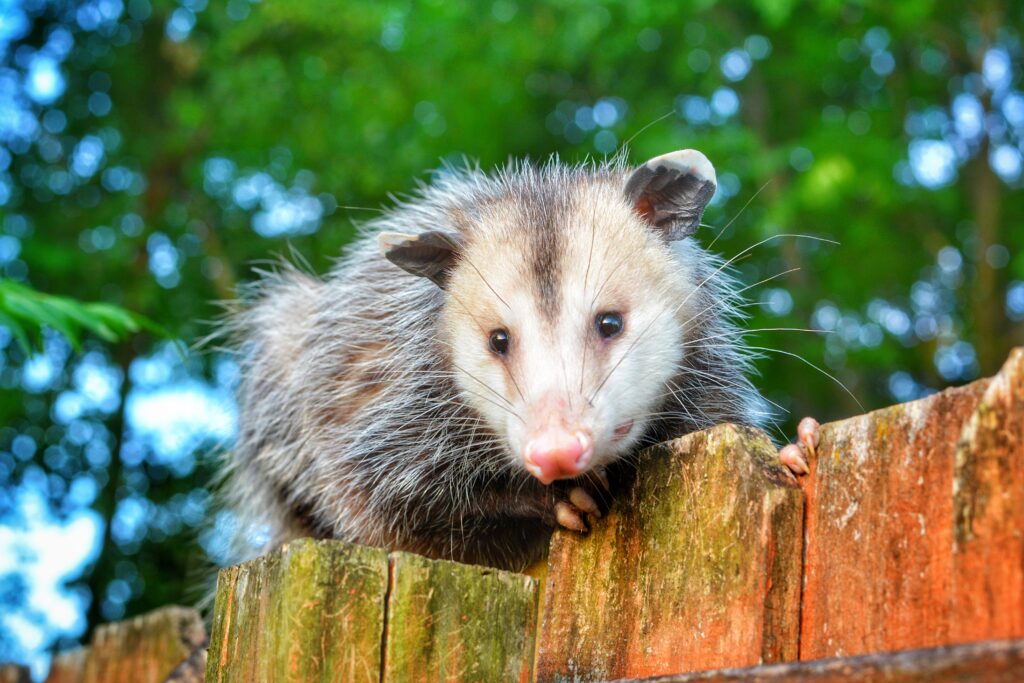
In the United States, most people use the word “possum” when talking about the Virginia opossum, the only marsupial found in North America. These nighttime animals often wander around while searching for food after dark. When a possum starts visiting the same part of a property regularly, droppings are often one of the first noticeable signs.
Knowing how to identify droppings and other pest signs around your home starts with understanding what you are actually looking at. A single marking on its own can be misleading, so focusing on a combination of traits gives you a more reliable picture of what may be visiting your property.
Size and Shape
Possum droppings are usually larger than rat droppings and often measure around one to two inches long with a slightly curved shape and pointed ends. Because possums eat a wide variety of foods, including insects, fruit, pet food, and garbage, the droppings may contain small bits of undigested material that give them a rough or uneven texture.
Color and Texture
Fresh possum droppings are typically dark brown or black and may look moist when first deposited. As they age, they become lighter in color, dry out, and begin to break apart more easily. In enclosed spaces like crawl spaces, attics, or garages, repeated droppings can also create a strong odor over time.
Location of Droppings
Possums usually leave droppings in sheltered areas where they travel or search for food overnight, including near trash bins, under decks, beside sheds, around crawl space openings, and inside garages or attics. Outdoors, you may also find droppings along fences, foundation edges, and other quiet travel routes that possums use while moving around the property.
Unlike some wildlife species that repeatedly use one spot, possums may leave droppings in several areas as they move around the property.
Why Possum Droppings Appear Around Homes
Possum droppings usually appear when the property provides easy access to food, water, and sheltered hiding areas. Around homes, possums are most active at night and often move through garbage areas, crawl spaces, sheds, decks, and dense landscaping while searching for food. Once they begin returning to the same area regularly, droppings become more noticeable near those activity zones.
Food Sources Around the Property
Virginia opossums are opportunistic feeders that eat a wide range of foods depending on the season, including insects, worms, small animals, fruit, seeds, and plant material. Overflowing garbage cans, unsecured compost bins, bird seed, outdoor pet bowls, and fruit that falls from trees can all encourage repeated wildlife activity near the home. Because possums eat insects like cockroaches, crickets, beetles, slugs, and snails, yards with excess moisture and outdoor pest activity may also attract them.
Droppings often appear near garbage areas, patios, garages, sheds, and outdoor walkways where possums stop to feed during the night. If food sources remain available, the animals may continue following the same routes around the property night after night.
Sheltered Areas That Attract Possums
Possums look for dry, sheltered, and protected spaces where they can rest during the day before becoming active at night. Crawl spaces, decks, sheds, wood piles, dense shrubs, and cluttered storage areas can all provide cover close to the home. These sheltered spaces become even more attractive when food and water are nearby.
Repeated droppings near the same part of the property may suggest that a possum is using the area regularly for shelter or traveling through it while searching for food.
Entry Points Possums Use
Possums may enter homes through openings that lead into quiet, protected spaces with little human activity. Damaged crawl space vents, gaps beneath decks, loose siding, garage openings, and broken attic screens can all give them access indoors.
Once inside, possums may leave droppings near insulation, stored boxes, attic corners, or crawl spaces where they can hide during the day. Repeated droppings in these areas often point to an active entry point that should be inspected and sealed to help prevent continued wildlife activity indoors.
Risks From Possum Droppings
Possum droppings can become a concern when they build up in areas where people store belongings, prepare food, or spend time indoors. While homeowners sometimes mistake the waste for rodent or stray animal droppings, accurate identification helps determine what type of wildlife activity is happening around the property and whether the animal may still be nearby. The location, amount, and condition of the droppings often provide important clues about how long the activity has been occurring.
Health Risks Linked to Possum Droppings
Fresh possum droppings can carry bacteria and other contaminants that homeowners should avoid handling directly. The risk increases when droppings collect in enclosed spaces like attics, crawl spaces, garages, or storage rooms where airflow is limited, and cleanup is delayed. Sweeping or disturbing dried droppings may also spread dust particles into the air, which can irritate people with respiratory sensitivities.
Areas with repeated wildlife activity may contain more than just droppings. Urine, nesting materials, and food waste left behind by possums can create unsanitary conditions over time, especially if the animal continues returning to the same location.
Property Concerns Related to Possum Droppings
Possum droppings can stain insulation, flooring, stored items, and other materials when activity continues over time. In crawl spaces and attics, repeated waste buildup may also create strong odors that spread into nearby living areas. The longer the activity goes unnoticed, the more difficult cleanup can become.
Droppings found alongside disturbed insulation, overturned storage boxes, or damaged vents may also point to an active wildlife entry point somewhere around the home.
Possum Droppings Near Food and Storage Areas
Droppings found near garbage bins, outdoor pet food, pantries, garages, or storage shelves deserve closer attention because they may indicate that possums are regularly scavenging near food sources. Outdoors, possums often search through trash, fallen fruit, compost piles, and feeding areas during the night before retreating to sheltered hiding spots during the day.
If droppings continue appearing near the same food-related areas, the property may be providing easy nighttime access to food and water that keeps attracting wildlife back.
When to Call a Professional for Possum Droppings
Identifying possum droppings matters because what you find around your property may not always be what you expect. Droppings from different wildlife and pests can look similar in color and shape, so a careful approach helps you figure out what you are actually dealing with before deciding on the next steps.
Why a Professional Inspection Helps
Droppings alone do not always tell the full story. Color can be misleading because many pest droppings share a dark brown appearance. A trained eye looks at shape, placement, and surrounding evidence to narrow down the source.
Inspection also helps rule out look-alikes. Dark brown coloration appears across a wide range of pest evidence, from insect frass to rodent pellets, so context clues around the droppings guide proper identification. A walkthrough of attics, crawl spaces, and exterior entry points provides the clearest picture.
Nextgen Pest Solutions technicians are certified through university pest control programs, giving them the training to distinguish possum droppings from other wildlife or pest evidence found on your property.
What to Expect During Professional Possum Removal
A service professional begins by documenting what was found, where it was found, and in what quantity. This documentation helps confirm whether the droppings belong to possums or another animal altogether. Once the source is identified, your technician evaluates how the animal may be accessing your property.
Nextgen Pest Solutions uses cutting-edge products. Cleanup recommendations typically follow the inspection. Removing droppings and sanitizing affected areas reduces lingering odors that can attract additional wildlife back to the same spots.
What a Possum Control Plan Includes
A possum control plan pairs identification findings with practical steps tailored to your property. Your technician outlines where droppings were concentrated, what entry points were found, and which sanitation changes can help keep possums from returning.
Ongoing monitoring may be part of the plan. Checking previously active areas confirms whether the steps taken are keeping wildlife activity low.
Nextgen Pest Solutions provides detailed wildlife inspections and targeted exclusion solutions designed to help prevent possums from returning to Johns Creek properties.
Identifying Possum Droppings: Bottom Line
Identifying possum droppings correctly can help you determine whether wildlife is actively moving around your property and where the activity may be coming from. The size, shape, texture, and location of the droppings all provide important clues, especially when combined with signs like disturbed trash, sheltered hiding areas, or nighttime wildlife activity near the home. Because possum droppings are often mistaken for waste left by other animals, professional identification can help you avoid overlooking a larger wildlife issue.
If you continue finding droppings around your Johns Creek property, Nextgen Pest Solutions can inspect the area, identify the source of the activity, and provide targeted wildlife removal and exclusion solutions designed to help keep possums from returning.
Frequently Asked Questions
How can I tell possum droppings apart from other animal waste?
Focus on overall shape, size, and placement. Possum droppings tend to vary in appearance depending on the animal’s diet, which can make them tricky to distinguish at a glance. Noting exactly where you found them and whether other signs of activity are nearby can help narrow down the source.
Where are droppings most likely to appear?
Possum droppings are commonly found near trash bins, crawl space openings, garages, sheds, decks, and other sheltered areas where possums search for food at night. You may also notice droppings along fences, foundation edges, or travel paths around the property. Check these areas each week to catch wildlife activity early.
Should I clean up droppings myself?
Handling any wildlife waste carries some risk of exposure to germs. If you choose to clean droppings yourself, wear gloves and dispose of the waste in a sealed bag. For large or recurring deposits, a professional can handle removal and assess whether the animal is still active on your property.
What should I do after finding droppings?
After identifying droppings, look for additional signs of wildlife activity in the same area. Keeping the area clean and removing food sources that may attract animals are practical first steps. A wildlife professional can help determine the species involved and recommend appropriate next steps for your situation.