
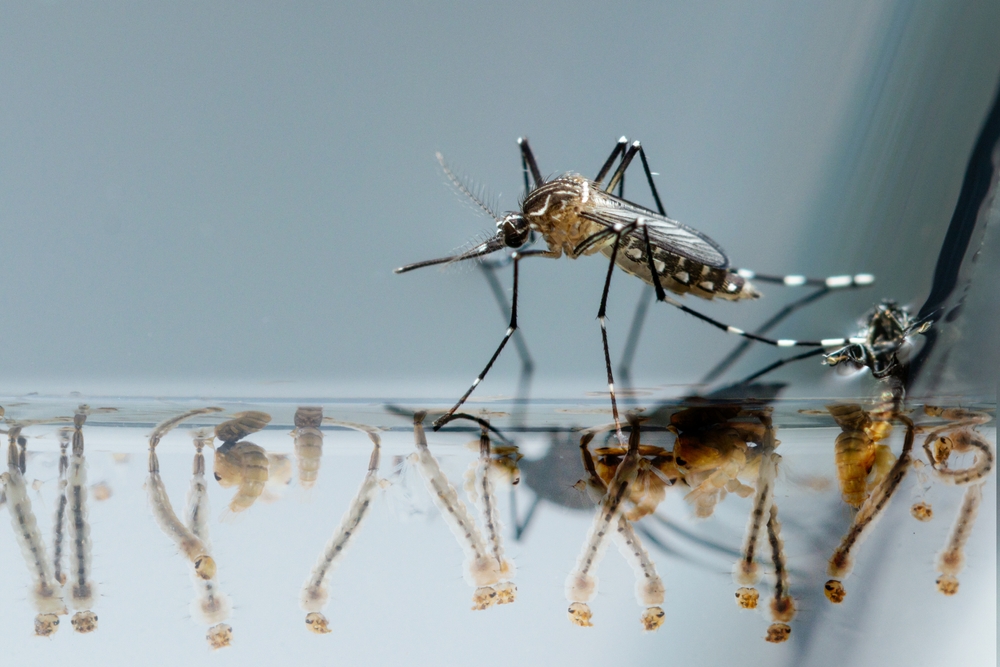
You step into your backyard after a summer rain and notice water sitting in flower pots, clogged gutters, or a child’s toy near the fence. It does not take much for mosquitoes to start breeding. Mosquito breeding sites around homes are often hidden in everyday areas homeowners overlook until biting activity becomes hard to ignore.
Finding and removing these problem areas early can help reduce mosquito activity around your property. This guide covers the most common breeding spots around Atlanta homes, why mosquitoes keep returning, and what you can do to make your yard less inviting.
Key Takeaways
- Standing water in gutters, flower pots, birdbaths, toys, and low spots in the yard can quickly turn into mosquito breeding sites around homes.
- Mosquitoes often keep coming back when hidden water sources around your property are missed after rain or regular yard watering.
- Checking your yard often and removing water buildup can help reduce mosquito activity before it spreads around outdoor living spaces.
- Professional mosquito services can treat shaded resting areas and water sources that cannot easily be emptied or cleaned.
How to Identify Mosquito Breeding Sites Around Homes
Mosquitoes need standing water to develop, so finding the source starts with a careful walk around your property. Breeding areas often form in small places homeowners overlook, especially after rain or regular lawn watering.
Common Standing Water Areas Homeowners Miss
Not all standing water poses the same risk. Common breeding places include flood waters, woodland pools, and slowly moving streams and ditches, particularly when those moving waters are polluted with biological waste.
Around your home, this means any collected water. A bucket full of rainwater is easy to spot, but many breeding areas are much smaller. Water can sit inside a folded patio cover, along the rim of a trash can lid, or in the dip of a tarp beside the garage. These spots may look harmless, but they can hold water long enough for mosquitoes to develop.
Check gutters after rain, especially if leaves or pine straw collect along the roofline. Look under decks, near downspouts, around air conditioning drainage lines, and behind storage sheds. In Atlanta backyards, containers near patios, fences, and garden beds often become hidden problem areas because they are out of daily view.
Signs There Are Mosquito Breeding Sites Around Your Home
You may notice mosquitoes near doors, garages, shaded walkways, or outdoor seating areas before you find the source. That activity often means that standing water is close by. Mosquitoes usually stay near the area where they hatch, especially when shade, moisture, and people are all nearby. Pay attention to where bites happen most often. If activity is worse near one side of the yard, inspect that area first.
Mosquitoes that appear indoors have usually entered from outside. If you notice adult mosquitoes inside, it often means a breeding source is nearby. Most mosquitoes travel less than 300 feet from where they breed, so indoor sightings are a strong signal that an outdoor survey of standing water sources is overdue.
Where Mosquitoes Stay Around Homes
Adult mosquitoes that develop in nearby water sources migrate toward homes, resting in foliage, along soffits, and around entryways. When these areas sit close to standing water, mosquitoes have both a breeding source and a resting place nearby.
Purdue University Extension notes that it may be necessary to address adults that move in from surrounding areas in addition to removing breeding sites on your own property. Trim vegetation around patios, entryways, and walkways to improve airflow and reduce shelter. Keep grass cut near fences and property edges. This makes the yard less inviting and helps you notice water-holding items that were hidden by overgrowth.
Why Mosquito Breeding Sites Around Homes Keep Returning
Mosquito problems often return when hidden water sources refill after rain or stay unnoticed around the property. Removing one container may help for a few days, but activity usually continues if another breeding area remains nearby.
Everyday Yard Items That Hold Water
Many common outdoor items can collect water without drawing attention, especially after periods of rain. Pet bowls, plant saucers, children’s toys, watering cans, grill covers, and pool covers can all trap small amounts of water after storms or regular lawn watering. Heavy rains also saturate the ground and create standing water that serves as breeding habitat, with mosquitoes emerging in waves based on the type of environment nearby. That means even temporary puddles or overlooked containers around your yard can support new mosquito activity.
Walk the yard with a trash bag or bucket and remove items that do not belong outside. Turn over containers, store toys under cover, and empty birdbaths often. Small changes like these break the cycle before activity builds around outdoor living areas.
Drainage and Watering Problems Around the Property
Poor drainage can create repeat mosquito problems even when the yard looks clean. Low areas near patios, fence lines, and garden borders may hold water after storms. Sprinklers that run too long can also leave soggy soil under shrubs or beside walkways.
Watch how water moves after irrigation or rainfall. If puddles stay in the same places, adjust watering schedules, clear blocked drains, or improve grading where needed. A yard that drains well gives mosquitoes fewer places to develop.
How Nearby Vegetation Supports Mosquito Activity
Overgrown vegetation can make mosquito problems feel constant because it gives adults a place to rest between feedings. Dense hedges near a deck, tall weeds behind a shed, or thick vines along a fence can hold shade and moisture through much of the day.
Cut back plants that touch the house or crowd outdoor seating areas. Clear weeds along fences and trim shrubs so air can move through them. These steps do not remove every mosquito, but they reduce the shelter that helps them stay close to your home.
Risks From Mosquito Breeding Sites Around Homes
Mosquito breeding sites around your home are more than a nuisance. Standing water in everyday containers and low-lying areas can support mosquito populations that carry diseases and create ongoing problems for your household. Understanding the risks these breeding sites pose helps you decide when and how to act.
Health Risks Linked to Mosquito Activity
Some mosquitoes can spread illnesses, including West Nile virus and Zika virus. The risk depends on the type of mosquito, local conditions, and nearby breeding sources, but standing water around homes gives them more chances to develop.
Homeowners should treat ongoing activity as a reason to inspect the property, not as something to ignore. Removing standing water, maintaining the yard, and reducing resting areas are practical steps that support safer outdoor spaces.
When to Look Closer at Mosquito Breeding Sites
A few mosquitoes after rain can happen, but repeated activity in the same area deserves attention. If you keep noticing them near one doorway, patio corner, or shaded walkway, there is often standing water nearby supporting new activity.
Inspect your property after storms, irrigation, or yard work that moves containers around. Look for water that remains for more than a day or two in gutters, low spots, toys, or outdoor containers.
Regular property inspections after rain are recommended to find and remove standing water sources before mosquitoes can develop. According to Texas A&M AgriLife Extension, some mosquitoes like the Culex typically emerge as conditions dry, so even temporary water buildup can become a problem. Keep track of repeat trouble spots so you can inspect them quickly when activity increases again.
Professional Pest Control for Mosquito Breeding Sites Around Homes
The most practical way to control mosquitoes around your home is to stop them from breeding in the first place. Start with finding the conditions that support activity. Then, treat the areas where adult mosquites are. This approach woks best when paired with regular water removal and yard maintenance.
What a Professional Mosquito Inspection Includes
A Nextgen Pest Solutions technician inspects the property for common water sources such as gutters, buckets, tarps, birdbaths, drainage areas, and containers around the yard. The goal is to find the places mosquitoes are using, not just treat the areas where people notice bites.
The technician also checks shaded resting zones. Shrubs, soffits, entryways, fence lines, and thick foliage can all hold adult mosquitoes during the day. Identifying these areas helps create a more focused service plan.
How Targeted Mosquito Treatments Work
After the inspection, the technician treats key resting areas around the property with a backpack mist blower. This includes foliage, shaded spaces, entryways, and other protected areas where mosquitoes hide between feedings.
Water sources that cannot be emptied may also be addressed with products designed to stop immature mosquitoes from becoming biting adults. This helps reduce activity at the source while treating the adult population already present in the yard.
Why Ongoing Mosquito Service Helps Reduce Activity
Mosquito pressure can return after rain, irrigation, or changes in yard conditions. Monthly service helps catch new problem areas before they build into a larger issue.
Nextgen Pest Solutions offers mosquito control service with follow-up support if activity returns between scheduled visits. Regular inspections, water reduction, and targeted treatments give Atlanta homeowners a practical way to manage mosquito problems around outdoor spaces.
Mosquito Breeding Sites Around Homes: Bottom Line
Reducing mosquito activity around your Atlanta property starts with removing the water sources they rely on to breed. Gutters, flower pots, birdbaths, toys, pool covers, and low spots in the yard can all hold enough water to support mosquito activity. Checking these areas often, especially after rain, helps stop problems before they spread around patios, walkways, and outdoor seating areas.
Some properties need more than routine cleanup, especially yards with drainage issues, dense landscaping, or shaded areas that stay damp. Nextgen Pest Solutions provides monthly mosquito treatments that target resting areas around the yard and water sources that support mosquito development. We offer monthly mosquito treatments with a re-service guarantee, so contact us to schedule an inspection and get started.
Frequently Asked Questions
How often should I check my yard for standing water?
Inspecting your property after each rain is a good habit. Mosquitoes can develop in small amounts of collected water, so checking items like buckets, tarps, gutters, and birdbaths on a regular basis helps you catch potential breeding spots before populations build.
Can I handle mosquito control on my own?
Homeowners can reduce mosquito numbers by removing standing water and using over-the-counter larval control products or adult sprays. However, commercial products may last only about 24 hours, and results can be limited when mosquitoes migrate in from nearby areas.
What does a professional mosquito treatment include?
Nextgen technicians inspect the property for standing water, apply larvicide where water cannot be emptied, then use a backpack mist blower to treat foliage, soffits, entryways, and shaded resting areas. Each visit takes approximately thirty minutes, though yard size can affect timing.
Will treatments still work after it rains?
Yes. Treatments are applied to foliage, shaded areas, and resting zones where they bond to surfaces and hold up after normal rainfall. Larger properties where more area can be treated tend to see better outcomes than smaller ones.