
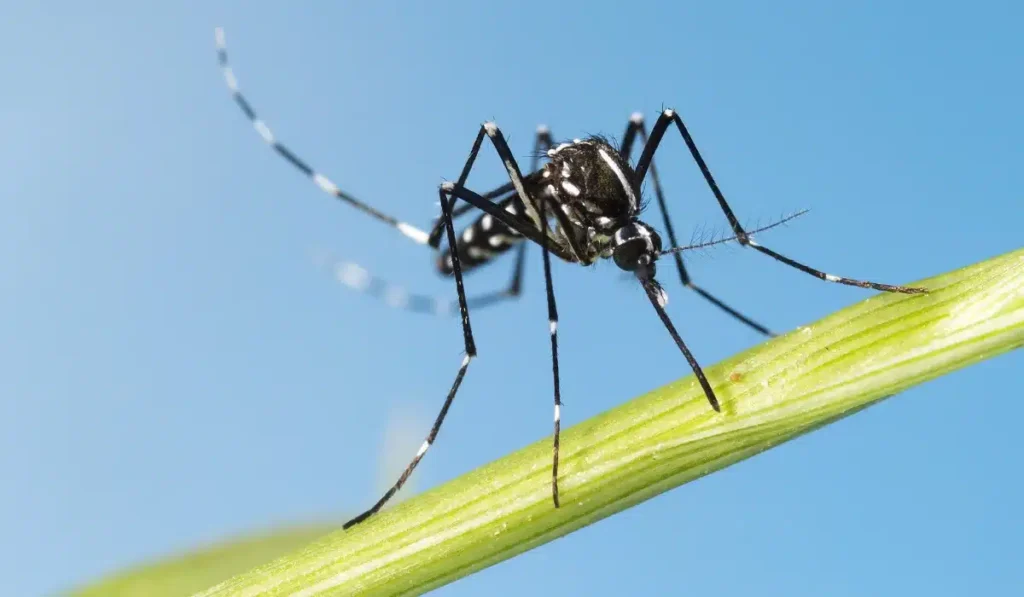
Learn how to tell Asian tiger mosquitoes from common mosquitoes. Know the signs, risks, and when to call Nextgen Pest Solutions to avoid costly problems.
Key Takeaways
- Asian tiger mosquitoes have distinctive black-and-white markings that set them apart from many other mosquito species you may encounter around your yard.
- Unlike several common mosquitoes that feed mainly at dawn and dusk, the Asian tiger mosquito can bite during daylight hours, which changes how you plan outdoor time.
- Both Asian tiger mosquitoes and other species breed in standing water near your home, so reducing those sources is a key part of any control effort.
- Professional mosquito treatments, including larvicide and residual barrier applications, can help lower mosquito activity across your property between service visits.
How to Identify Asian Tiger Mosquitoes vs. Common Mosquitoes
Without lab equipment or training, confirming which mosquito species you are dealing with can be difficult. Many species look similar at a glance. If you notice mosquitoes that seem unusually persistent despite ongoing yard maintenance, the species involved may be harder to manage than typical varieties. A trained service professional can help narrow down what you are seeing.
Telling Asian tiger mosquitoes apart from other mosquito species matters because the approach to managing them can differ. According to UF/IFAS Extension, adult Asian tiger mosquito population management is more complicated than for other species due to tolerance to certain control products. That distinction makes accurate identification a practical first step for any homeowner dealing with mosquito activity.
How to Spot Mosquito Activity Inside Your Home
Mosquitoes may find their way indoors through open doors, windows, or gaps around entryways. You might notice biting activity during the day or evening, depending on the species present. Because most mosquitoes can only travel near their breeding site, indoor sightings often point to sources close to the home.
Where Mosquito Activity Shows Up Around Homes
Mosquitoes tend to rest in shaded areas and foliage around the yard. Standing water in birdbaths, gutters, buckets, and tarps can serve as breeding sites. During a property inspection, a Nextgen Pest Solutions technician walks the yard to identify and address these standing water sources.
Exterior Entry Points Mosquitoes Use
Mosquitoes of all species can enter through gaps around soffits, entryways, and doors. Nextgen treatments target foliage, as well as soffits, entryways, and shaded resting areas where adult mosquitoes gather. Addressing these zones helps reduce the number of mosquitoes that may work their way inside.
Because Asian tiger mosquitoes can be more complicated to manage than other species, accurate identification and consistent treatment matter. Nextgen Pest Solutions offers monthly mosquito service, with twice-monthly visits available for high-traffic properties, and backs every treatment with a re-service guarantee.
Why Asian Tiger Mosquito and Common Mosquito Problems Develop
The United States is home to about 200 different species of mosquitoes, each inhabiting specific environments and displaying distinct behaviors. All of them share the same four-stage life cycle: egg, larva, pupa, and adult. Understanding why these mosquitoes show up around your property starts with recognizing how their habits overlap and where they differ.
Outdoor Nesting Areas
Asian tiger mosquitoes have a life cycle closely associated with human habitat. They breed in containers with standing water, often tires or other items around your yard. Many common mosquito species also depend on standing water but may use a wider range of sources. Even small water-holding objects on your property can support a local population.
Food and Shelter That Attract Mosquitoes
Adult mosquitoes of both types feed on nectar and other plant juices as their source of energy. Females of most mosquito species require a blood meal to nourish and develop their eggs. Yards with dense foliage and shaded areas give adults places to shelter between feedings, making landscaped properties especially appealing to both groups.
How Asian Tiger Mosquitoes and Common Mosquitoes Move Around Homes
One key behavioral difference is feeding time. According to UF/IFAS Extension, the Asian tiger mosquito is a day biter with feeding peaks early morning and late afternoon. Meanwhile, many common species are most active during crepuscular periods at dawn and dusk. This means your yard can face mosquito pressure across a wider window of the day when both types are present.
Adult female mosquitoes locate hosts by sensing carbon dioxide from breath and skin, host odor, temperature, color, and movement. These cues draw both groups toward porches, patios, and entryways where people spend time outdoors.
Trails and Entry Points Mosquitoes Use
The Asian tiger mosquito was first documented in the United States in Texas in 1985 and has since spread rapidly throughout the eastern states. Development time from egg to adult can take as little as seven days, depending on water temperature and species, so new generations can build up quickly in overlooked containers.
Risks From Asian Tiger Mosquitoes vs. Common Mosquitoes
Both Asian tiger mosquitoes and common mosquitoes can carry diseases, but the two groups differ in how they interact with people and which diseases concern public health agencies most. Understanding those differences helps you decide how seriously to treat activity around your yard.
Health Risks Linked to Mosquitoes
According to the EPA, both Asian tiger and yellow fever (Aedes aegypti) mosquitoes can transmit dengue, Zika, and other viral diseases. Aedes aegypti is considered the most competent vector of the dengue virus, while the Asian tiger mosquito is considered a maintenance vector occasionally involved with dengue transmission. Dengue virus has been isolated from field collections of Aedes albopictus after an epidemic.
Only female mosquitoes bite and consume blood. That single biological fact means every female mosquito on your property carries some potential to transmit diseases if the local population harbors a pathogen.
Public health agencies have monitored the Asian tiger mosquito since surveillance began in 1986, according to UF/IFAS Extension. That ongoing attention reflects the role this species plays in disease transmission cycles.
Property Damage From Mosquitoes
Mosquitoes do not cause structural or cosmetic damage to your home. The real cost is the standing water conditions that support them. Tires, flower pots, buckets, rain barrels, and clogged gutters all collect water where larvae develop before adults become airborne.
Letting these water sources persist invites ongoing breeding. Removing them or changing the water frequently in pet dishes, overflow dishes for potted plants, and birdbaths reduces the habitat mosquitoes depend on.
Food Areas and Mosquito Activity
Outdoor dining areas, patios, and cookout setups put you closer to mosquito habitat during the hours you spend outside. Gathering spots with food and people can draw biting activity from females seeking blood meals.
Keeping those areas free of standing water, as UF/IFAS Extension recommends, limits nearby breeding. Even small containers like bottle caps or plant saucers can hold enough water to support larvae.
When to Look Closer at Mosquito Activity
If you notice persistent biting despite clearing standing water, the breeding source may be on an adjacent property or in a hard-to-spot container. Adults can move from nearby areas into your yard.
Using personal protection can help reduce bites. A professional property inspection can uncover overlooked water sources and help you understand which mosquito species may be active around your home.
Professional Pest Control for Asian Tiger Mosquitoes vs. Common Mosquitoes
Because Asian tiger mosquitoes and common mosquitoes choose different breeding sites, a one-size-fits-all approach rarely covers both. Aedes mosquitoes, including the Asian tiger mosquito, breed in small water-holding containers and prefer clearer water. Other species may favor temporary pools, clogged ditches, or marshy areas. Understanding which species are present shapes where a technician looks and what treatment steps follow.
How to Reduce Attractants for Mosquitoes
Reducing standing water is the single most important step you can take. According to Texas A&M AgriLife Extension, Aedes mosquitoes can develop from egg to biting adult within days in any water-holding container. Empty or overturn items like buckets, old tires, and trash cans at least once a week.
Flower pots and plant containers deserve special attention. Check the water in them weekly, and if you spot mosquito larvae, change the water right away. Loosening the soil in potted plants helps water drain through instead of forming a stagnant pool on the surface.
Permanent bodies of water like ponds and streams often contain natural predators that help keep mosquito larvae in check. The more problematic sites tend to be temporary pools, clogged ditches, and other spots where water collects without those natural controls.
Why Mosquito Control Starts With Inspection
As Purdue Extension notes, any site that accumulates standing water should be inspected for possible mosquito breeding. Sites found to be actively producing mosquitoes are flagged for follow-up control. If disease-transmitting species are suspected, larvae may be submitted to specialists for identification.
At Nextgen Pest Solutions, the inspection involves walking your entire property to identify and remove standing water sources. Because breeding sites are almost always close to where you are getting bitten, a thorough walkthrough often reveals the problem.
What to Expect During Professional Mosquito Treatment
After the inspection, a Nextgen Pest Solutions technician applies larvicide to water sources that cannot be emptied. This prevents larvae from maturing into biting adults. Next, a backpack mist blower treats foliage from roughly six inches up to twenty feet high, including soffits, entryways, and shaded resting spots where adults hide.
Treatments create a protective barrier on treated surfaces, helping control mosquito populations between visits. Each treatment takes approximately thirty minutes, though larger yards may require more time. The product bonds to surfaces and holds up after normal rainfall.
What to Expect From a Mosquito Control Plan
Most residential accounts are treated monthly, though high-traffic properties may need service twice a month. If a follow-up visit is needed, Nextgen Pest Solutions may apply a longer-lasting residual product.
Nextgen backs the service with a re-service guarantee. If mosquitoes return between scheduled visits, the team will retreat to your property. Year-round exterior coverage is available as a mosquito add-on at $39.95 per month on a 12-month service plan.
Asian Tiger Mosquitoes vs. Common Mosquitoes: Bottom Line
Asian tiger mosquitoes and common mosquitoes share the same four-stage life cycle and the same basic need for standing water, yet they differ in appearance, biting habits, and the diseases they may carry. Knowing which type is active on your property helps you time your outdoor plans and focus on the right breeding sources. Reducing harborage and standing water remains the single most important step any homeowner can take.
If mosquitoes are persistent despite your efforts, contact Nextgen Pest Solutions for a property walkthrough and a tailored treatment plan.
Frequently Asked Questions
Do Asian Tiger Mosquitoes Bite at Different Times Than Other Mosquitoes?
Yes. Asian tiger mosquitoes are active during the day, with feeding peaks in the early morning and late afternoon. Many other common species are most active around dawn and dusk, so you may encounter bites at unexpected times when both types are present.
Why Are Mosquitoes Still Around After I Remove Standing Water?
Mosquitoes can breed in surprisingly small amounts of water, including gutters, tarps, buckets, and birdbaths. Even a single overlooked water source nearby can keep populations active around your yard.
How Often Should a Yard Be Treated for Mosquitoes?
Most residential properties benefit from monthly treatments. High-traffic yards may need service twice a month.
Will Rain Wash Away Mosquito Treatments?
Treatments applied to foliage and other harborage zones are designed to withstand normal rainfall. Results can range from 50 to 100 percent reduction depending on the size of the treated area and nearby breeding sites. Larger properties generally see stronger results.